
Nobles Mill, Deep Run, NC
Memory, Community, and the Millpond
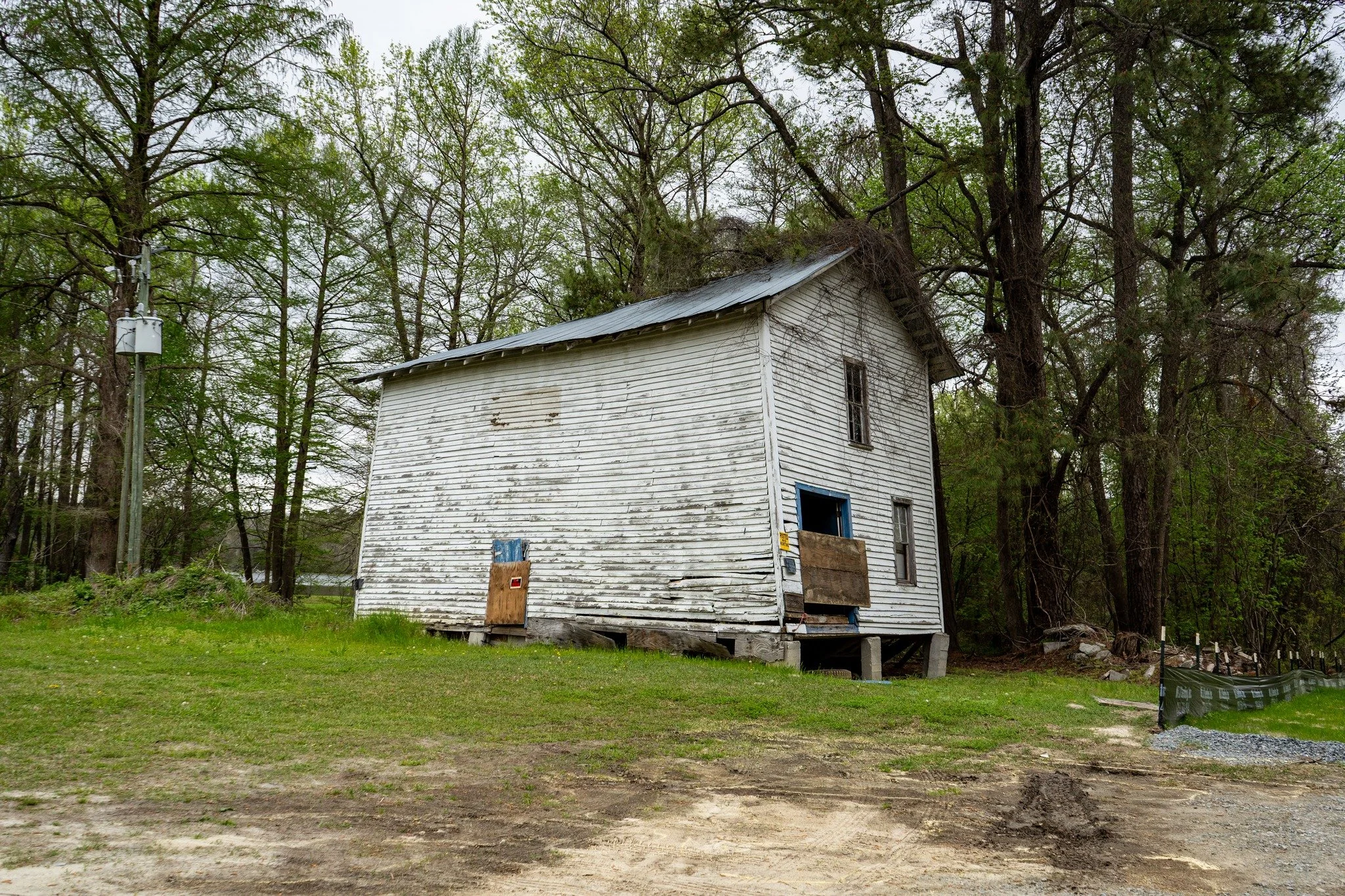
In rural Deep Run, Nobles Mill has long been more than a working mill—it is a place shaped by generations of family life, community gathering, and layered history. Much of whatI have learned about the mill comes from memories shared by Lisa Noble Rowell, whose family owned the property for more than two centuries.
Nobles Mill was passed down through Lisa’s family beginning in the late 1700s, operating under an early charter and believed to be one of the first businesses in Lenoir County, originally serving as a rice mill. The property remained in the family until around 2000.
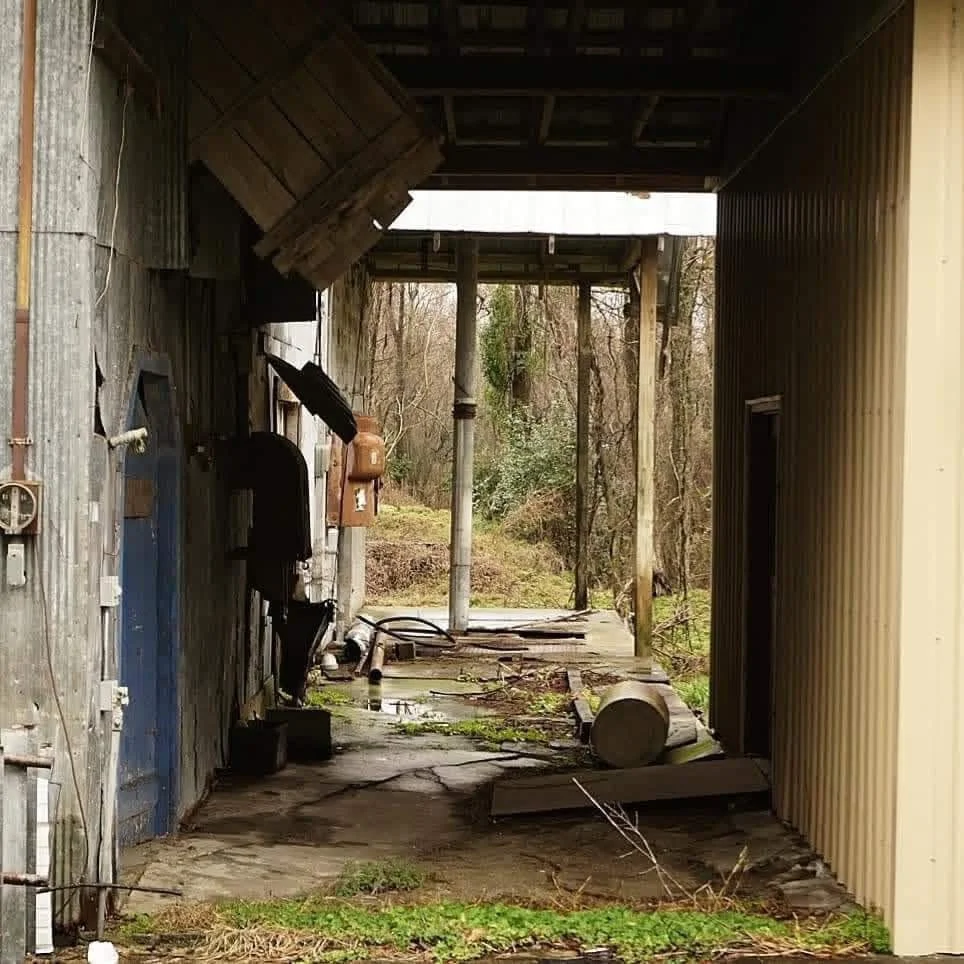
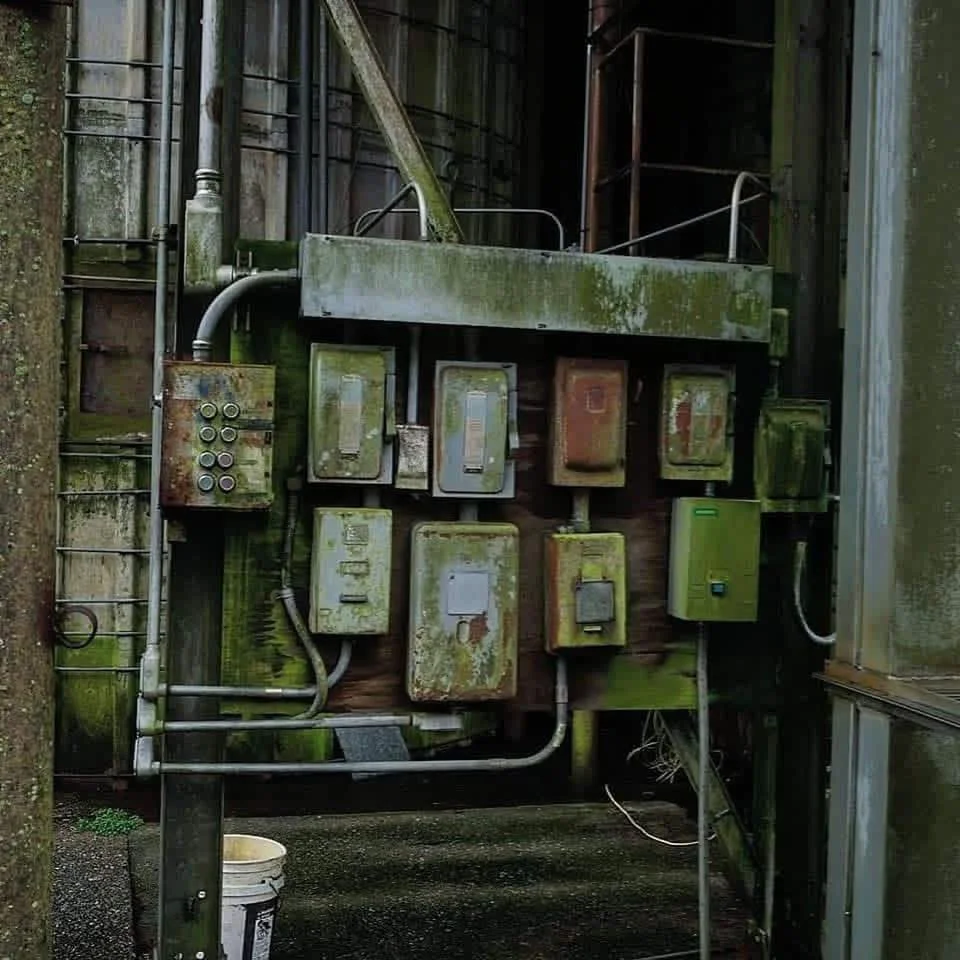
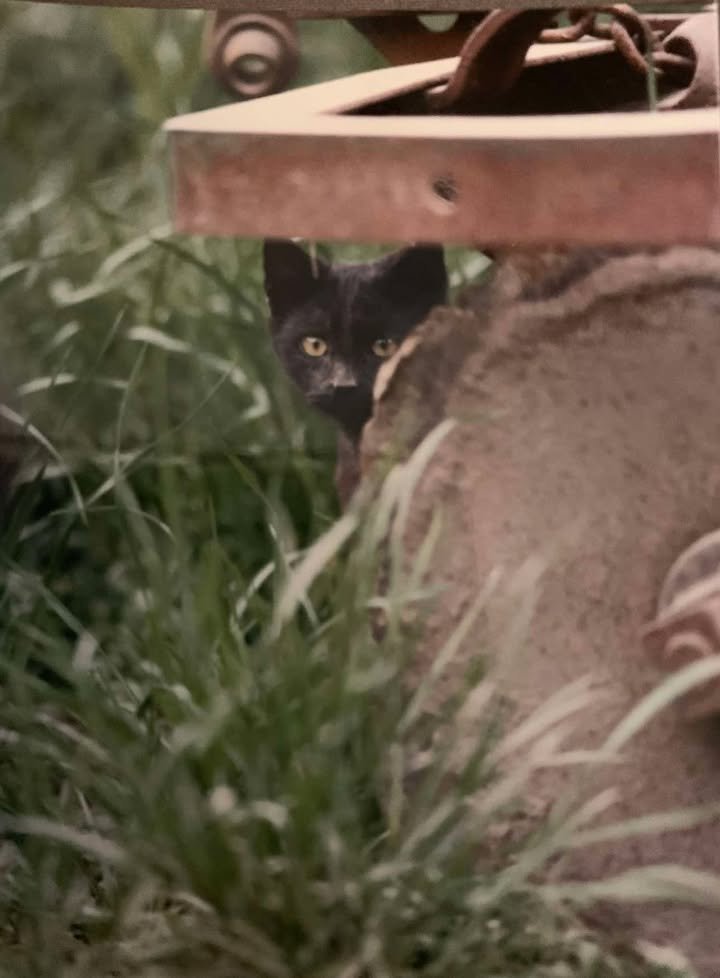
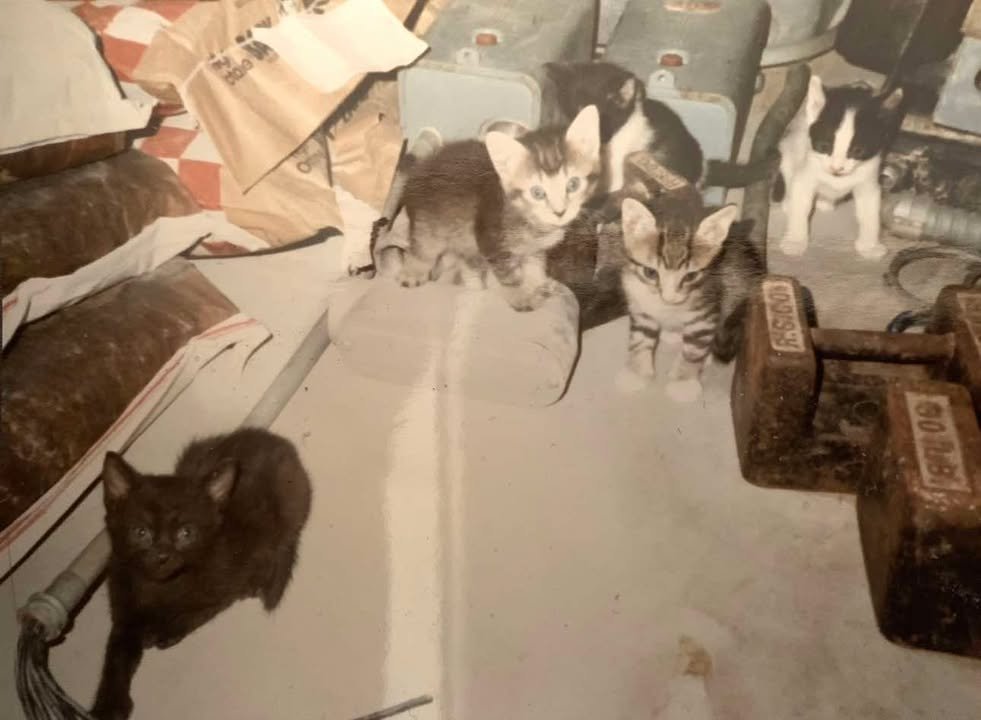
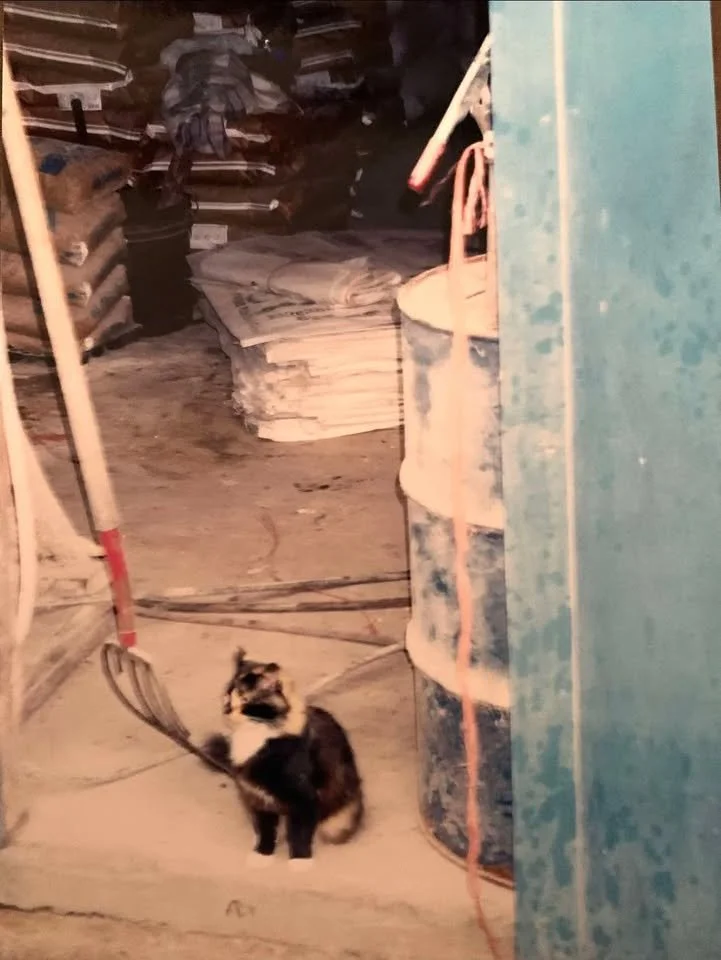
For Lisa, growing up at the mill was filled with everyday moments that brought the place to life. One of her fondest memories was the cat colony that lived on the property. Though many of the cats were feral, they were cared for by her father and uncle. Many people from the community would often drop cats off at the mill knowing they would be fed and cared for.
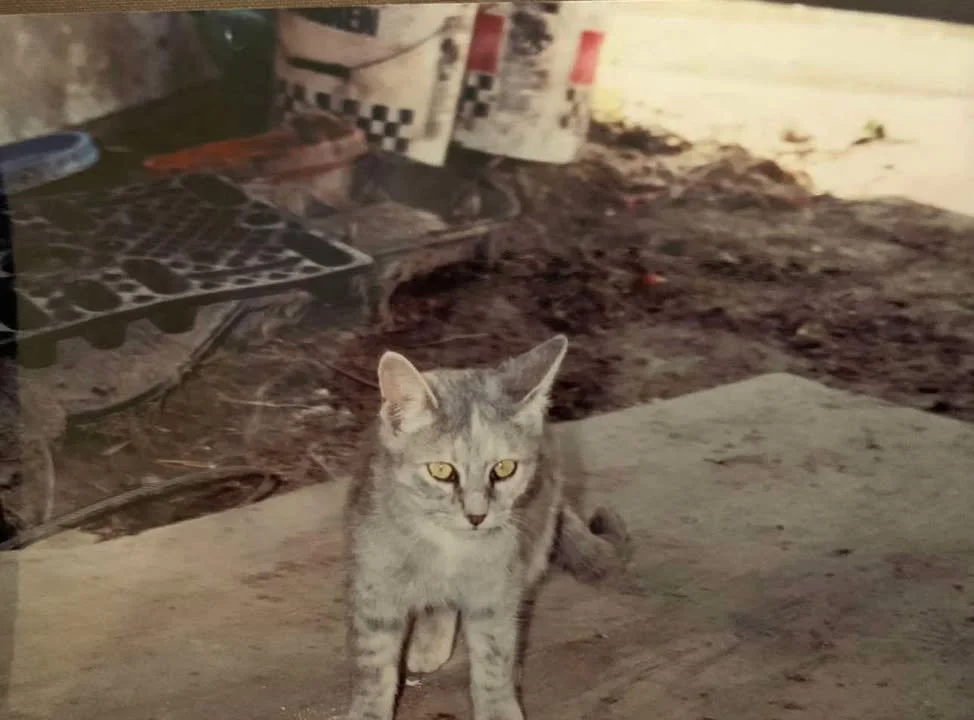
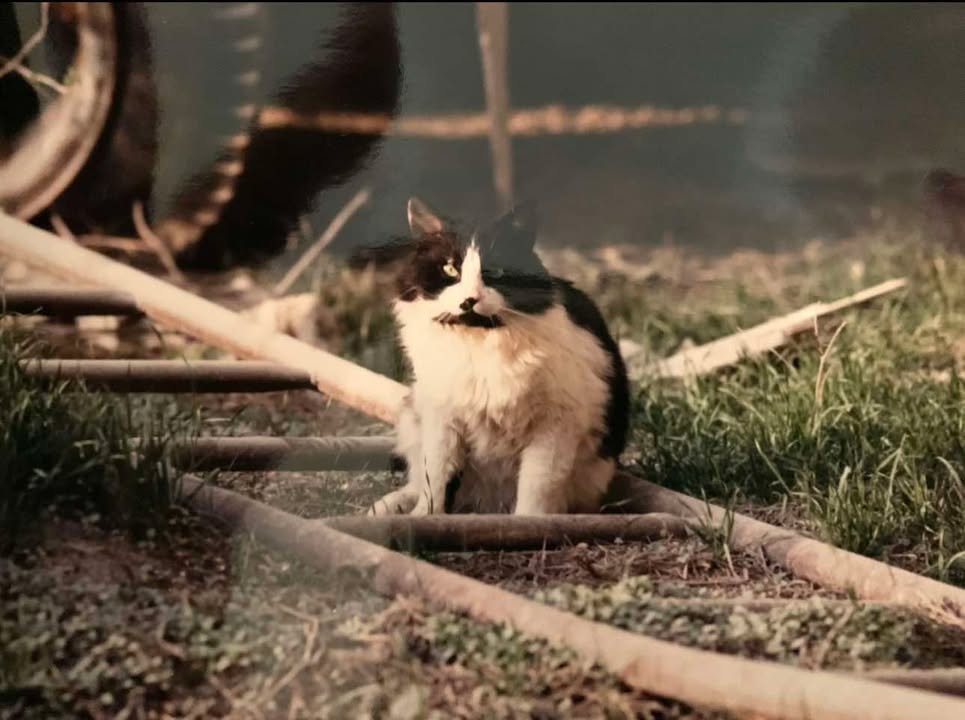
Across the road from the mill stood her grandparents’ old white house, where her father and his six siblings were born and raised. Tobacco was also grown in a nearby field, tying the family to both farming and milling traditions.
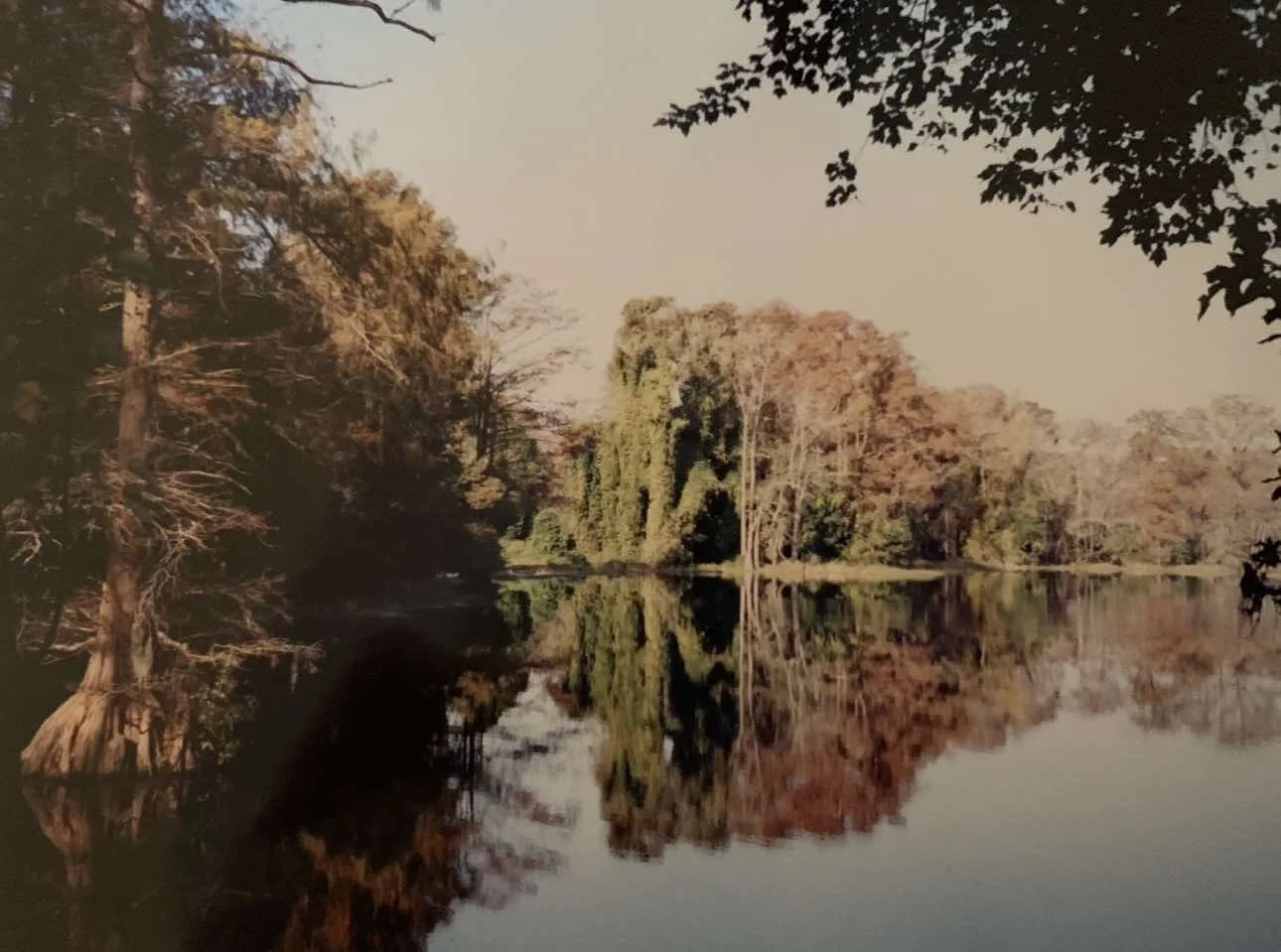
The millpond served as a central gathering place for the community. It was a popular fishing spot, with small boats available to rent. Fishing cost $1 per person, paid on an honor system by dropping money into a wooden box. The pond was also used for baptisms by a small African American church that once stood along Highway 258 across from the water.
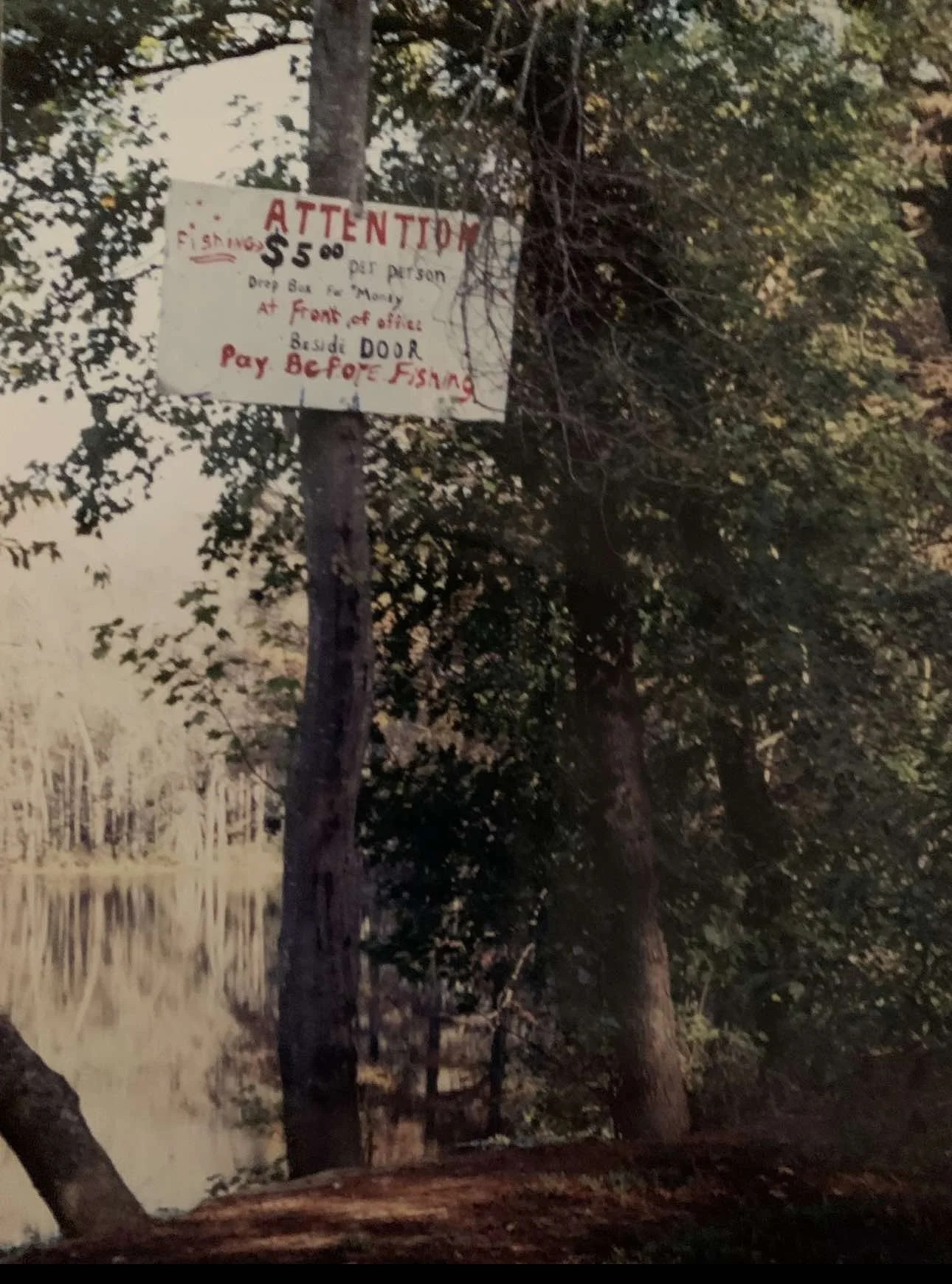
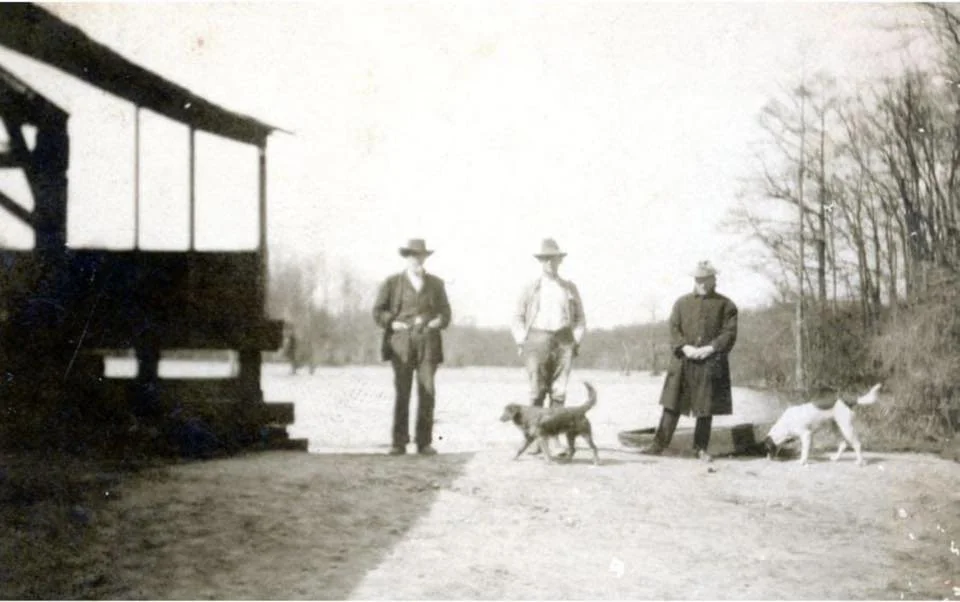
Not all memories of the millpond are joyful. In the early 1900s, a young neighborhood boy drowned while swimming, a tragedy remembered by the community. A family photograph of the pond from that era reflects both its beauty and its weight of memory.
On the property today stand two tombstones marking the graves of Lisa’s great-great-grandparents. There are no marked graves for the enslaved people who lived and worked on the farm, however, a census taken just prior to the Civil War records 22 enslaved individuals living on the property—their stories largely unrecorded.
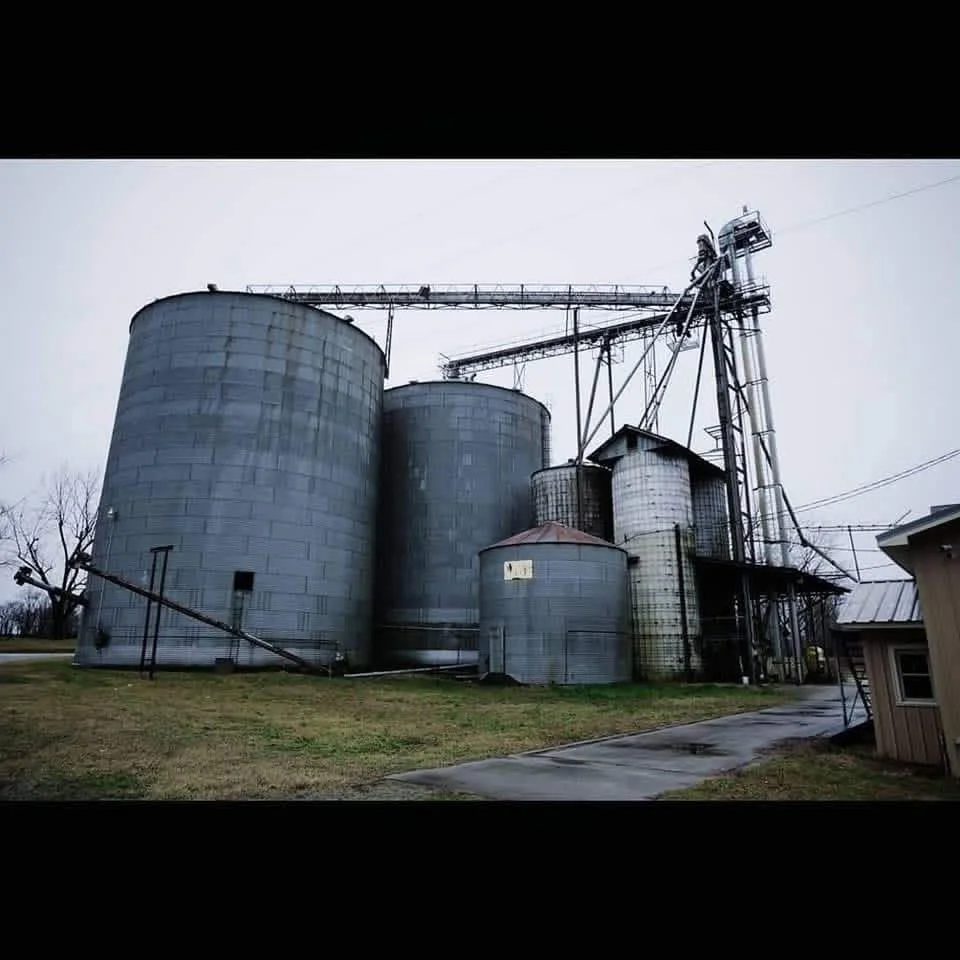
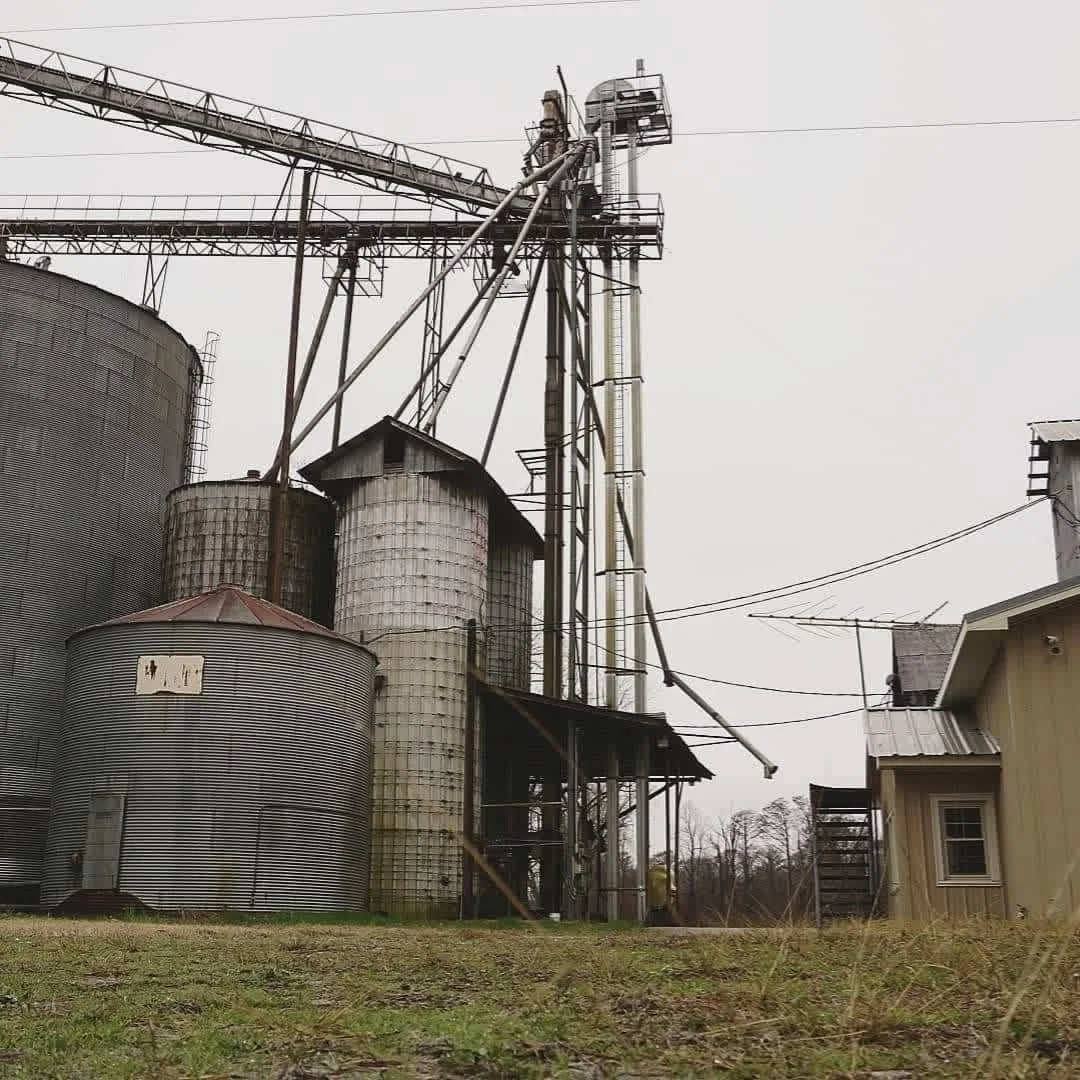
In recent years, the site has seen additional changes. Parts of the mill, including the grain silos, have been dismantled, reflecting a new chapter in the property’s long history.
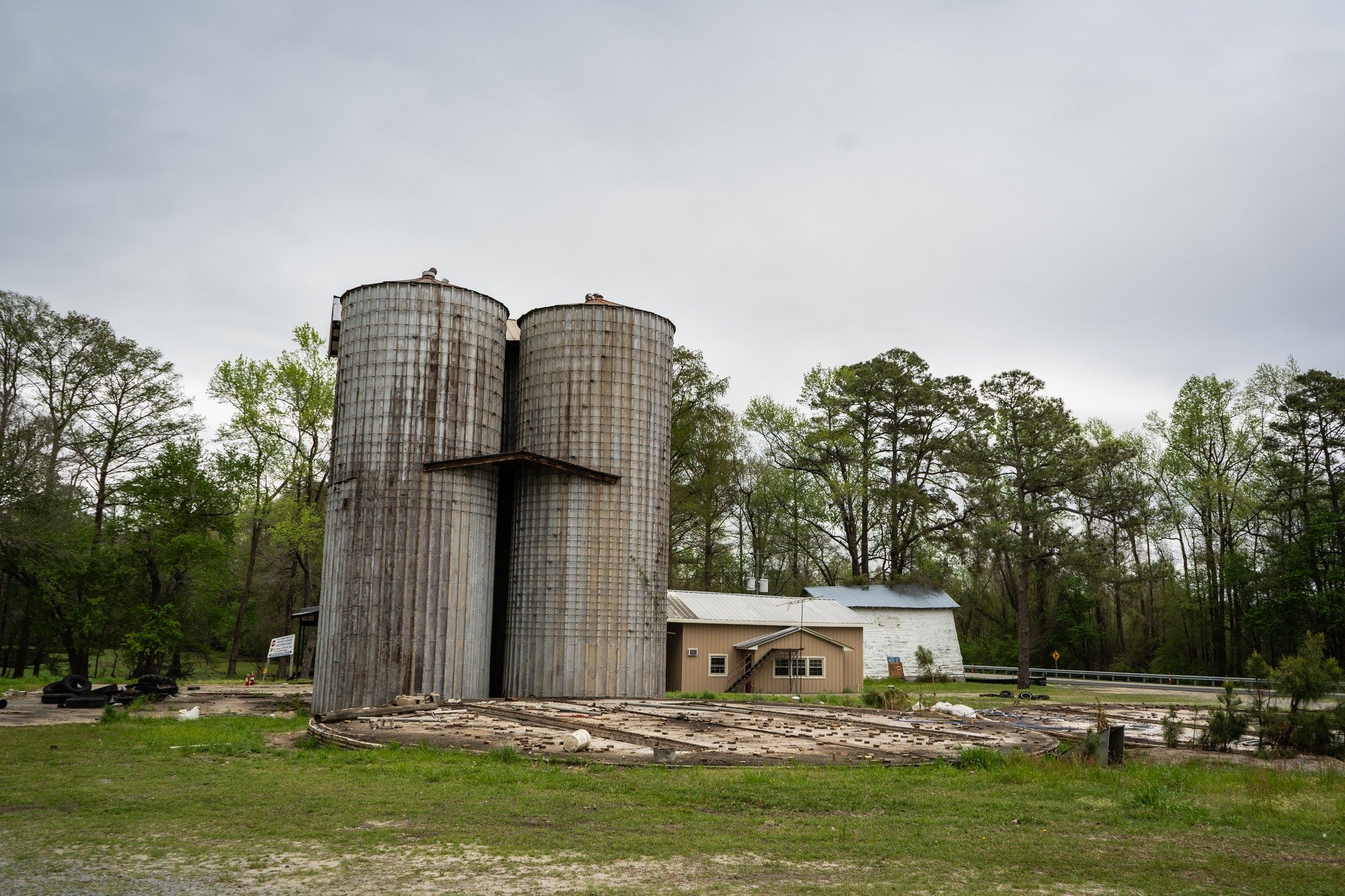
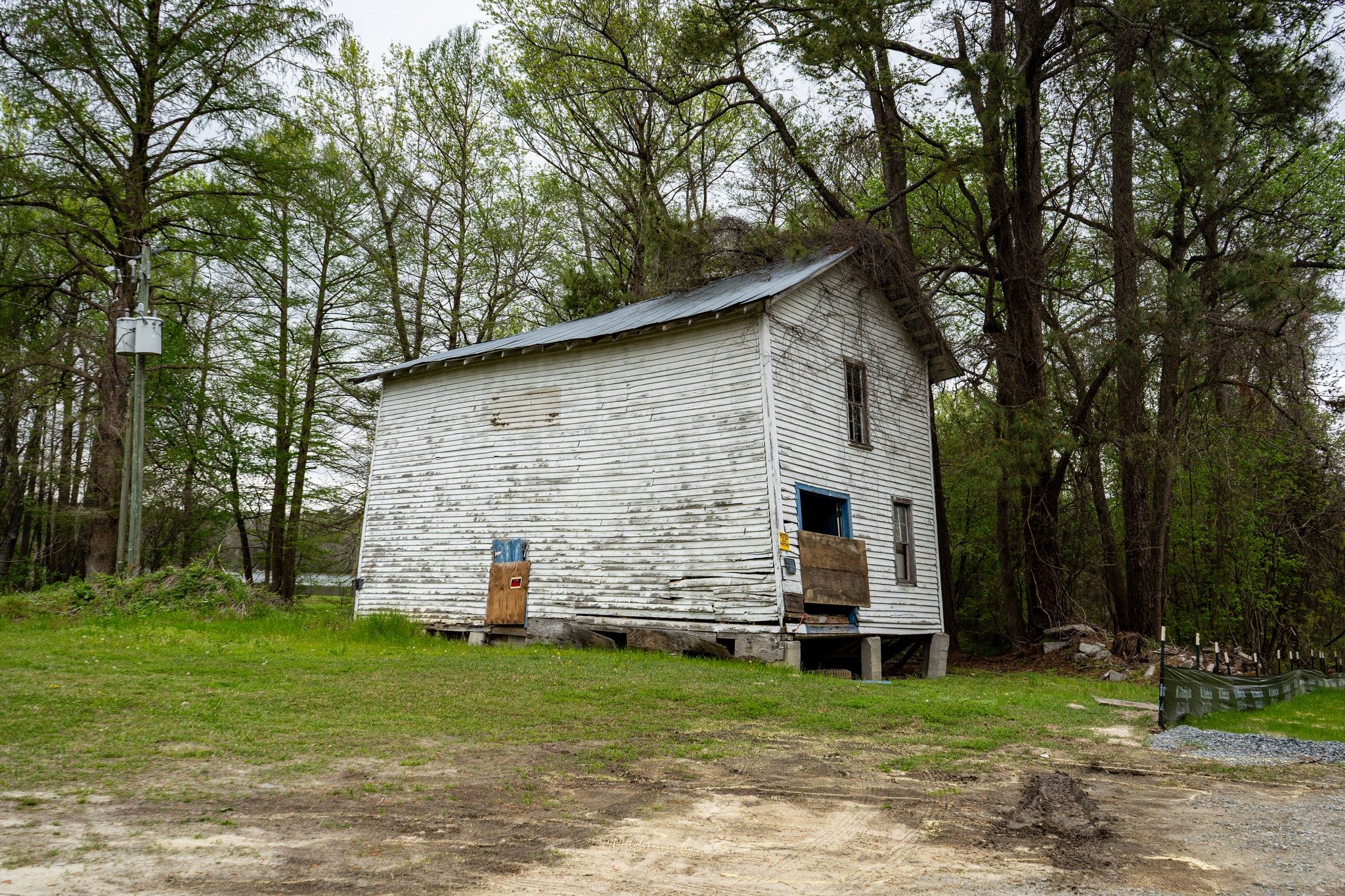
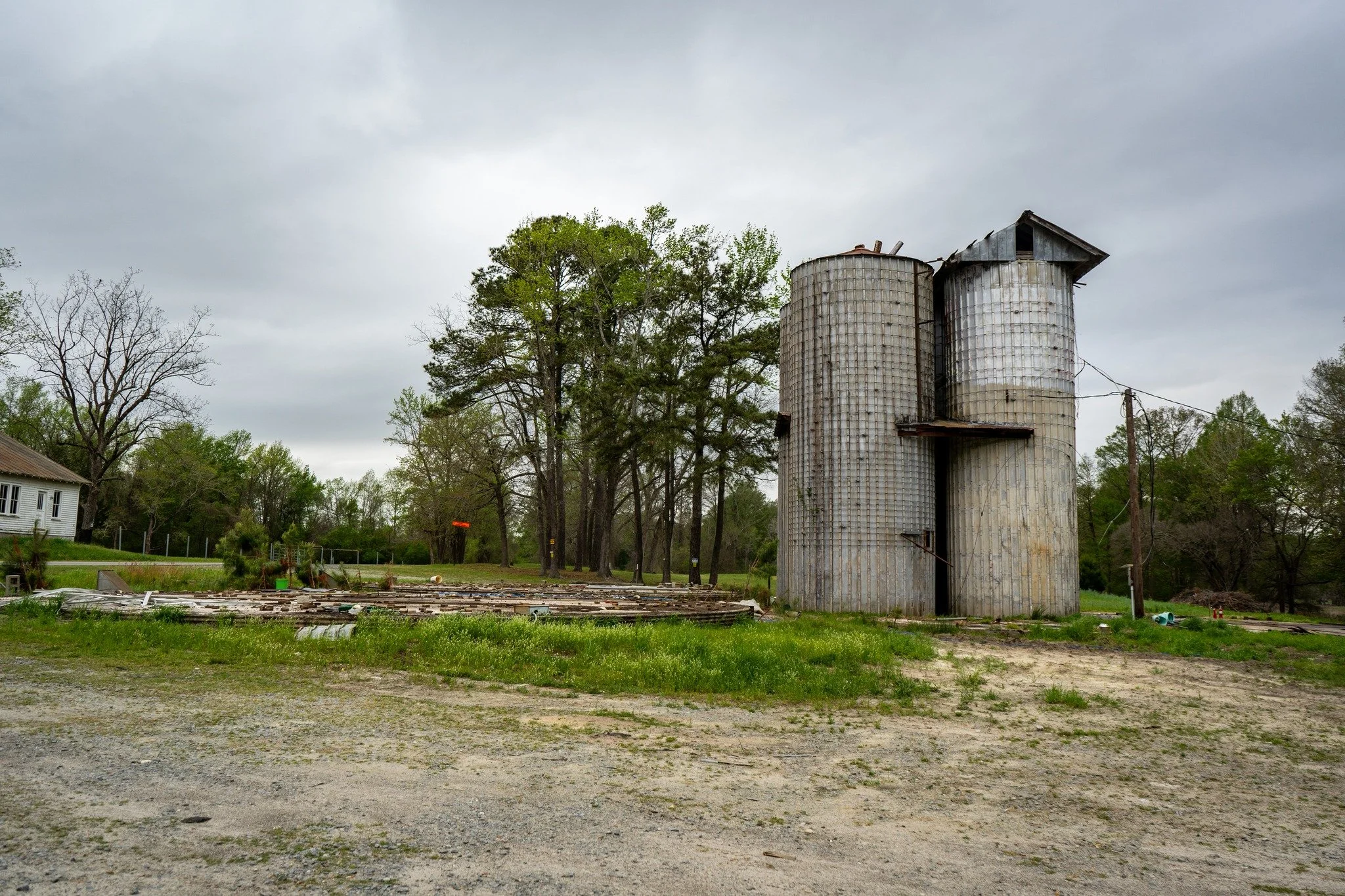
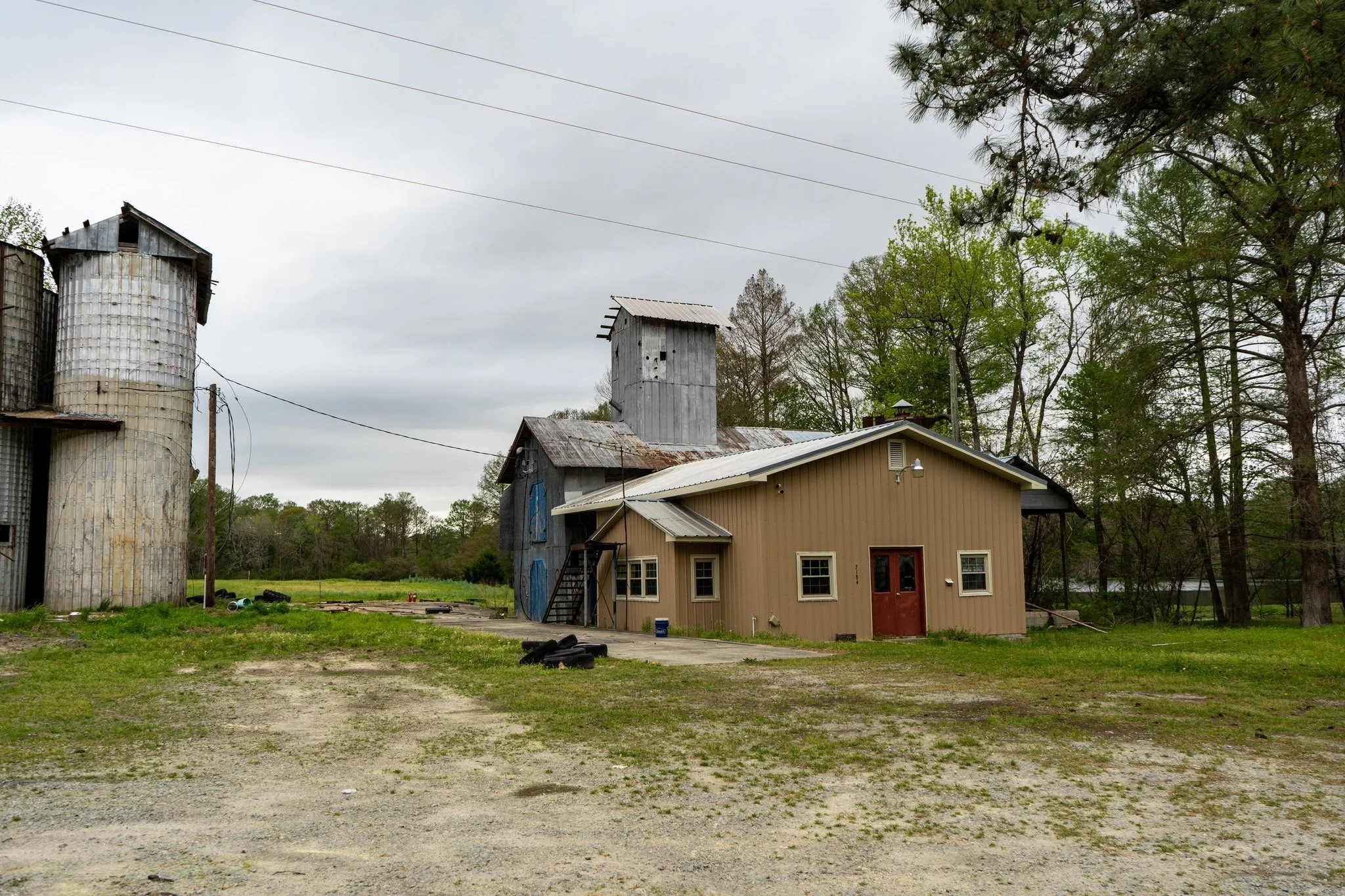
Though the structures and ownership have changed, Nobles Mill remains a powerful reminder of eastern North Carolina’s past—holding stories of family, community, faith, labor, and lives remembered and forgotten. Through shared memories, its legacy continues.
