The History of Pinetown, North Carolina: The Town Built Around an Inventor
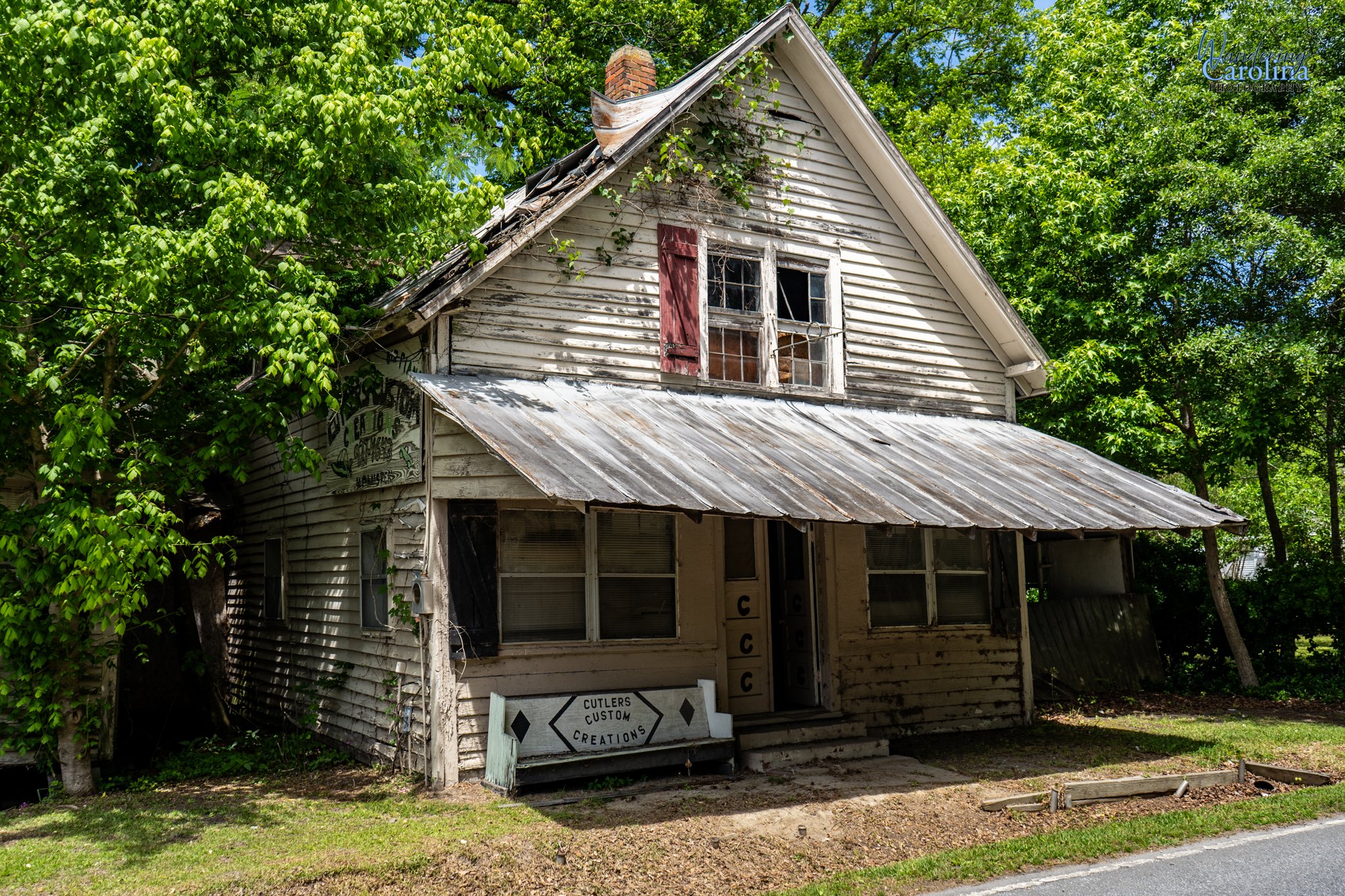
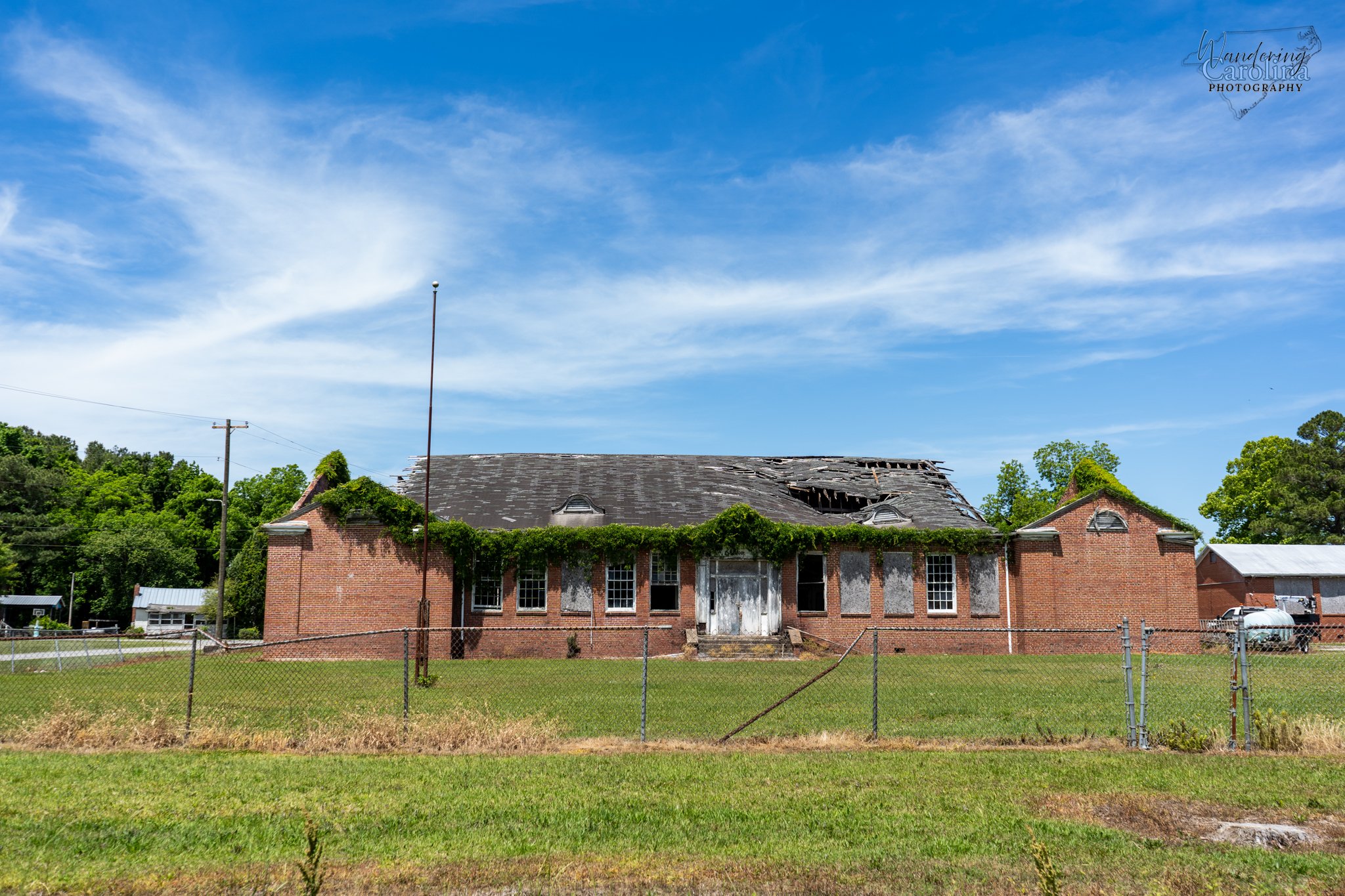
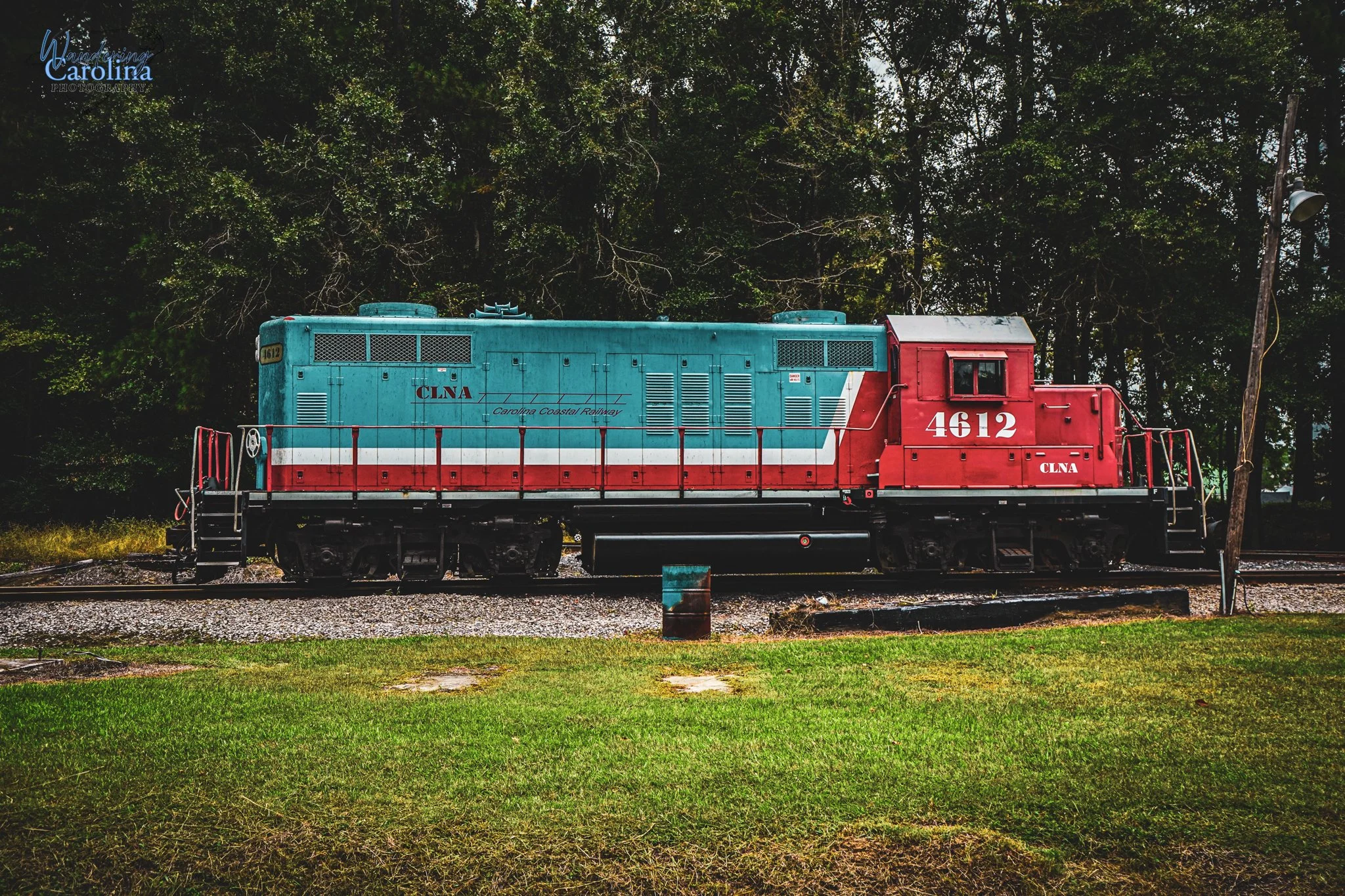
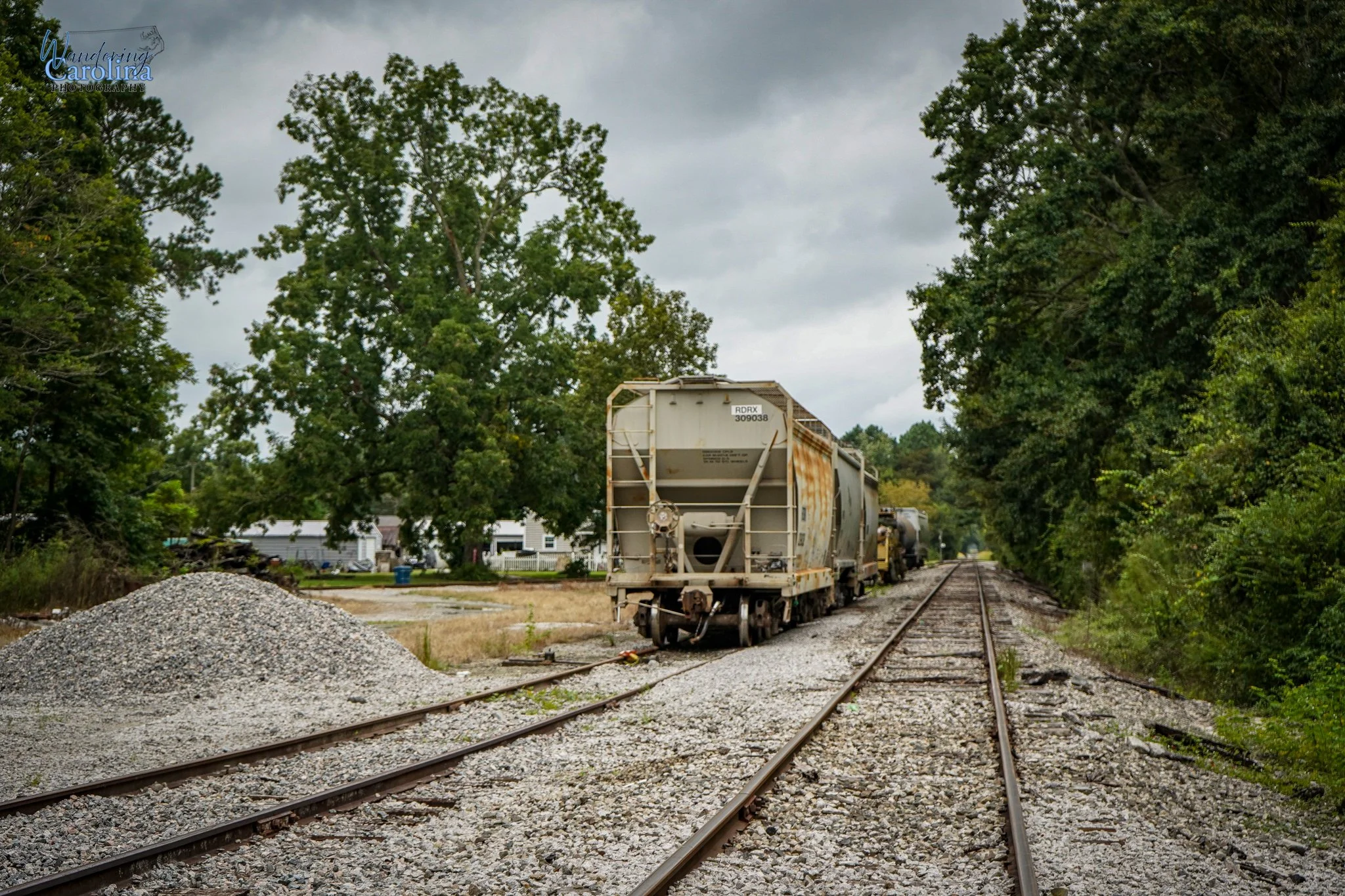
Driving through Eastern North Carolina, it is easy to pass through small communities without realizing the stories hidden behind them. Pinetown, located in Beaufort County, North Carolina, is one of those places. Today, it is a quiet rural community surrounded by farmland, woods, and country roads, but more than a century ago, it was a growing industrial center built around innovation, machinery, and the booming timber industry.
The history of Pinetown is closely tied to one man: Surry Parker.
The Man Behind Pinetown
Surry Parker was born in Virginia in 1866 and developed an interest in machinery at a young age. He left school at only 17 years old and began working on the railroad as a locomotive fireman before later becoming an engineer. Despite having little formal education in engineering, Parker studied mechanics on his own and built a reputation for his skill and creativity.
In the late 1800s, Eastern North Carolina was still covered in vast forests and swamp lands that were difficult to access. The region's timber industry was growing rapidly, but harvesting trees in wet, isolated areas required new ideas and specialized equipment.
Parker helped meet that need by designing and building machinery that made logging operations more efficient. His company produced steam logging equipment, cranes, dredges, pile drivers, winches, and other machinery used throughout the region. These innovations helped transform how timber companies worked in areas that had once been considered nearly impossible to reach.
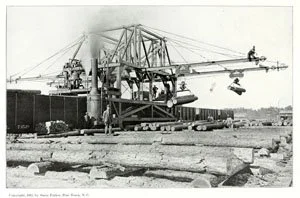
Illustration of log-hoisting machinery designed by Surry Parker, published in 1912 in Steam Logging Machinery (Pine Town, N.C.), page [16]. Source provided through HathiTrust.
Building a Town
By the early 1890s, Parker established machine shops in what would become Pinetown. The town itself grew around his operations, essentially forming because of the work happening there.
As Parker's business expanded, so did the community. At its peak, Pinetown reportedly had between 400 and 500 residents, a sizable number for a small rural community during that period. The town included churches, stores, a school, a lending library, and even an opera house.
Many mechanics and workers who trained under Parker also learned valuable skills that carried into future careers. His influence extended beyond the machinery he designed; he helped create opportunities and establish a community that revolved around industry and innovation.
The Timber Boom and the Swamps
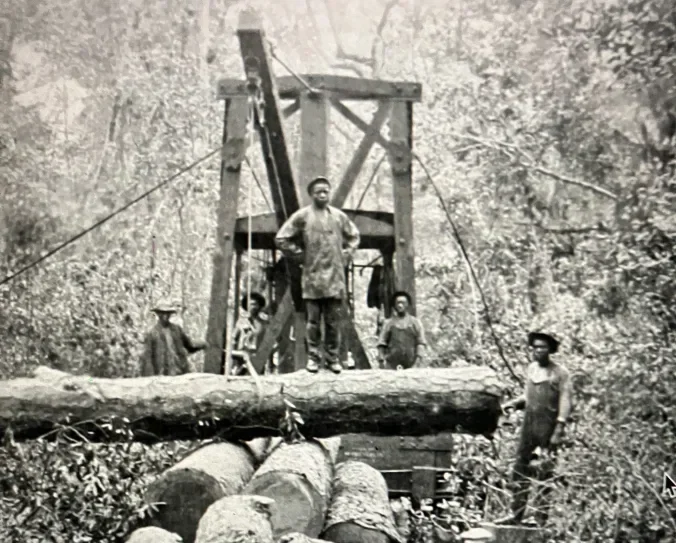
A logging crew working in the East Dismal Swamp around 1910–1912. The East Dismal Swamp was once among the largest freshwater wetland systems along North Carolina's coast. Source: Surry Parker, Steam Logging Machinery (Pine Town, N.C., 1912), North Carolina Collection, UNC–Chapel Hill.
The surrounding region played an important role in Pinetown's development. Nearby forests and swamp lands, including areas connected to the East Dismal Swamp region, provided valuable timber that attracted logging operations.
At the time, swamps were widely viewed as land to be drained, harvested, and developed rather than ecosystems to preserve. Parker's machinery made it easier for logging crews to reach these difficult areas, fueling economic growth while permanently reshaping much of the region's natural landscape.
Pinetown Today
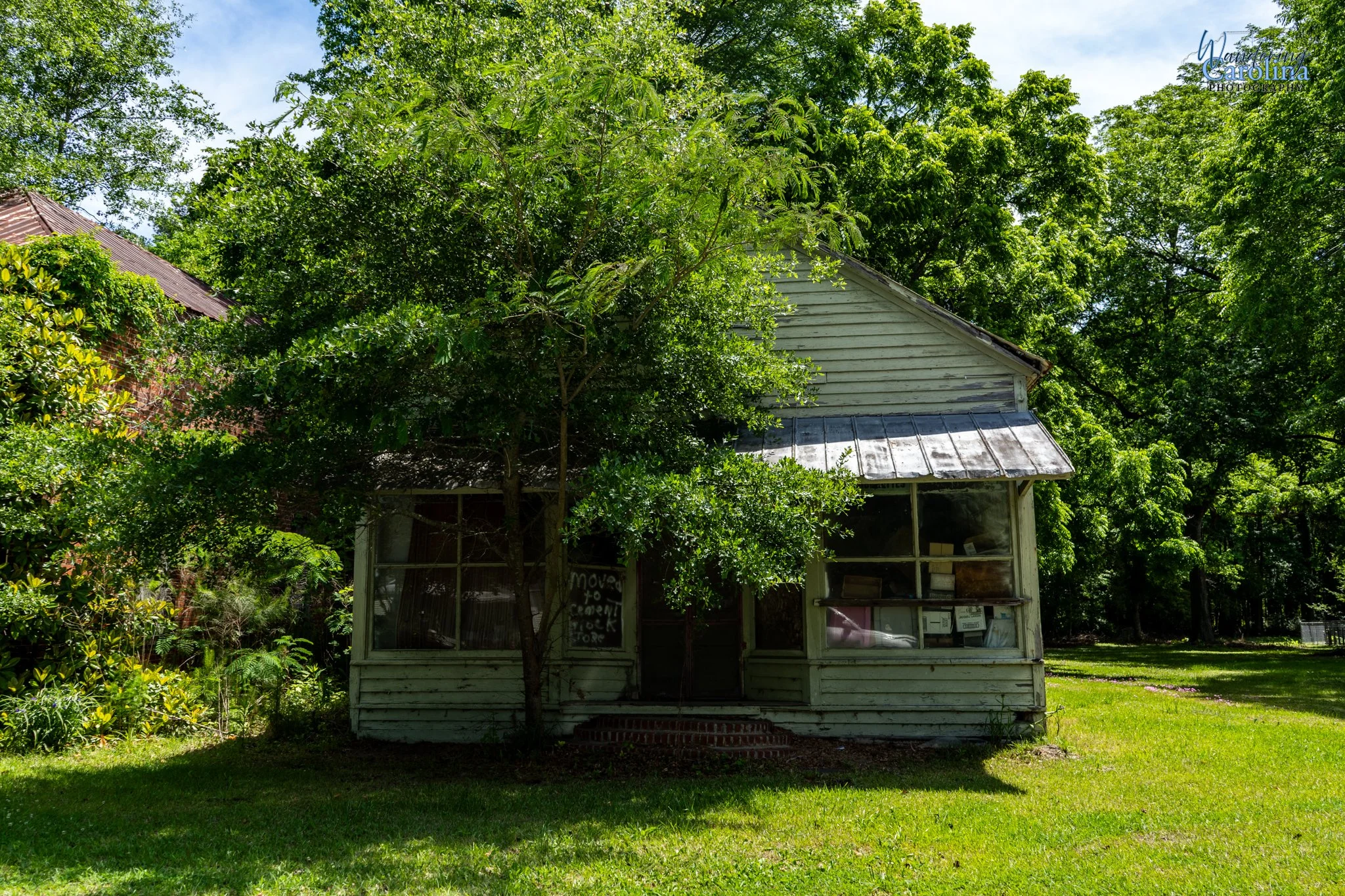
Today, Pinetown is a quiet rural community. The machine shops and sounds of the timber boom have given way to open farmland and peaceful roads, offering little hint of the bustling industrial town that once stood here.
But communities like Pinetown serve as reminders that even the smallest places often have surprisingly large stories behind them. Beneath the quiet landscape is the story of an inventor whose ideas helped shape an entire town and influenced industries across the region.
Sometimes history is hidden in plain sight, waiting along a country road in places most people simply drive by.