
The Rosenwald Practice School at Elizabeth City: A Historic Landmark Being Given New Life
Courtesy of Wandering Carolina, 2025
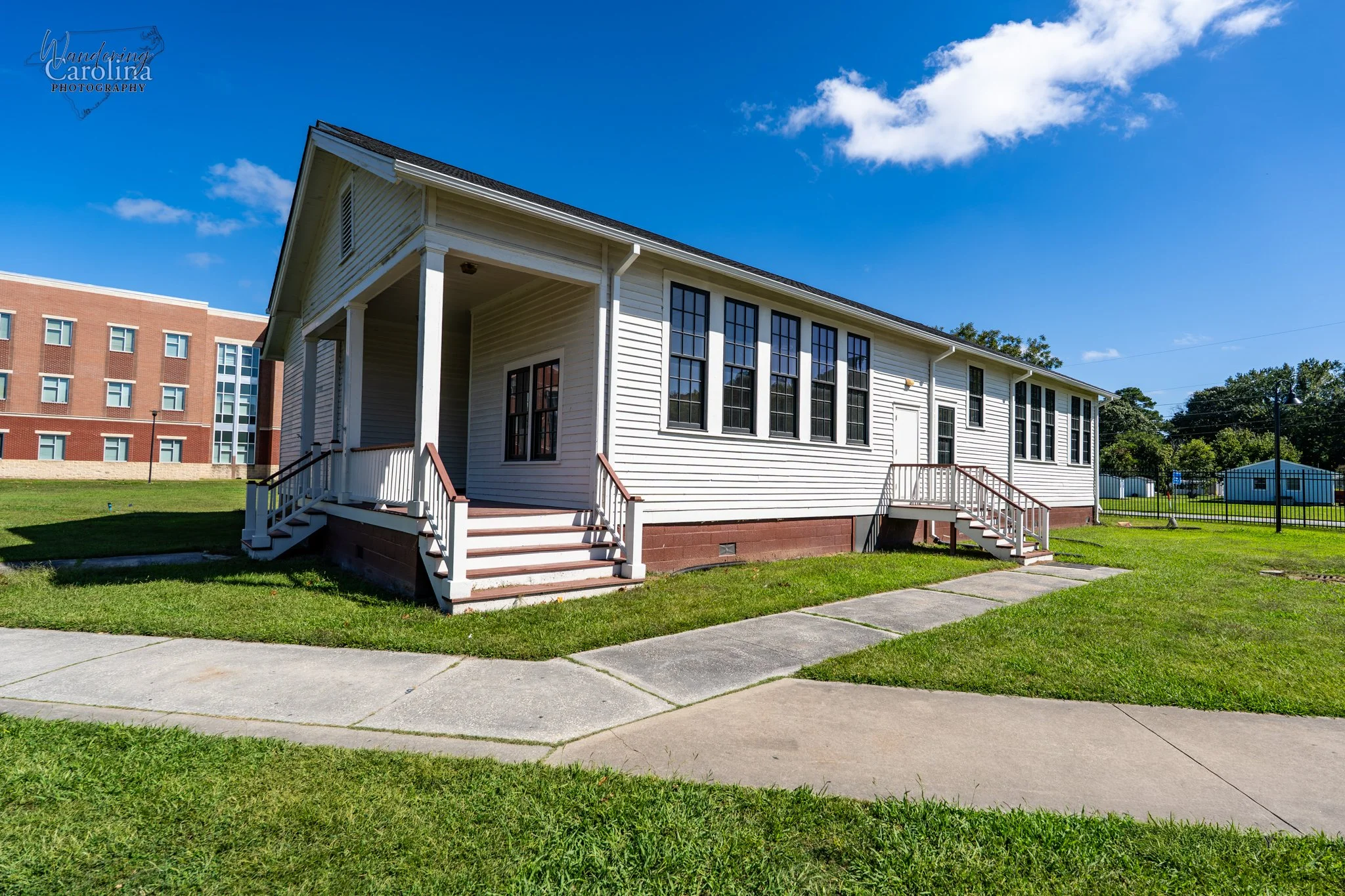
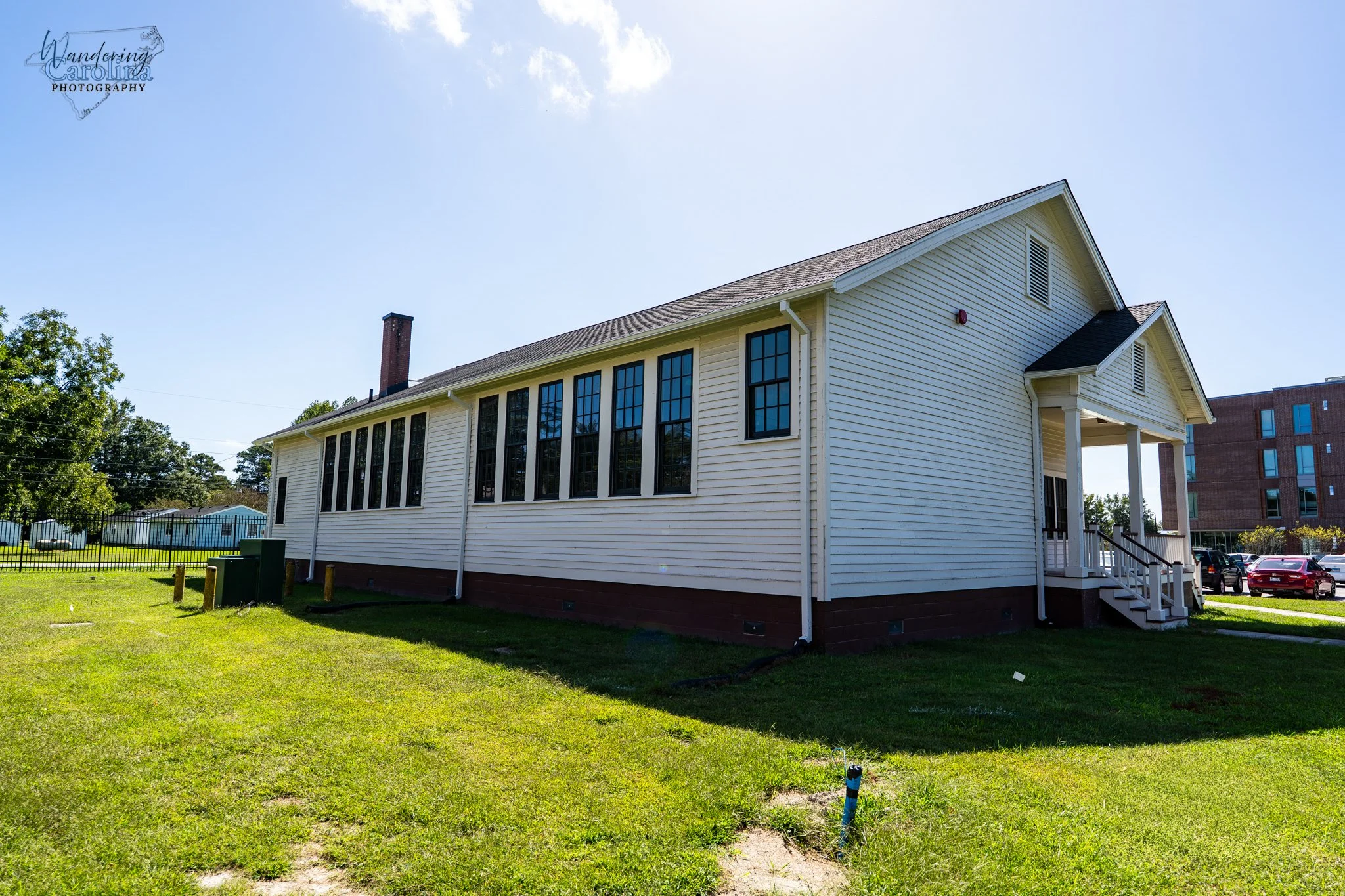
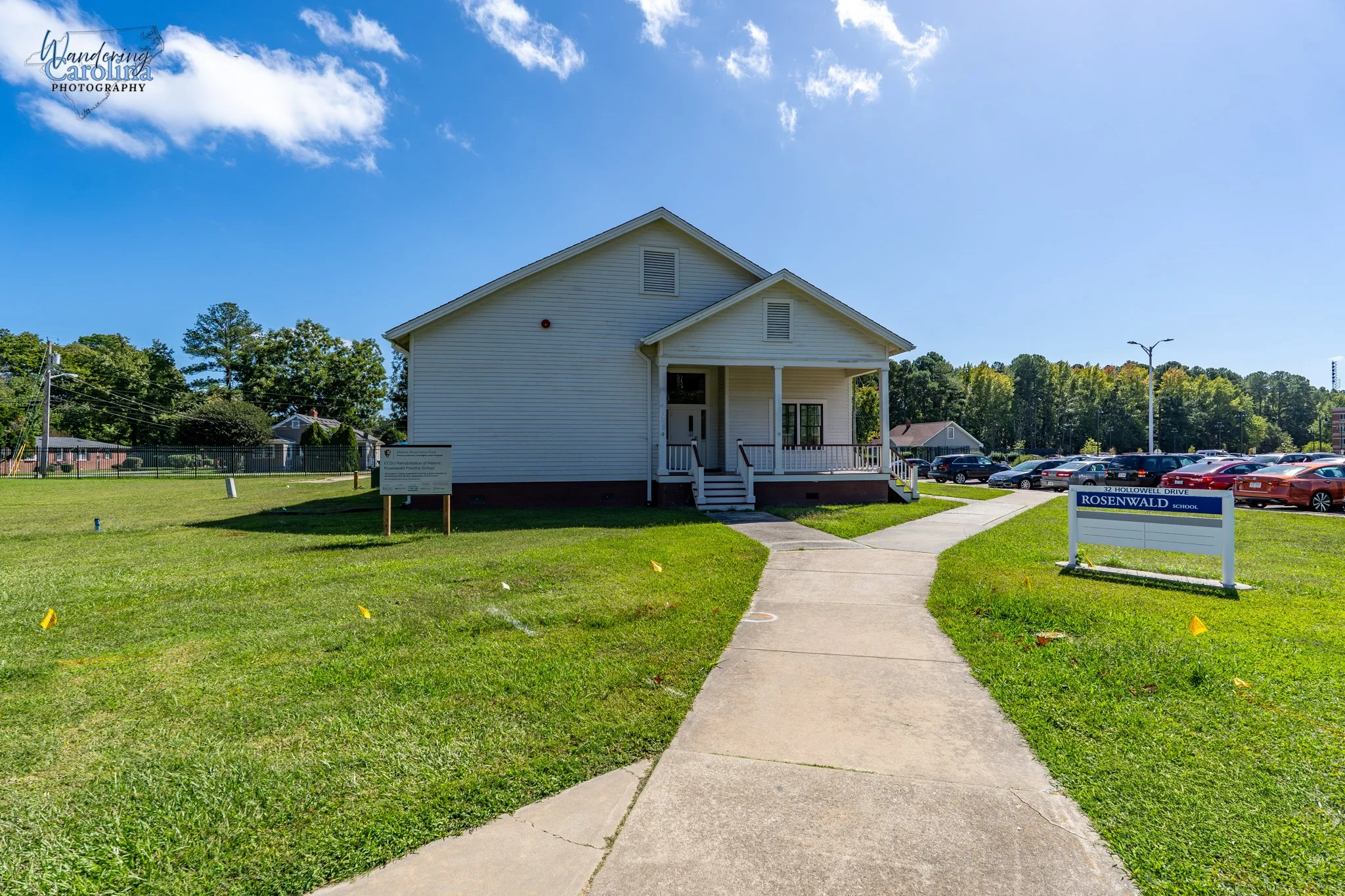
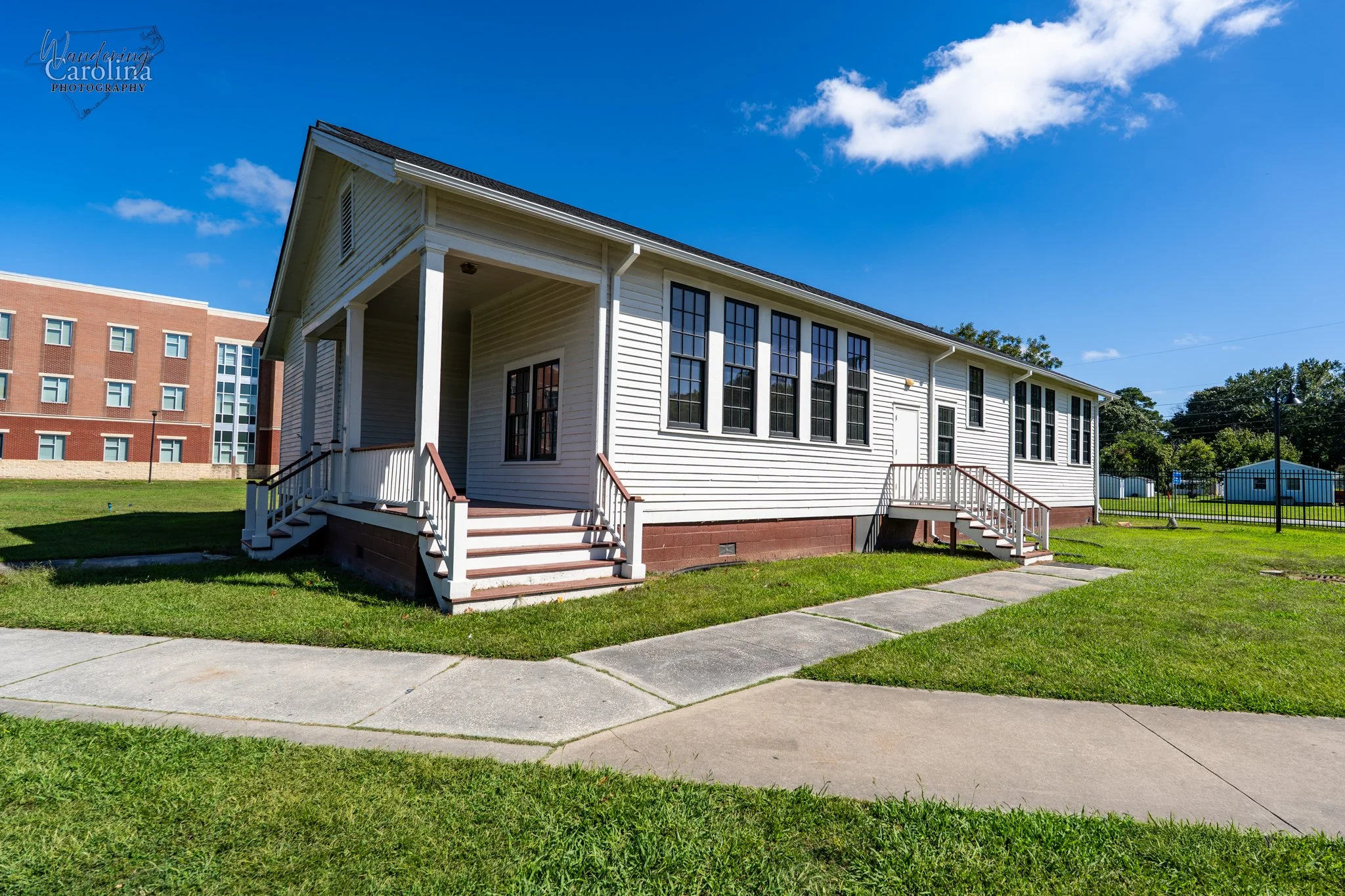
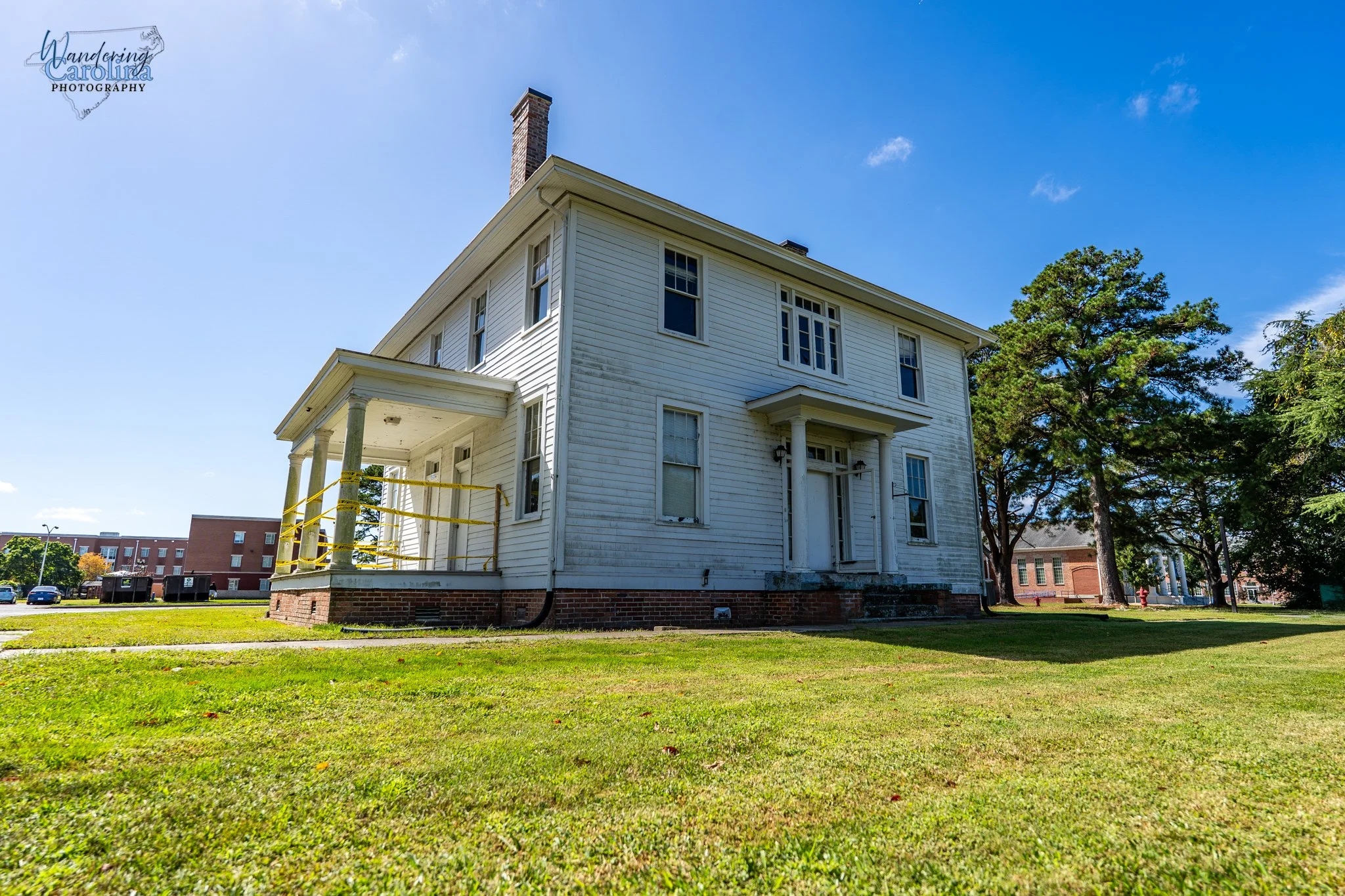
Nearly a century after it first opened its doors, the historic Rosenwald Practice School in Elizabeth City, North Carolina is undergoing restoration. Built during an era when African American communities often had to fight for educational opportunities, the school stands as a lasting reminder of the importance of education, perseverance, and community investment.
A School Built for a Purpose
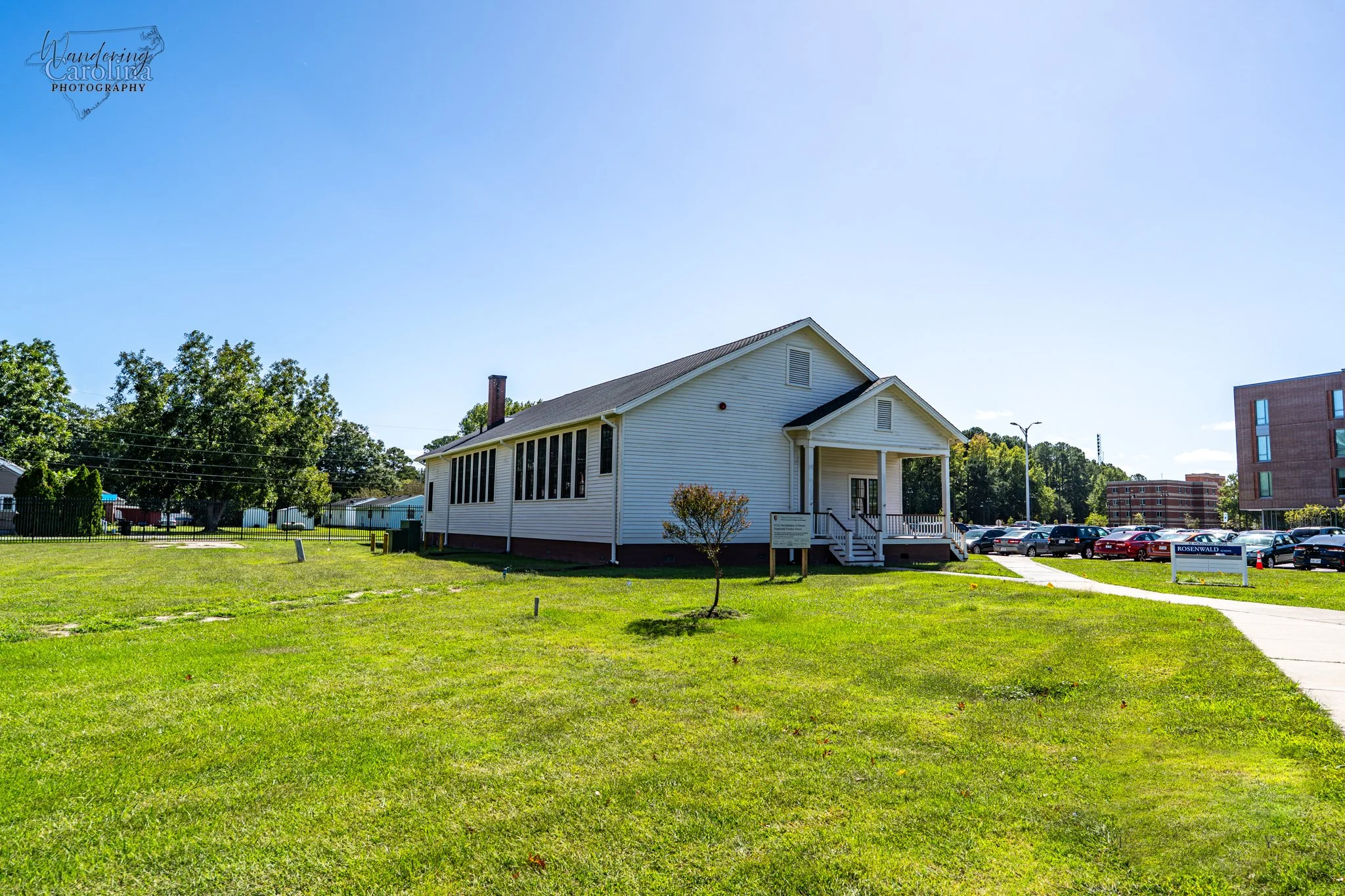
The Rosenwald Practice School was completed in 1922 on the campus of what was then known as Elizabeth City State Colored Normal School, now Elizabeth City State University (ECSU). Unlike many Rosenwald schools built throughout the South for elementary education, practice schools served an additional role: they were designed as training spaces where future teachers could gain classroom experience before beginning their careers.
Courtesy of Wandering Carolina, 2025
The Rosenwald School movement was a groundbreaking partnership between educator Booker T. Washington and businessman and philanthropist Julius Rosenwald, president of Sears, Roebuck and Company. Created to improve educational opportunities for African American children across the segregated South, the program helped fund the construction of thousands of schools during the early twentieth century. Because African American schools often received significantly less funding than white schools, local communities frequently raised money, donated land, and contributed labor to help make these schools a reality.
The Rosenwald program ultimately helped fund more than 5,000 schools, teacher homes, and industrial buildings throughout the South, becoming one of the most significant educational initiatives of the early twentieth century.
More Than a School Building
Courtesy of Wandering Carolina, 2025
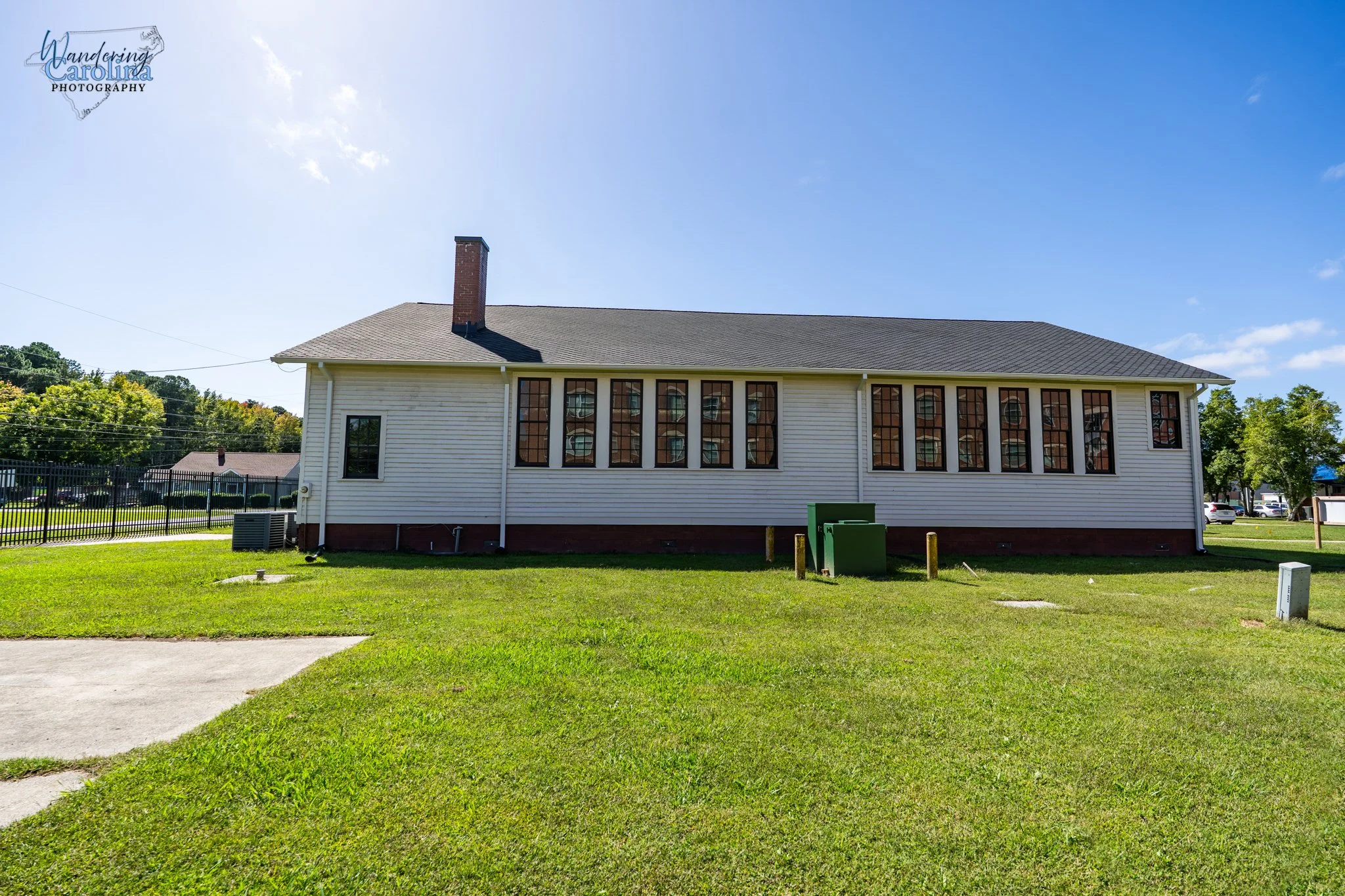
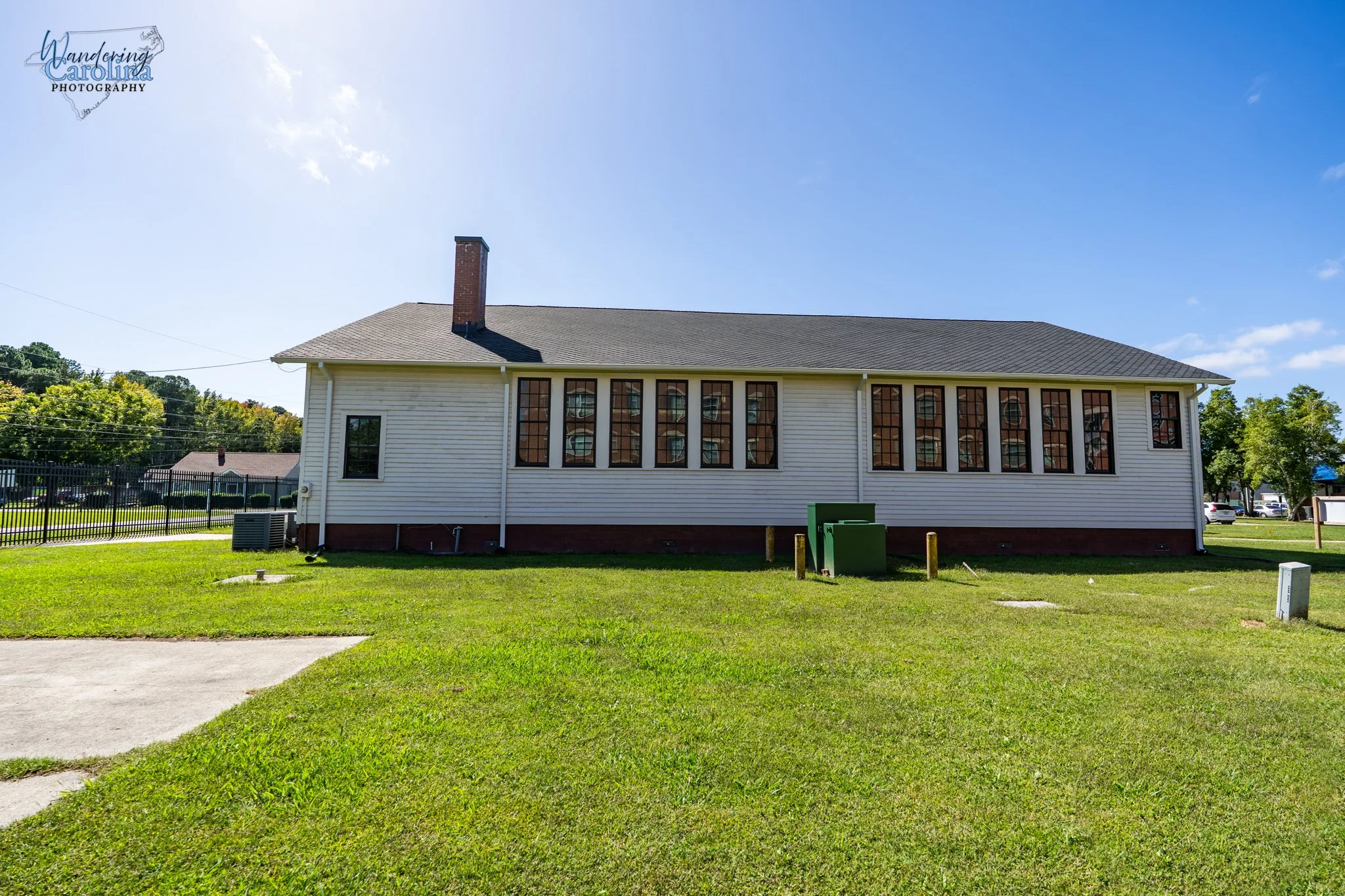
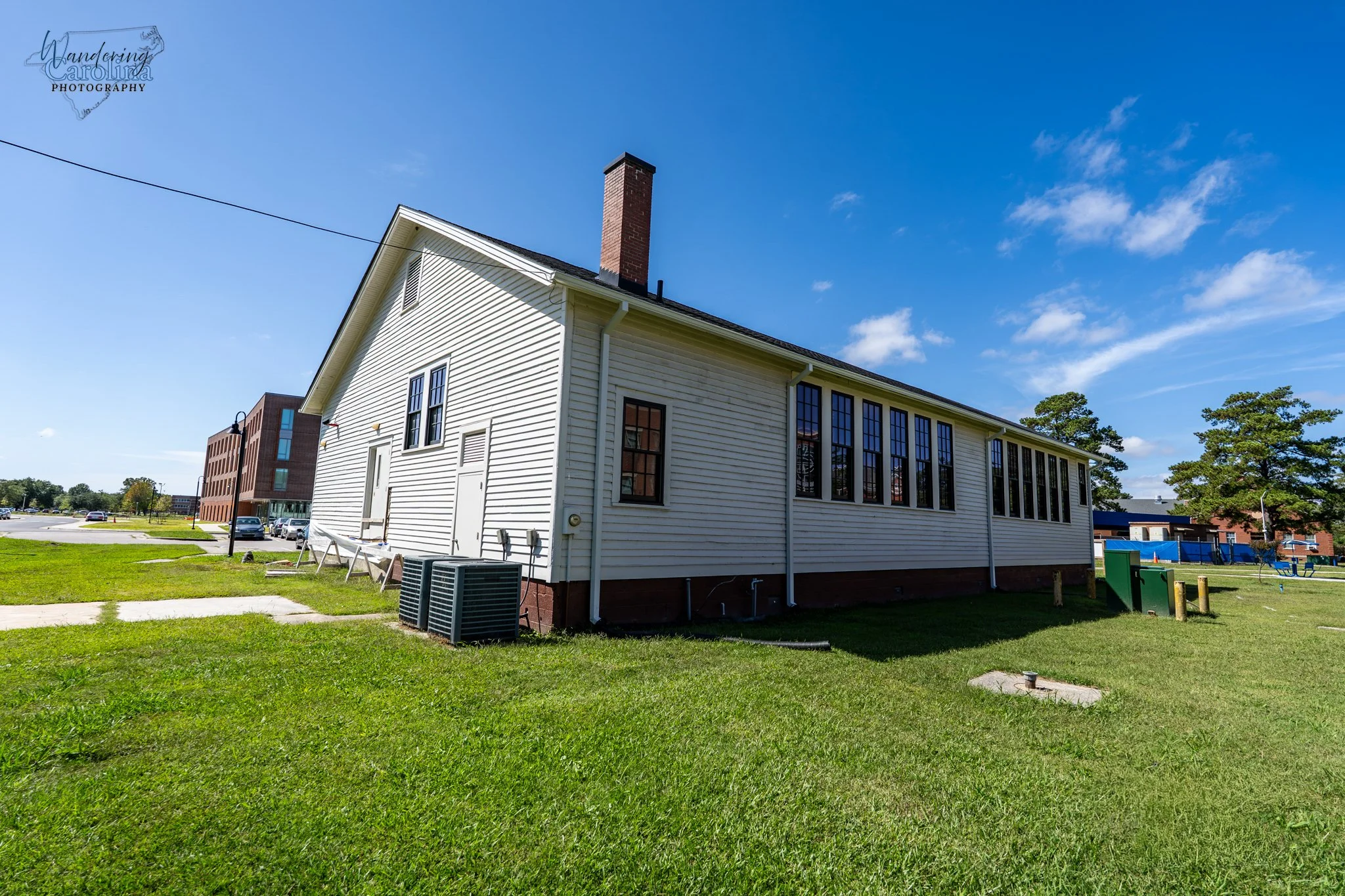
Over the decades, the Rosenwald Practice School took on many different roles on the ECSU campus.
Historical records note that the structure later housed a YWCA clubhouse, a cosmetology school, a laboratory preschool, a campus laundry, and eventually the university's ROTC headquarters.
While many historic buildings disappear after their original purpose ends, the Rosenwald Practice School remained standing, quietly preserving its story while the campus around it evolved.
Restoring a Piece of North Carolina History
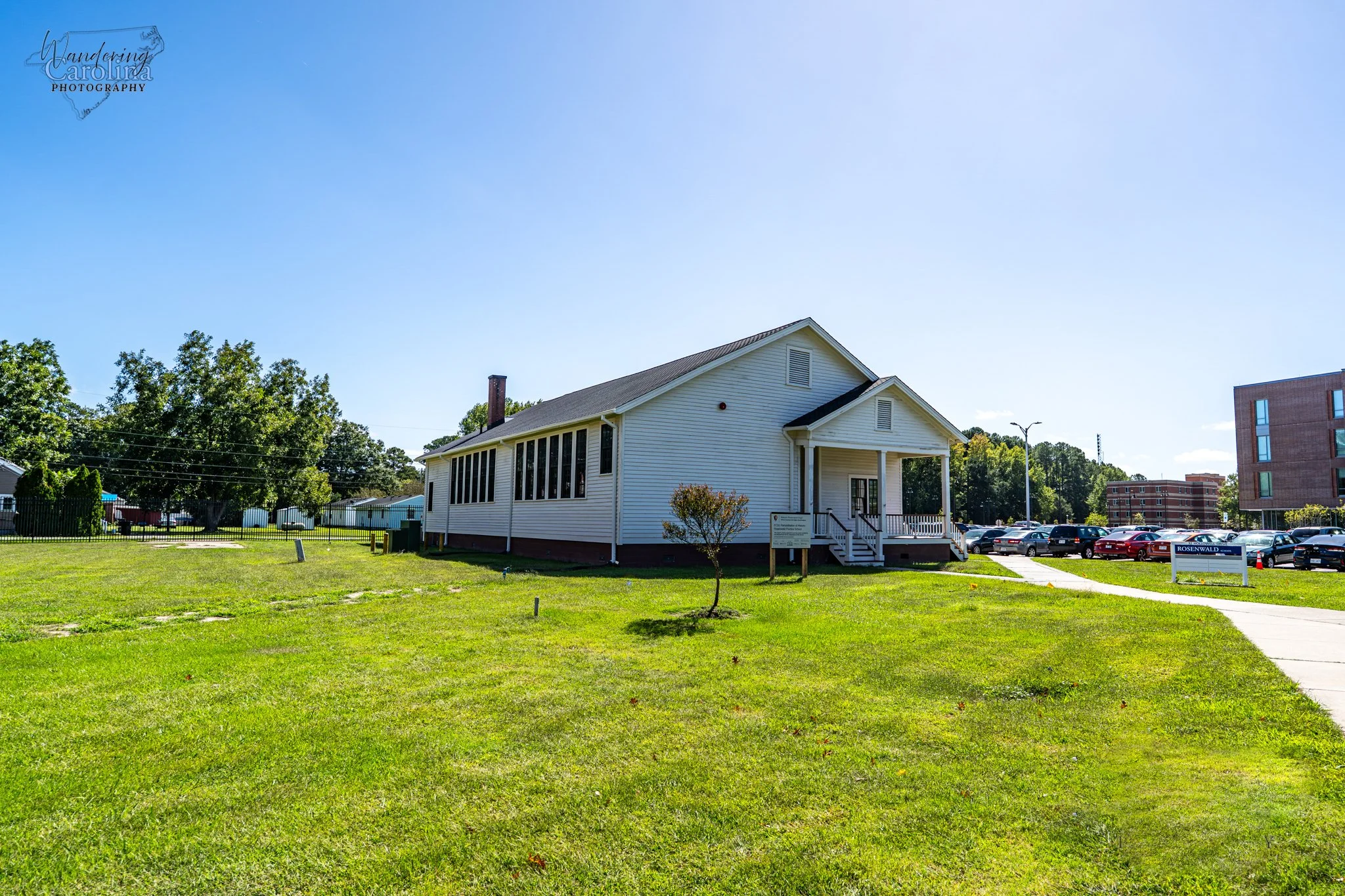
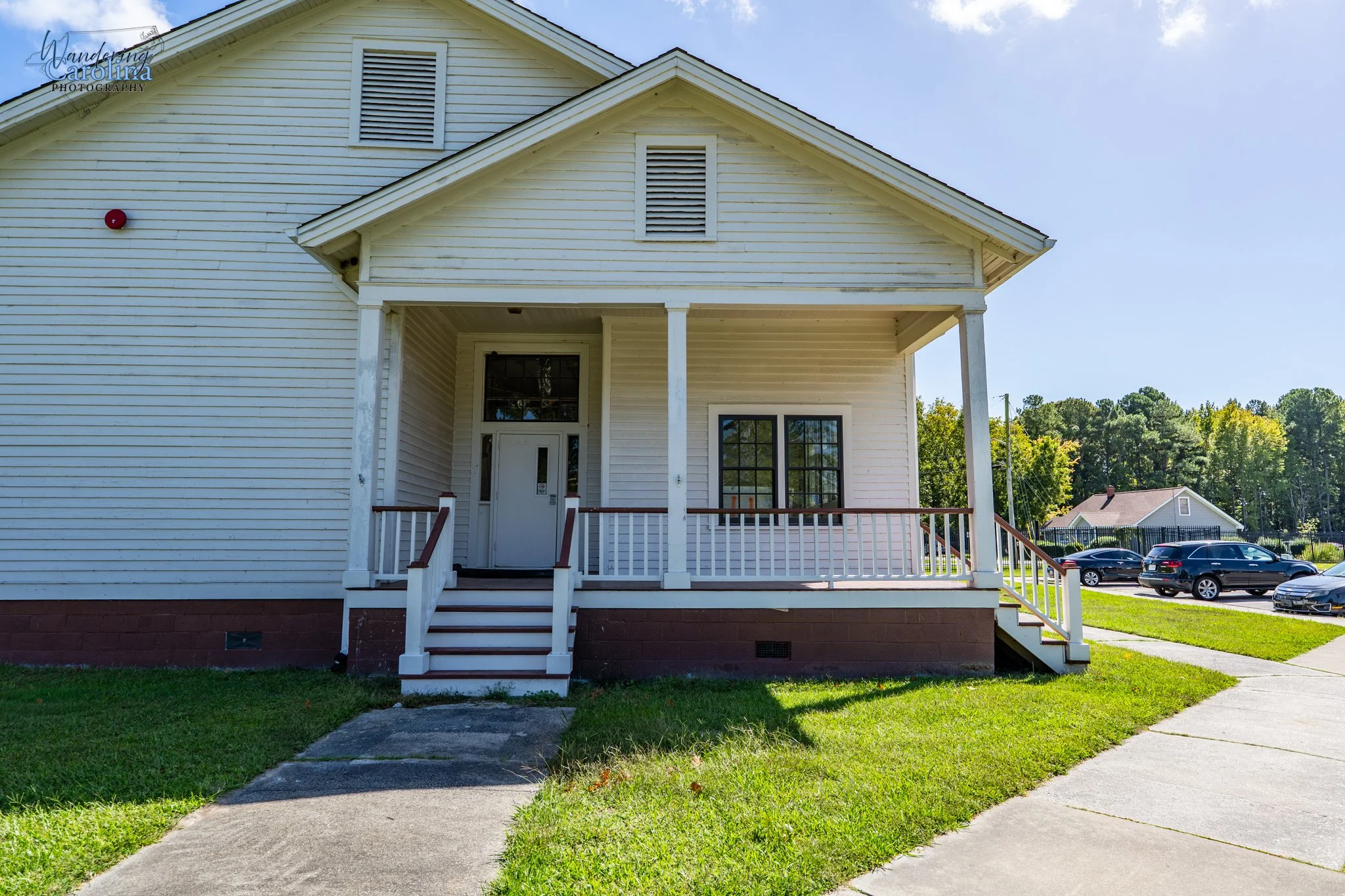
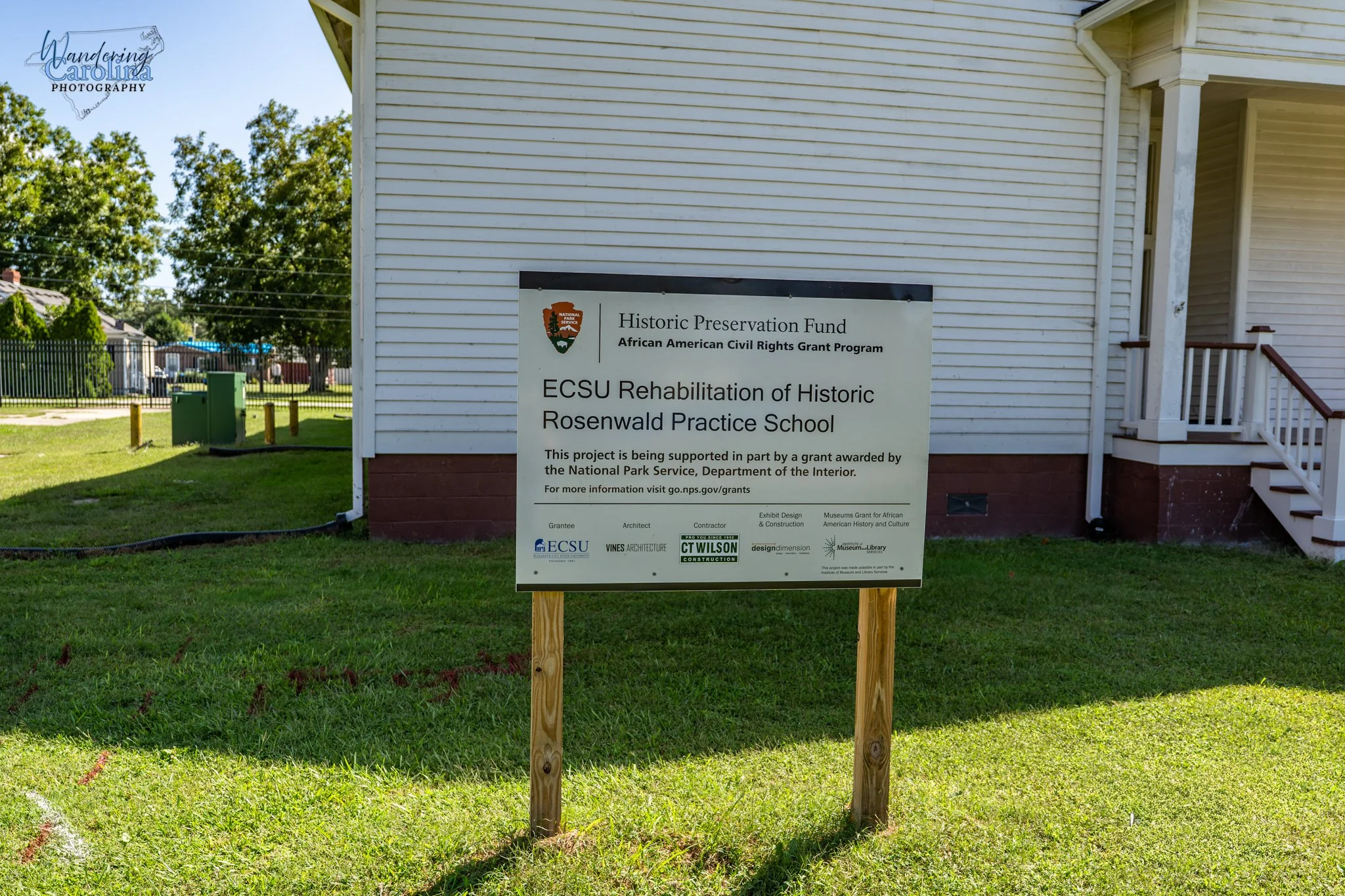
To help preserve this important piece of North Carolina history, Elizabeth City State University received more than $1.5 million in preservation grants from the National Park Service's Historic Preservation Fund to rehabilitate the Rosenwald Practice School and the nearby Principal's House. Restoration efforts have included repairing exterior siding, replacing windows, restoring original architectural features, repairing the front porch, and uncovering historic elements that had been hidden beneath later renovations.
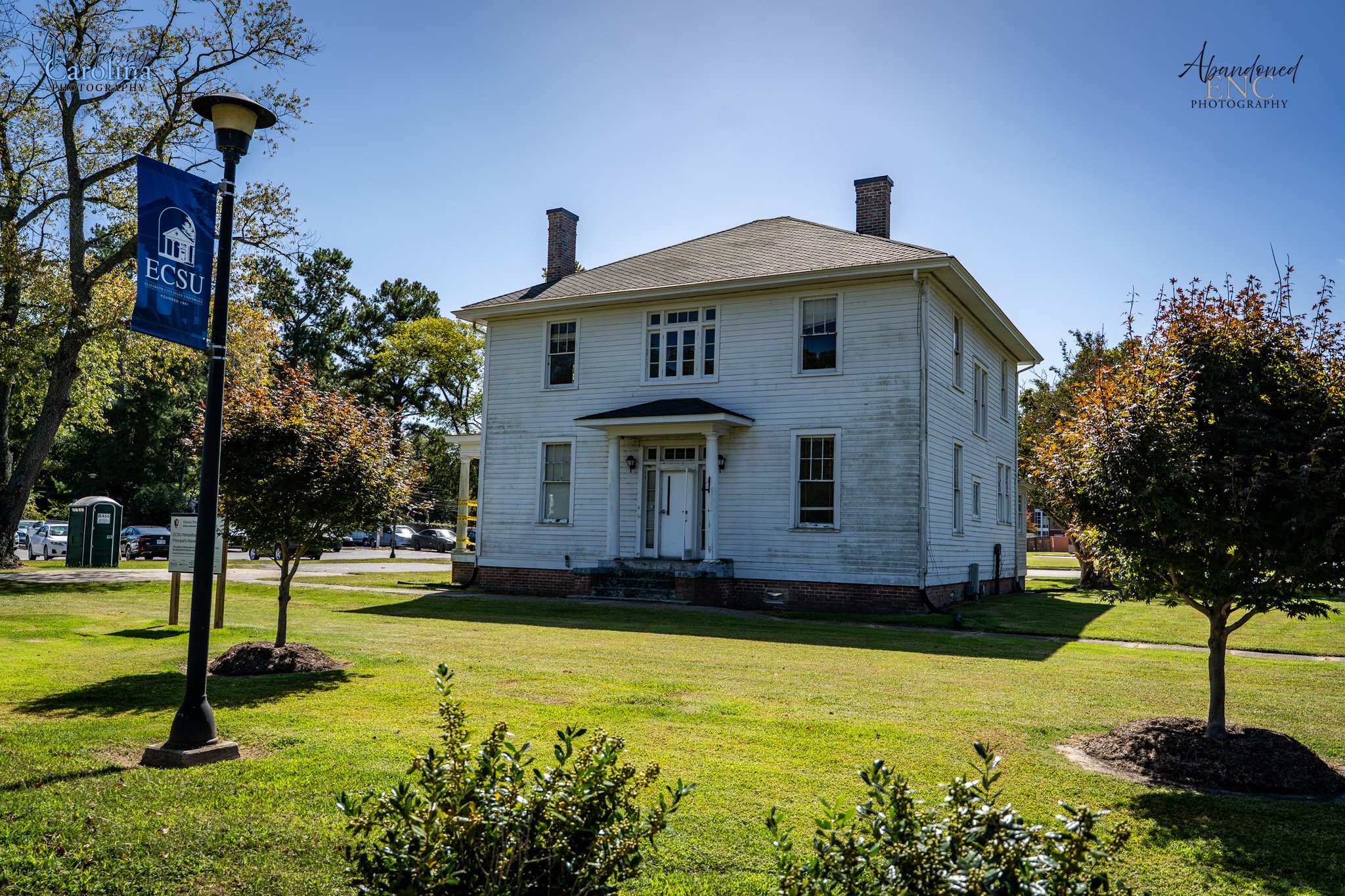
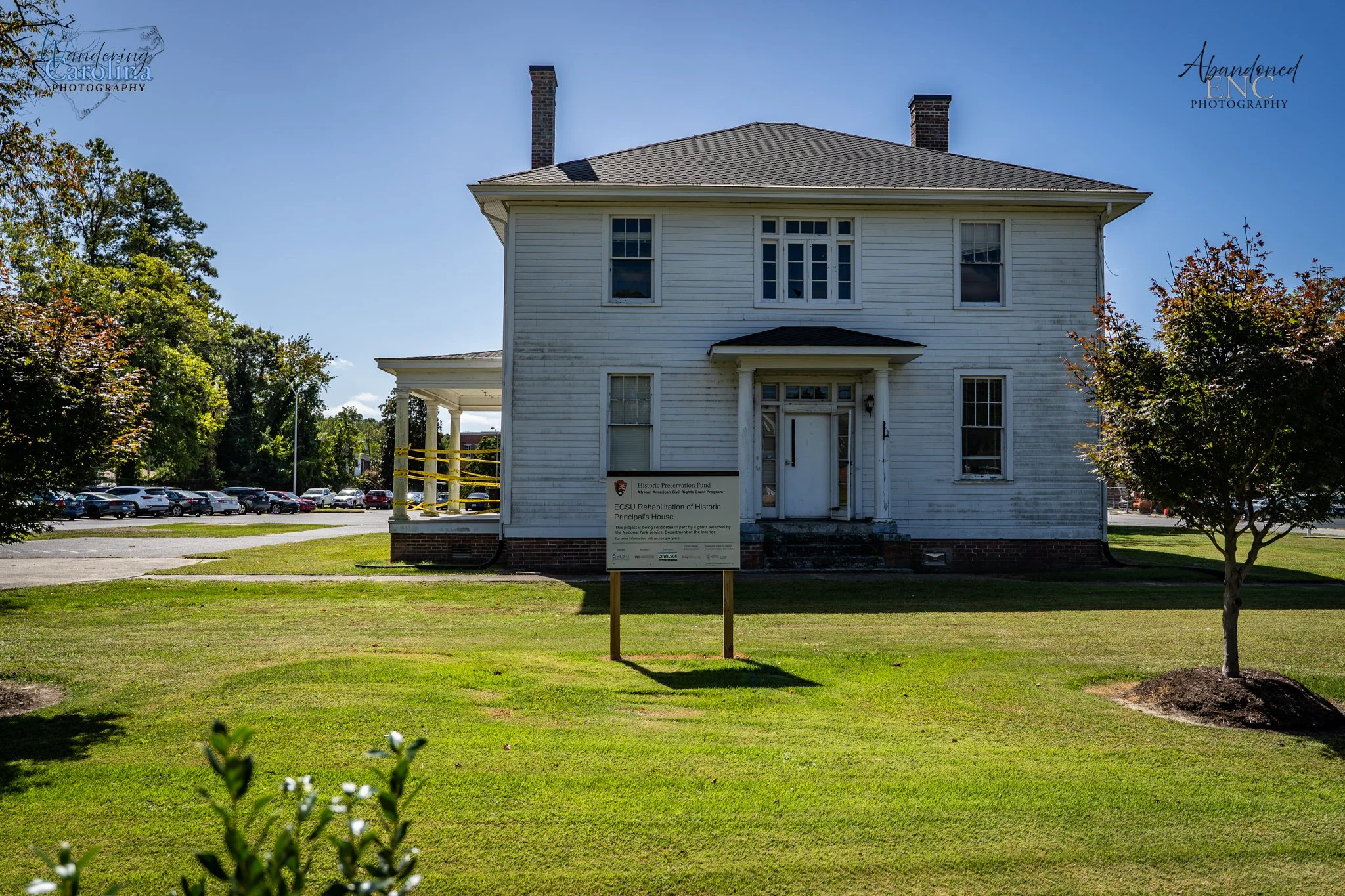
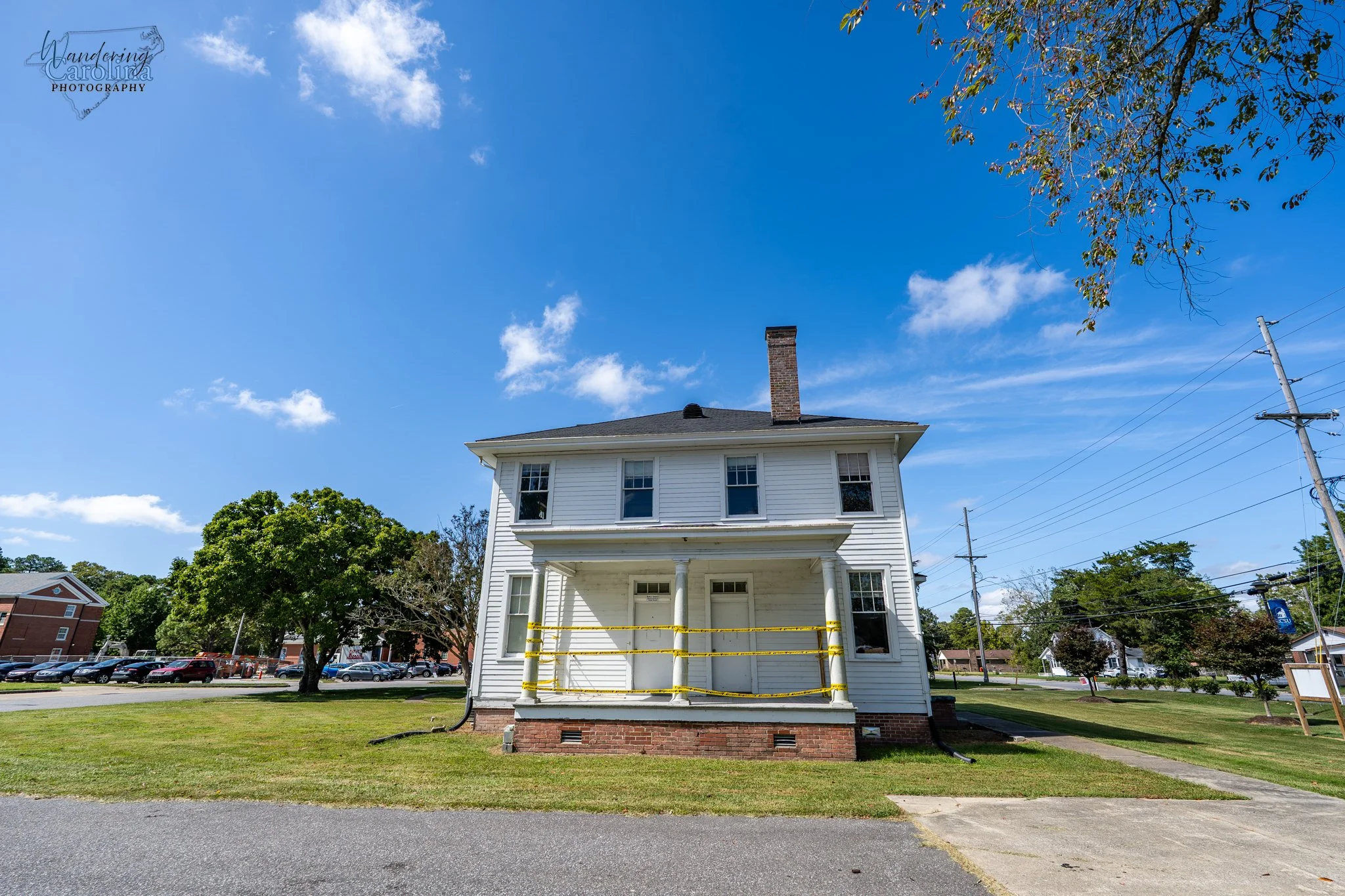
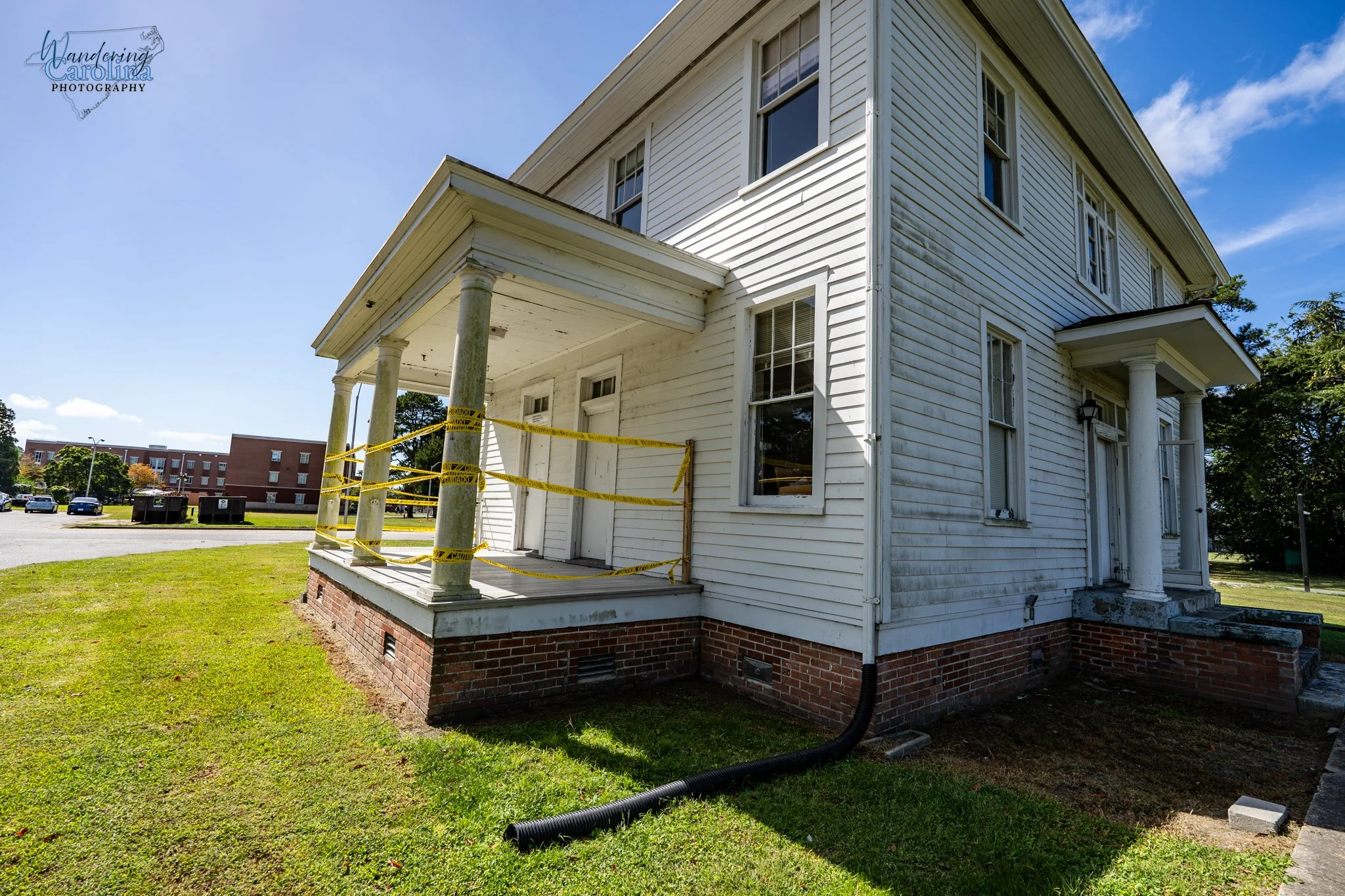
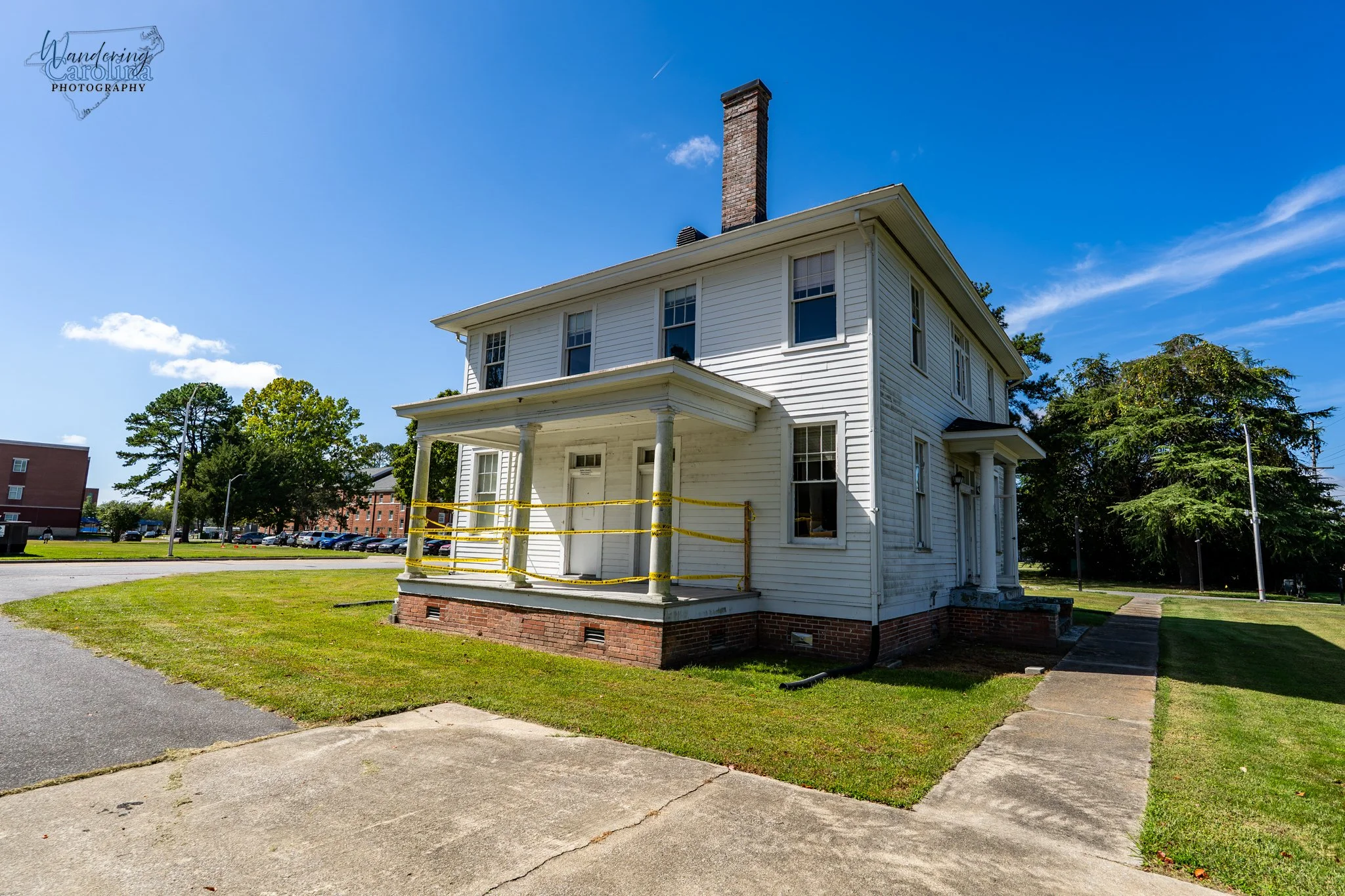
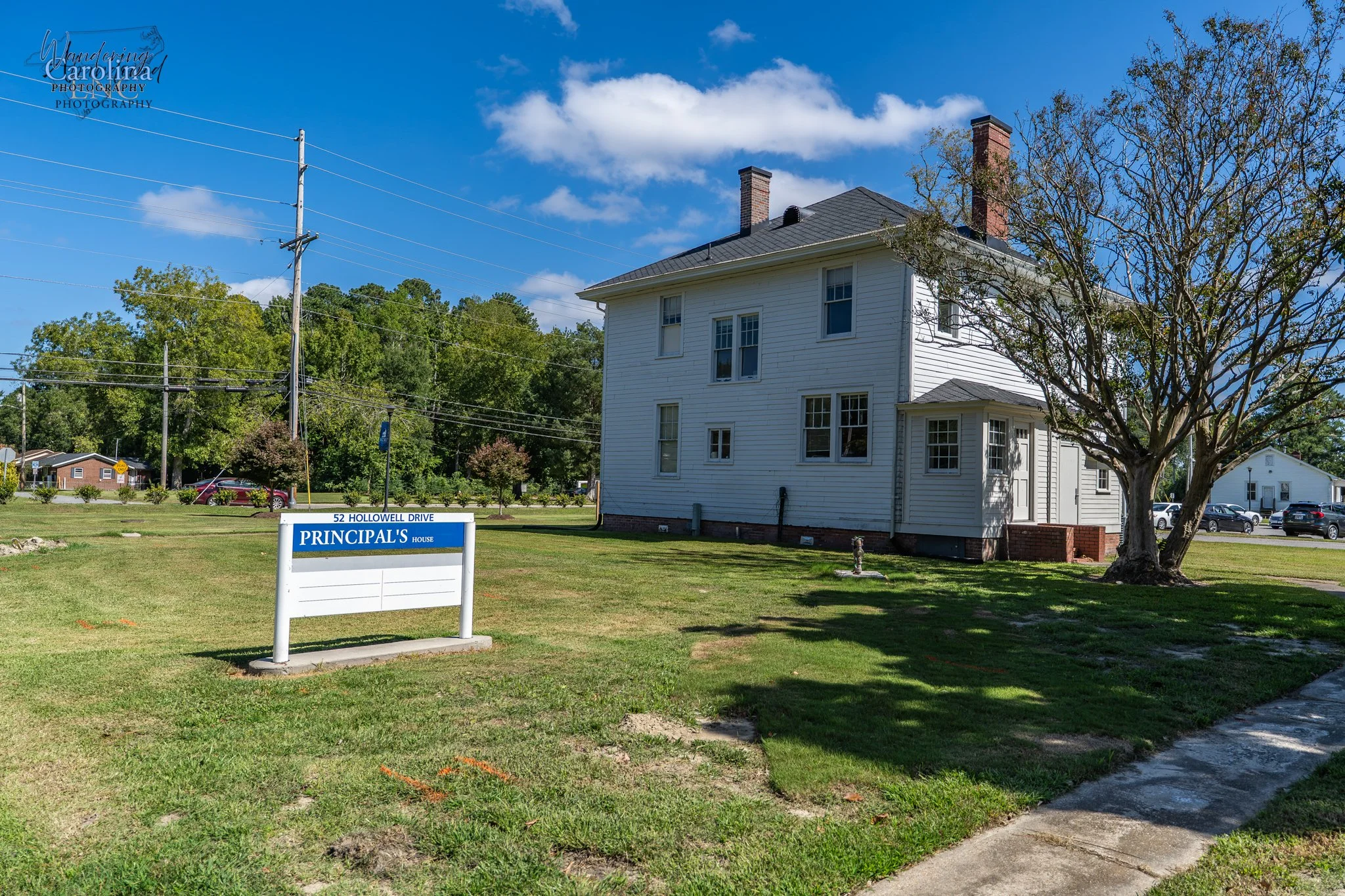
Once complete, the restored buildings are planned to become the future Northeastern North Carolina African American Research and Cultural Heritage Institute. The space will preserve, protect, and interpret the history of African American educational experiences and community history throughout northeastern North Carolina.
Perhaps one of the most remarkable facts about the building is that ECSU is believed to have the only intact Rosenwald School building located on a college campus in North Carolina.
The restoration of the Rosenwald Practice School ensures that an important chapter of North Carolina's educational history will be preserved and shared with future generations.
Note: The photographs accompanying this post were taken during my visit last year while restoration efforts were ongoing.
Sources
Elizabeth City State University – Historic African American Landmark Gets More Restoration
Elizabeth City State University – National Park Service Preservation Grant Announcement
National Trust for Historic Preservation – Rosenwald Schools History
Elizabeth City State Teachers College Historic District documentation
Rosenwald School historical background and program information
