
Ayr Mount: A Federal-Era Landmark in Hillsborough, North Carolina
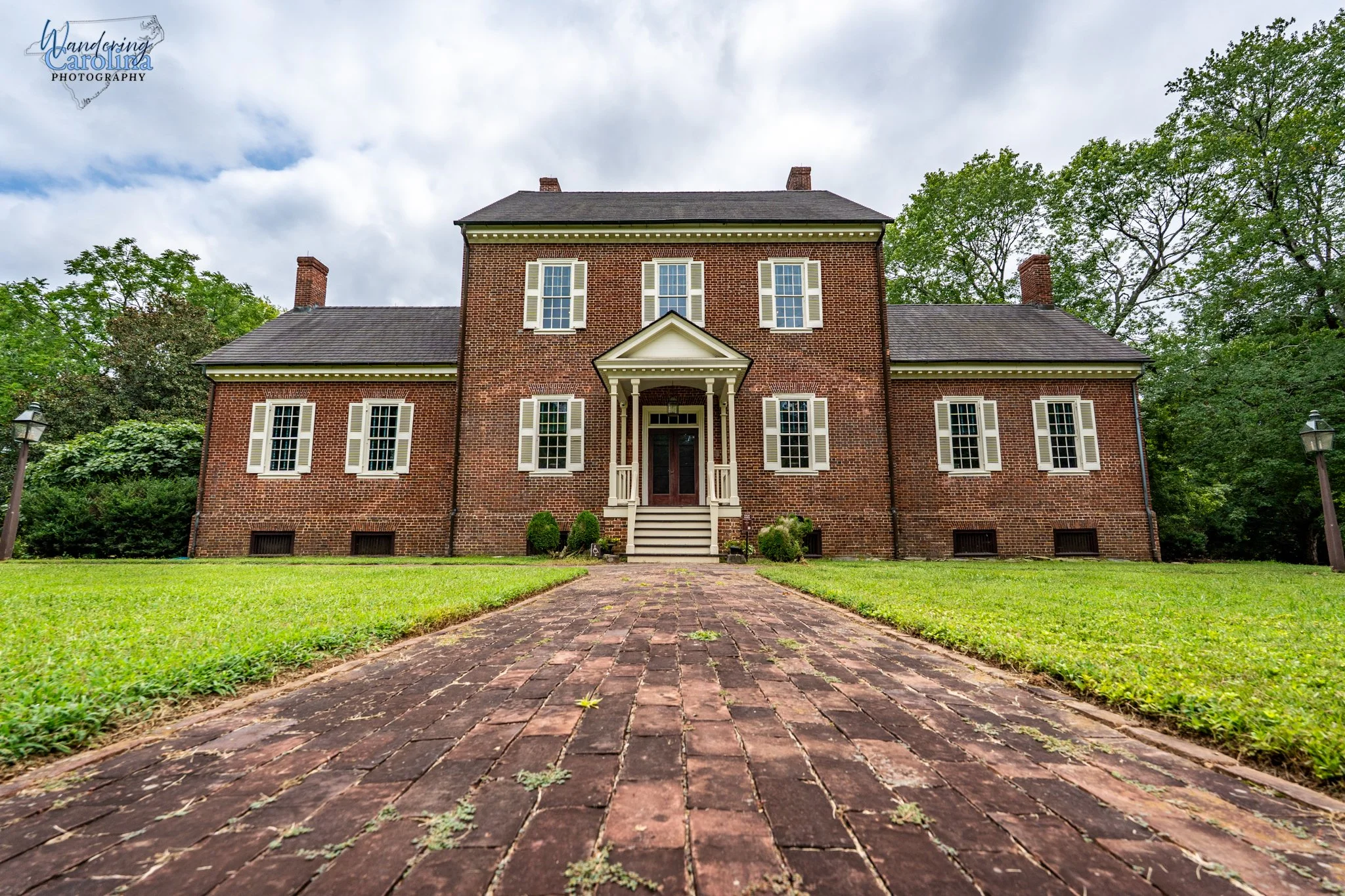
Just outside historic Hillsborough sits one of Orange County’s most impressive early homes. Ayr Mount, a stately brick house completed in 1815, has survived for more than two centuries and remains remarkably well preserved today. I stopped by Ayr Mount while exploring the Hillsborough area. Unfortunately, I arrived too late to take one of the guided tours of the house, but I was still able to spend some time photographing the exterior and walking around the property. Even from the outside, there is plenty to appreciate about this beautiful old home.
The History and Architecture of Ayr Mount
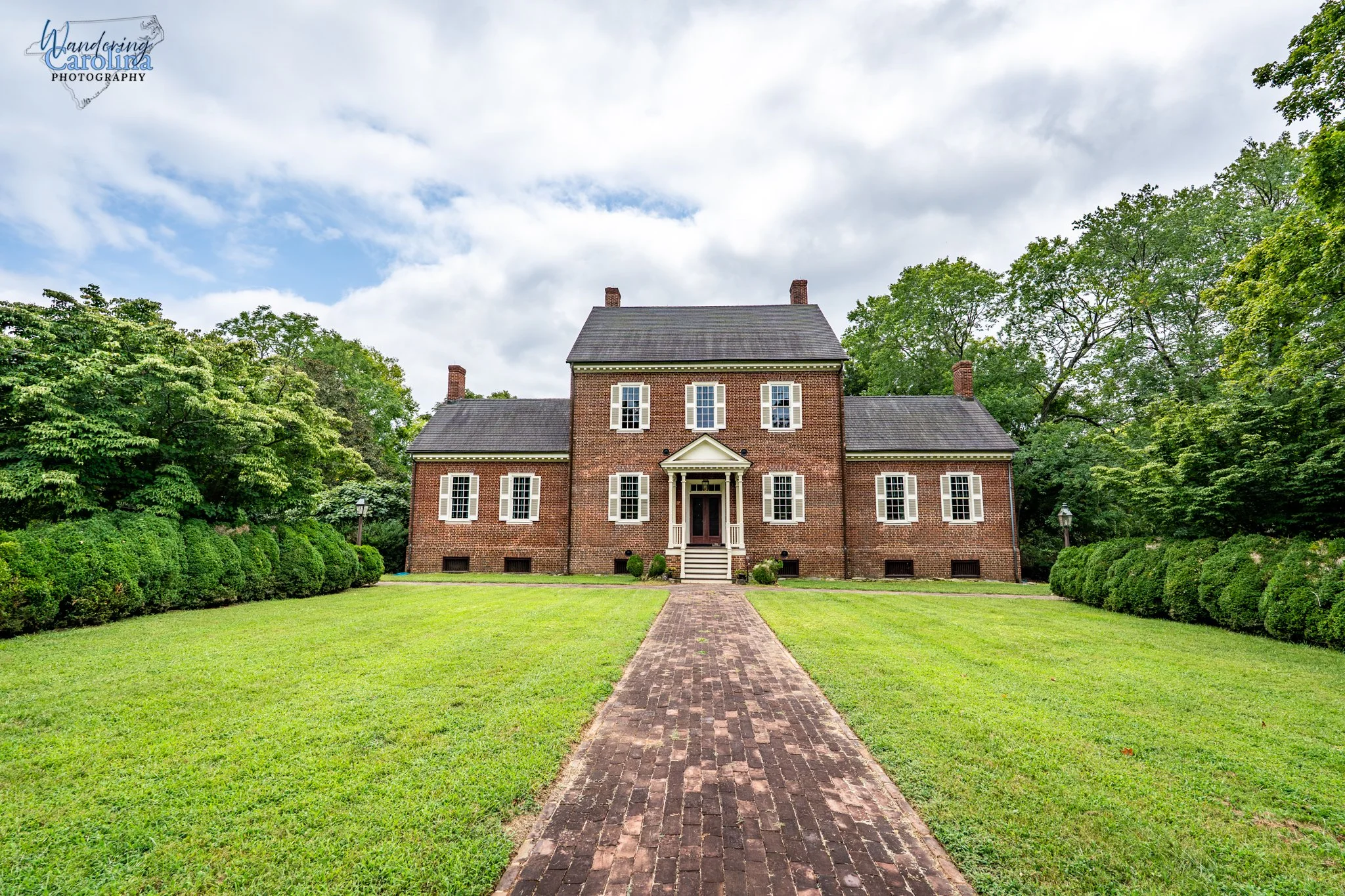
Ayr Mount was built for William Kirkland, a Scottish-born merchant and planter who came to North Carolina in the late 18th century. He named his estate Ayr Mount after Ayr, Scotland, the area from which he came.
Completed around 1815, the house was an impressive undertaking for the Hillsborough area, particularly because of its extensive use of brick. We even know the names of some of the craftsmen responsible for its construction. William Collier served as the brickmason,John Joyner Briggs of Raleigh worked as the carpenter, and some of the home's elaborate interior woodwork has been attributed to joiner Elhannon Nutt.
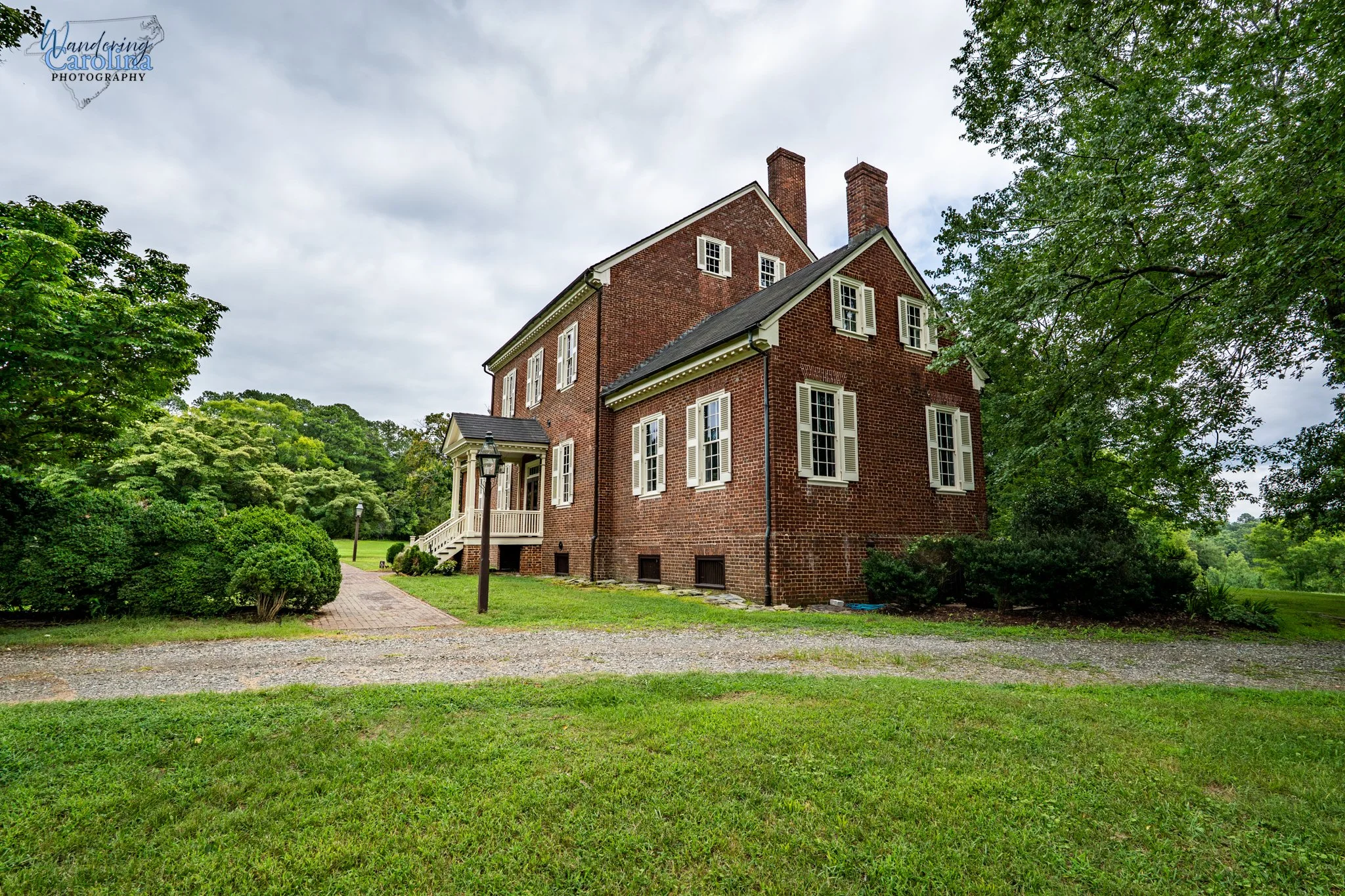
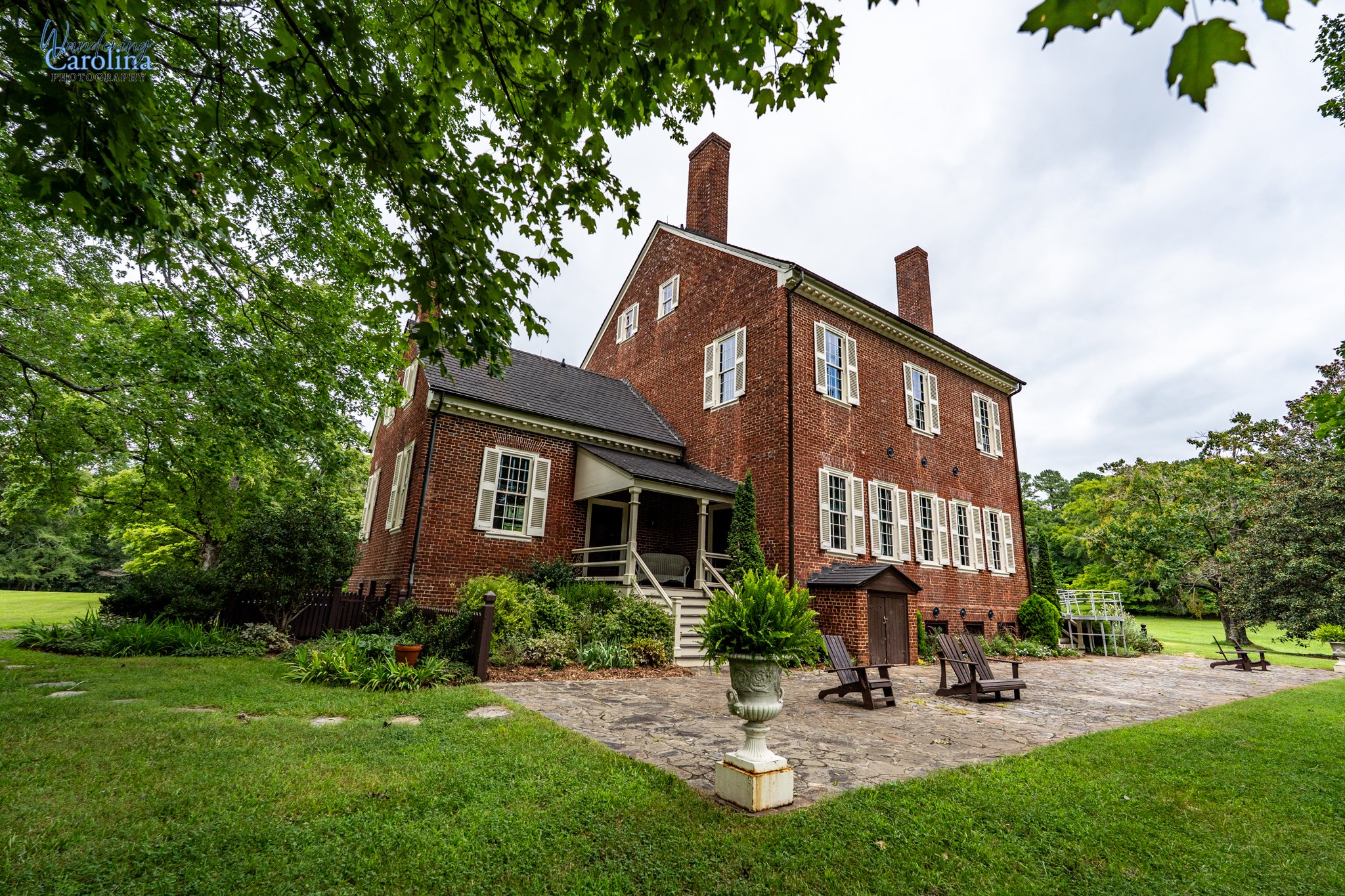
Ayr Mount is an excellent example of Federal-era architecture. Its distinctive design features a tall, two-story central section flanked by matching one-story wings, creating the wonderfully symmetrical appearance seen from the long brick walkway. Exterior details include carefully laid brickwork, stone lintels above the windows and a decorative cornice beneath the roofline.
Inside, the house is considerably more elaborate, with ceilings reaching approximately 13½ feet, along with paneled woodwork, decorative moldings, carved mantels and other surviving early details.
The entrance has changed over the years. A larger porch was added during the 19th century but was later removed. The smaller classical portico seen today was constructed to more closely reflect the home's earlier appearance.
Ayr Mount Was Also a Plantation
As beautiful as the architecture is, the complete history of Ayr Mount also requires acknowledging the people whose labor supported the Kirkland household and plantation.
Ayr Mount was a working plantation, and enslaved African Americans lived and worked on the property during the Kirkland family's ownership.
The property once included slave quarters, barns and other agricultural buildings, while the plantation produced crops including wheat and cotton. Although many of those structures are gone today, they were an important part of Ayr Mount's history and the larger plantation landscape.
Generations of the Kirkland Family
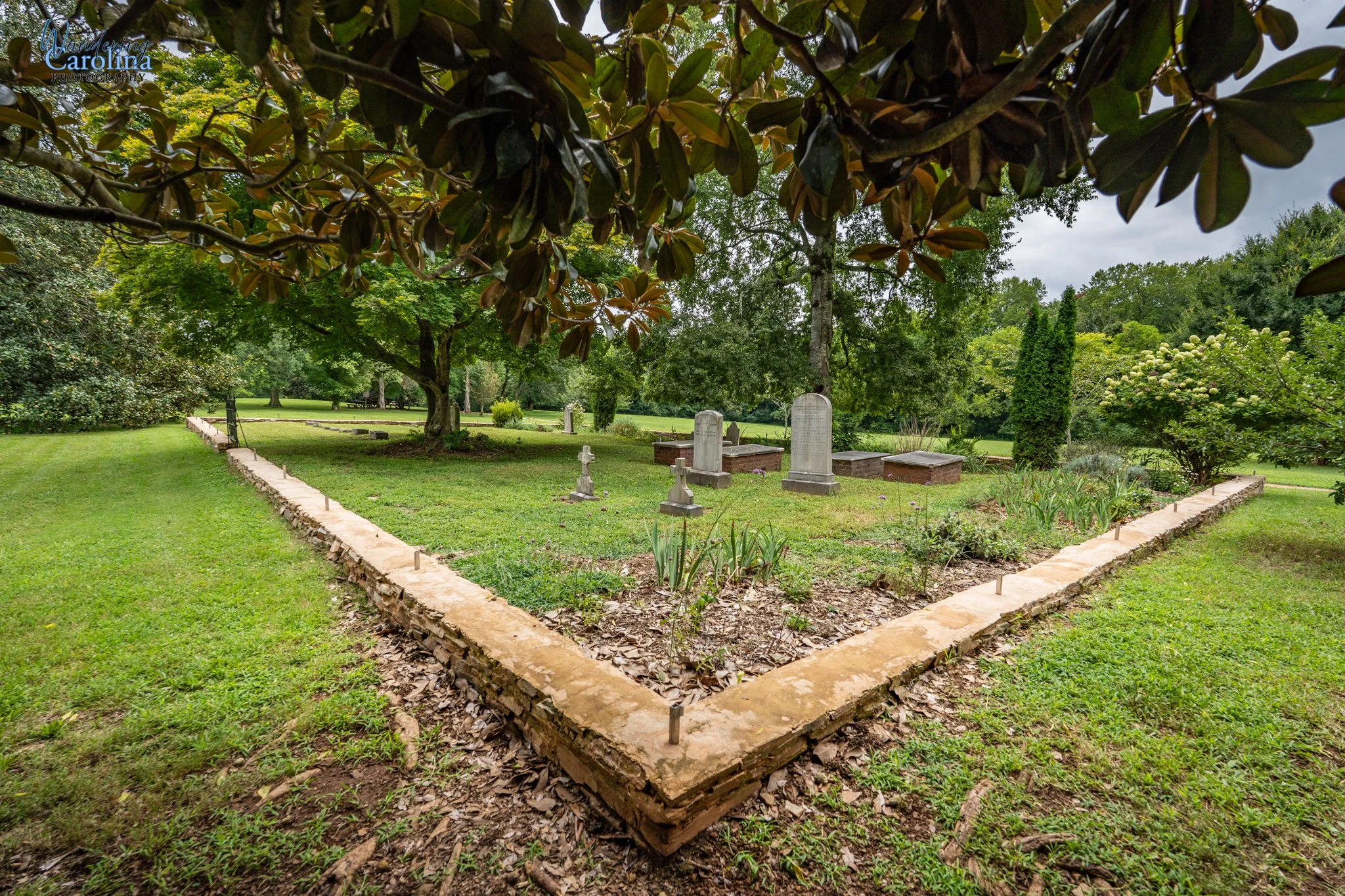
Another remarkable part of Ayr Mount's story is how long it remained connected to the family that built it.
Four generations of the Kirkland family lived at Ayr Mount, allowing the house to avoid many of the dramatic alterations or periods of neglect that affected other early homes.
When the Historic American Buildings Survey documented Ayr Mount in 1964, Kirkland descendants were still occupying the property. Surveyors documented the house in considerable detail, including its floor plan, construction and surviving architectural features.
Ayr Mount was added to the National Register of Historic Places in 1971.
The family's association with the property eventually ended, and preservation efforts ensured that the house and surrounding landscape would survive for future generations.
Visiting Ayr Mount Today
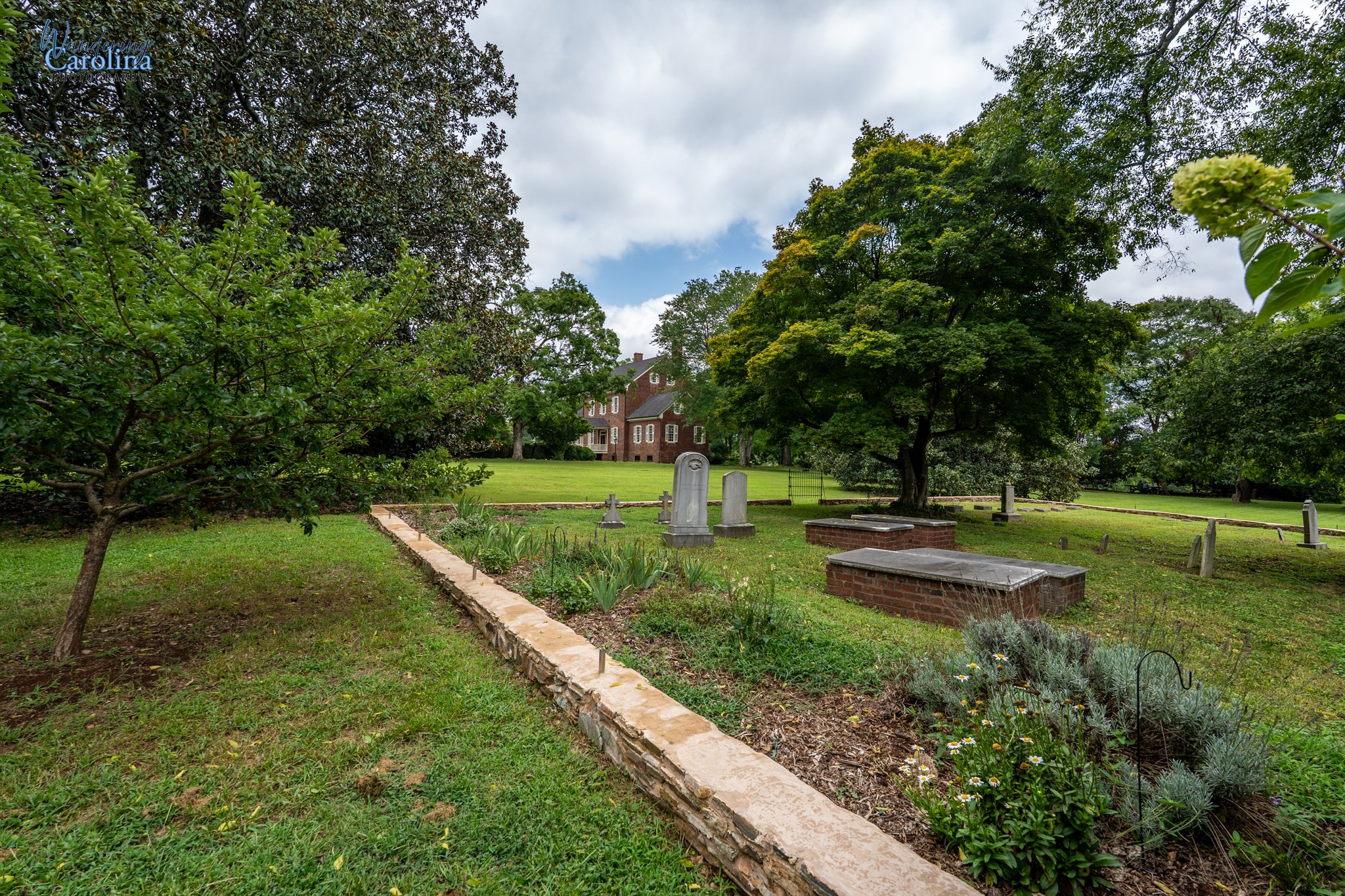
Today, Ayr Mount is preserved by Classical American Homes Preservation Trust and is open to the public.
Visitors can explore the grounds and the property's Poet's Walk, a scenic trail through the surrounding landscape. The historic house itself is also open for guided tours on scheduled days and times.
Unfortunately, I didn't get to Ayr Mount early enough to take a tour during my visit. After learning more about just how much original material survives inside, I definitely wouldn't mind making another trip.
Even without getting inside, however, Ayr Mount was worth visiting.
More than 200 years after William Kirkland had Ayr Mount constructed, the house remains one of the finest surviving examples of its period in North Carolina and an important place for understanding both the architecture and the complicated plantation history of the early 19th-century Piedmont.
