
Mill Neck Rosenwald School in Como, NC: History and Community Legacy
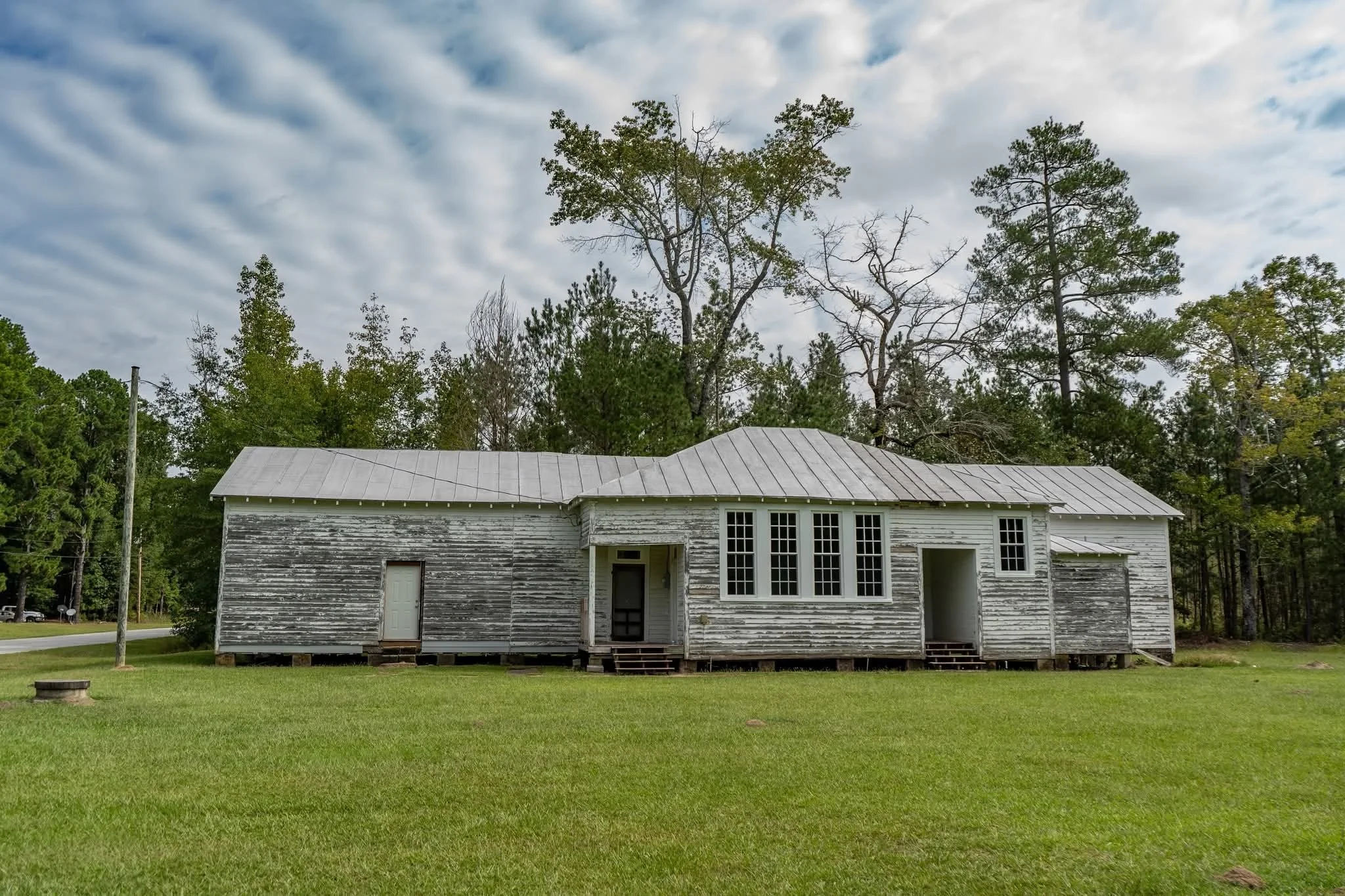
Photo taken by Wandering Carolina in September of 2023.
The history of the Mill Neck Rosenwald School reaches far beyond the walls of a single rural school building. Near Como in Hertford County, the school stands as a reminder of the educational opportunities that African American communities worked to establish and sustain during a time of segregation and limited resources. Though modest in appearance, Mill Neck represents an important chapter in both local history and the broader Rosenwald School movement across the South.
Long before the Rosenwald School was built, education had already taken root within the Mill Neck community. Following the Civil War, formerly enslaved individuals and local African American families established educational opportunities for their children. In 1866, land was deeded for both a church and a school at Mill Neck, creating a center for worship and learning that would serve the community for decades.
By 1868, records indicate that African American children were already being taught there. Like many early rural schools, the original building was simple, but it provided an important educational foundation for the surrounding community.
As the years passed, the original school became increasingly inadequate. By the 1920s, a growing student population and aging facilities created the need for a larger and more modern school. That need eventually connected Mill Neck with one of the most influential educational programs in American history: the Rosenwald School movement.
Created through a partnership between educator Booker T. Washington and businessman Julius Rosenwald, the program helped fund schools for African American children across the segregated South. Rather than simply providing money, the Rosenwald program relied on local support, with communities often contributing labor, land, materials, and fundraising efforts to help build their schools.
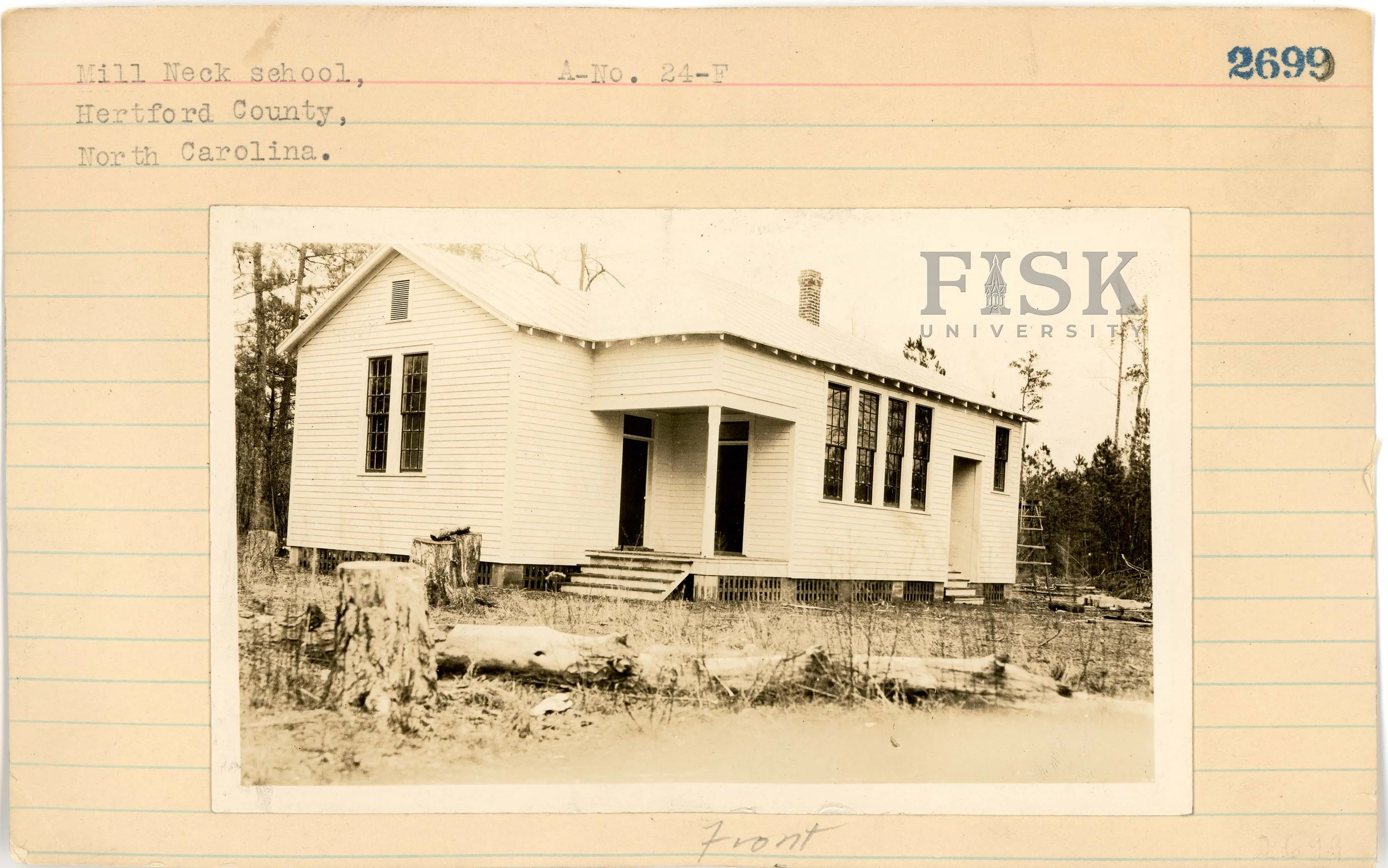
Photo courtesy of the Rosenwald Fund Collection, John Hope and Aurelia E. Franklin Library, Fisk University. Mill Neck School, Hertford County, North Carolina (Item No. 2699).
Construction of Mill Neck School began in late 1926 and was completed in 1927. The school followed Rosenwald's standardized "two-teacher" design plans, which emphasized practical layouts and large windows intended to maximize natural light. Electricity was not always available in rural schools, so natural lighting was considered essential.
Mill Neck served African American children from the communities of Mill Neck, Como, and Riddicksville. Students attended grades one through seven there before older students traveled elsewhere for additional schooling.
Life at the school reflected the realities of rural eastern North Carolina during the early twentieth century. Agriculture played a major role in the local economy, and many families relied on farming for survival. Former students later recalled that school schedules sometimes adjusted around planting and harvest seasons because children were often needed to help their families.
Despite limited resources and crowded conditions, reports from the era suggested that students and teachers at Mill Neck were accomplishing meaningful work. Educators remembered dedicated teachers who influenced generations of children and encouraged students to pursue opportunities beyond the fields and rivers that shaped daily life.
Mill Neck School remained in operation until the end of the 1958–1959 school year, when students were transferred to larger consolidated schools. Like many Rosenwald schools after school integration and modernization efforts, the building eventually fell silent.
Fortunately, the story did not end there.
Unlike many Rosenwald schools that disappeared entirely, Mill Neck survived. Ownership eventually transferred to Mill Neck Missionary Baptist Church, and efforts began to stabilize and preserve the historic structure. Today, the building stands not only as a rare surviving Rosenwald school but also as a physical reminder of the generations who understood that education could change lives.
Places like Mill Neck are important because they preserve stories that might otherwise fade away. They remind us that schools were once built through community determination, sacrifice, and hope for a better future.
Sometimes the smallest buildings carry the largest stories.
Sources
National Register of Historic Places Nomination: Mill Neck Rosenwald School (HF0680), North Carolina State Historic Preservation Office.
https://files.nc.gov/ncdcr/nr/HF0680.pdfNorth Carolina Department of Natural and Cultural Resources — Rosenwald Schools Survey and Historical Documentation.
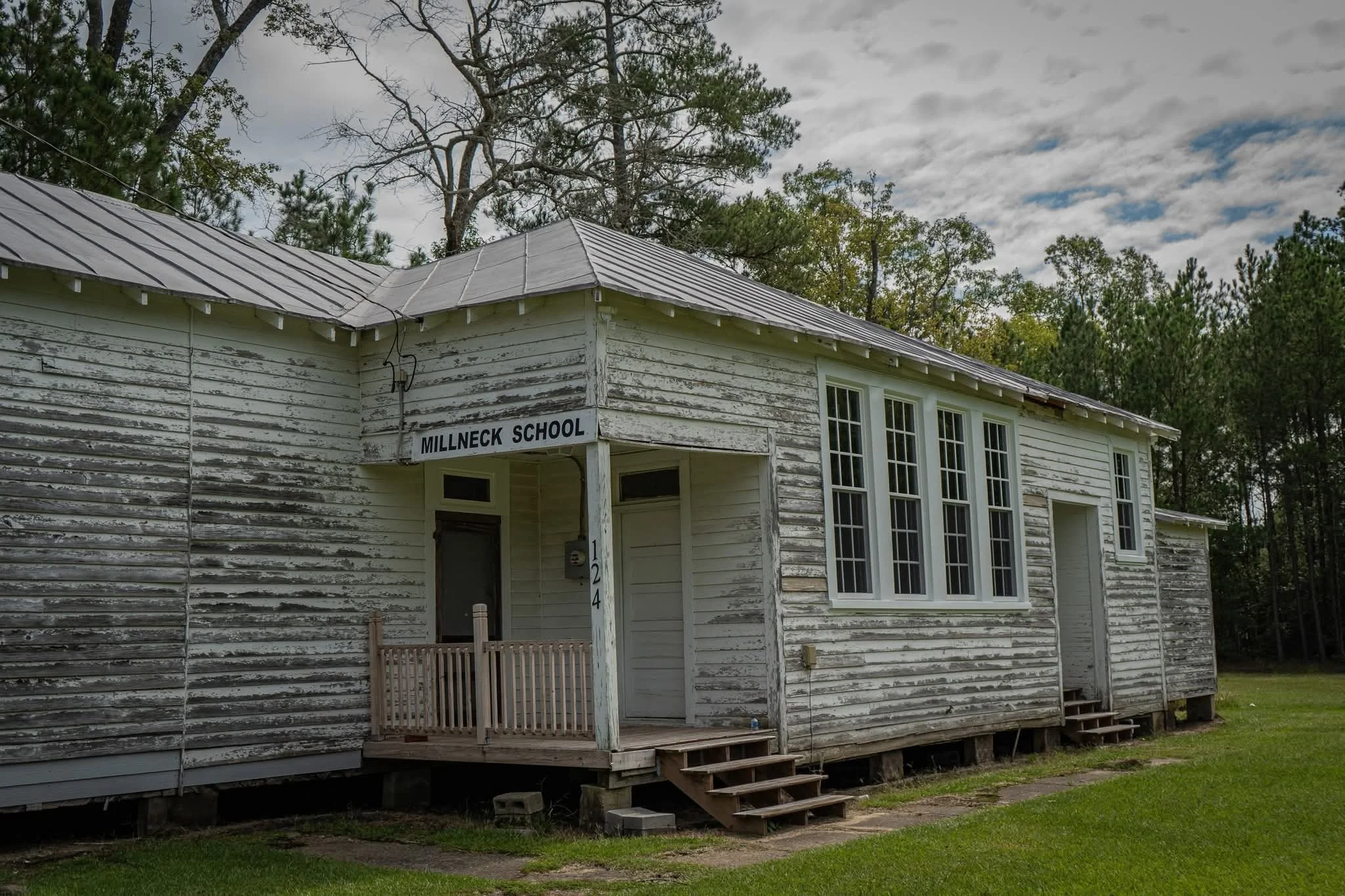
September 2023, Wandering Carolina
