
Morgan School: A Lasting Legacy of Education in Nash County
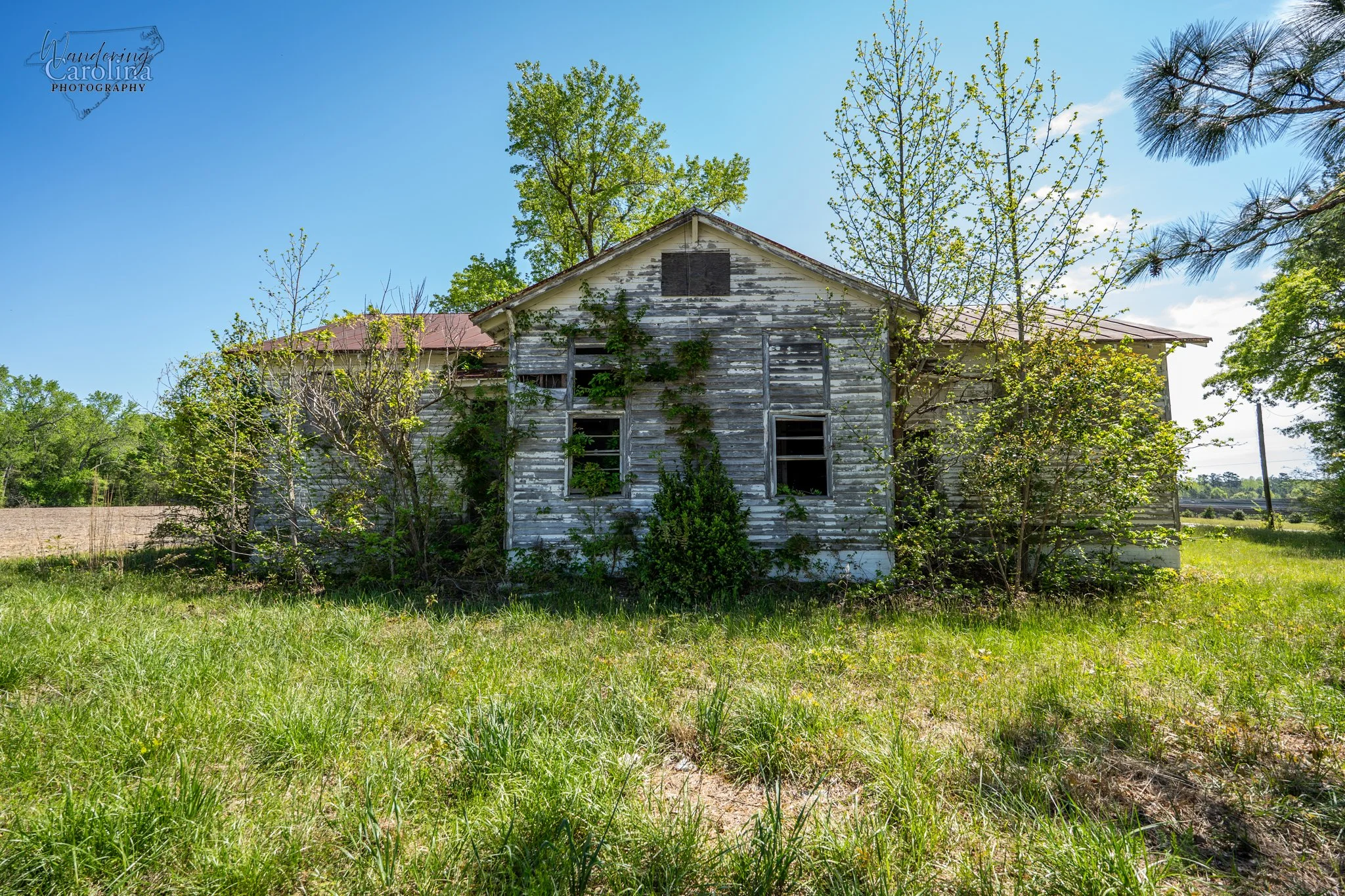
Photo taken April 2026, Wandering Carolina
Morgan School, located near Bailey in southwestern Nash County, North Carolina, was constructed between 1925 and 1926 as a two-teacher Rosenwald School serving African American students. The school remained in use until the mid-1950s, operating for roughly thirty years before closing during a period of school consolidation. Today, the building continues to stand as a testament to the community effort and educational vision that made the Rosenwald School movement possible.
Morgan School was part of the larger Rosenwald School program, one of the most significant educational building efforts in the American South. The program grew from a partnership between educator Booker T. Washington and philanthropist Julius Rosenwald, president of Sears, Roebuck and Company. Rosenwald provided funding grants that worked alongside contributions from local communities and county school systems to construct schools across the rural South.
North Carolina played a particularly important role in the Rosenwald movement. Between 1913 and 1932, approximately 813 Rosenwald schools, teacher homes, and related buildings were constructed across the state, more than any other state participating in the program. These schools became a major part of educational development throughout North Carolina, especially in rural communities.
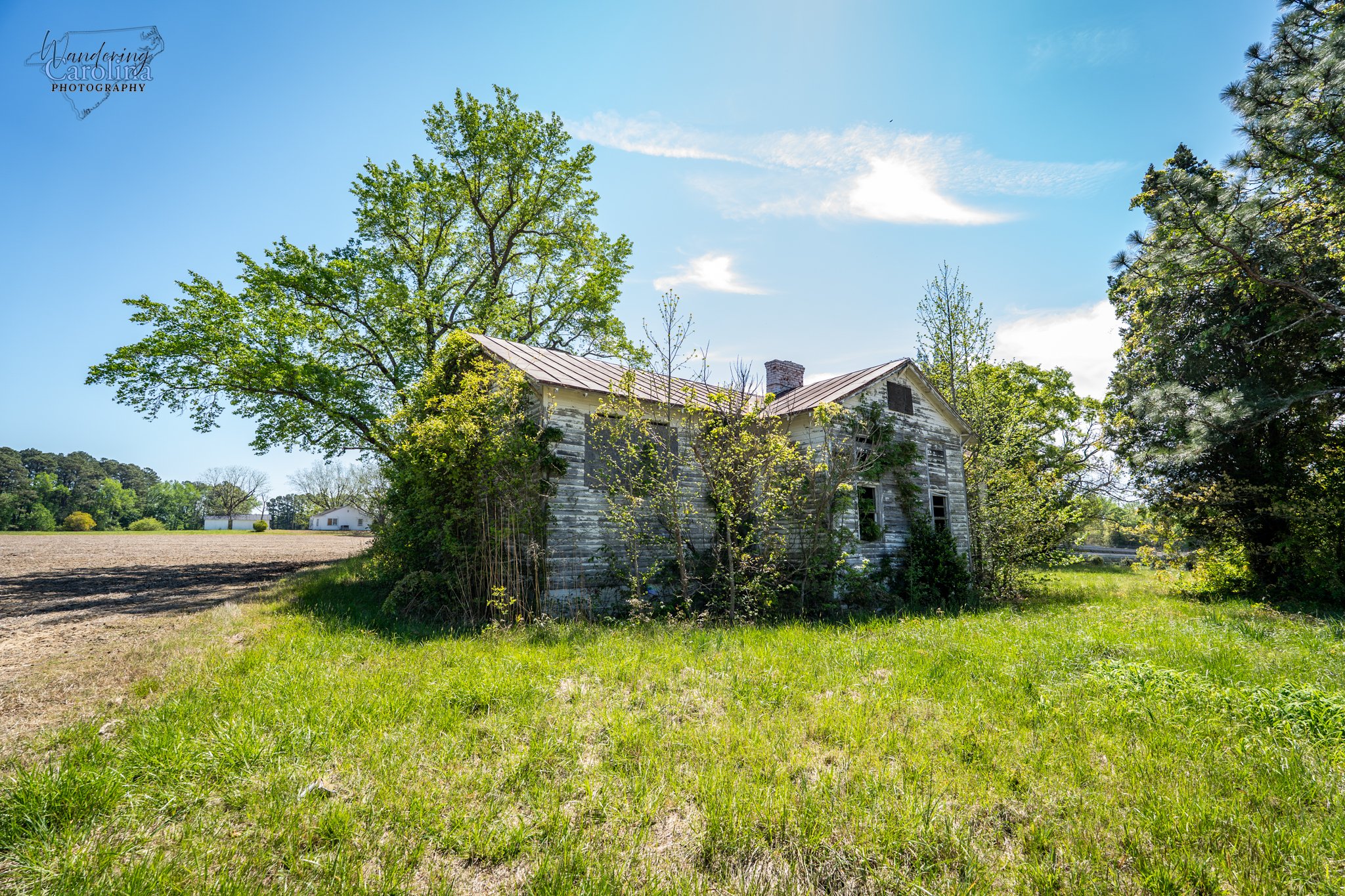
Courtesy of Wandering Carolina, April 2026
Morgan School was one of seventeen Rosenwald schools built in Nash County and the twelfth completed there. Like many Rosenwald schools across the South, it followed a standardized design developed by the Rosenwald Foundation to create practical, affordable school buildings that emphasized lighting, ventilation, and functionality.
The building closely followed the Foundation’s “Floor Plan No. 20,” a two-teacher design created to provide the best possible learning environment using simple construction methods and limited resources. Because the school originally operated without electricity, natural light played a major role in its design. Windows were positioned high enough to reduce glare at students’ eye level while extending close to the ceiling so sunlight could reach deeper into the classrooms. During warmer months, windows and doors could also be opened to improve airflow throughout the building. These thoughtful design features reflected the Rosenwald program’s broader mission of creating brighter, healthier learning spaces long before modern school design standards became common.
Inside, the school contained two classrooms serving grades one through seven, with younger students in one room and older students in the other. An additional Industrial Room was intended for vocational instruction, though it was often used as a kitchen and lunchroom. Electricity was eventually added around 1937, while wood-burning pot-bellied stoves continued heating the classrooms during the winter months.
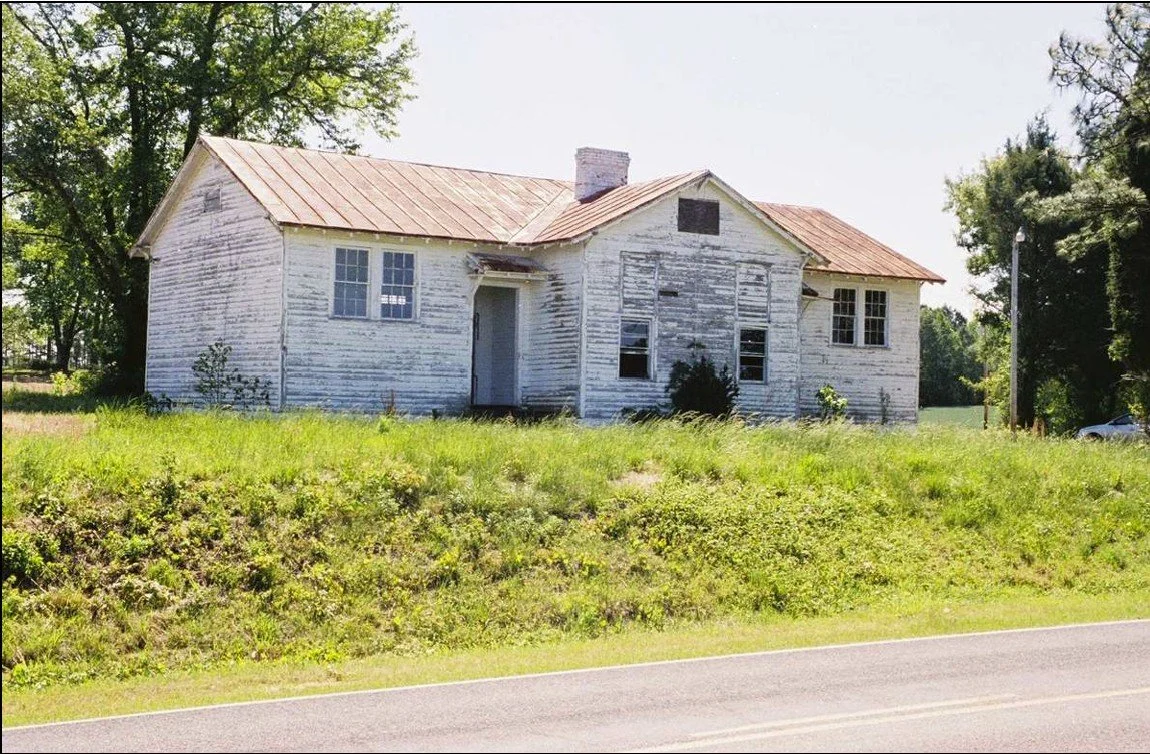
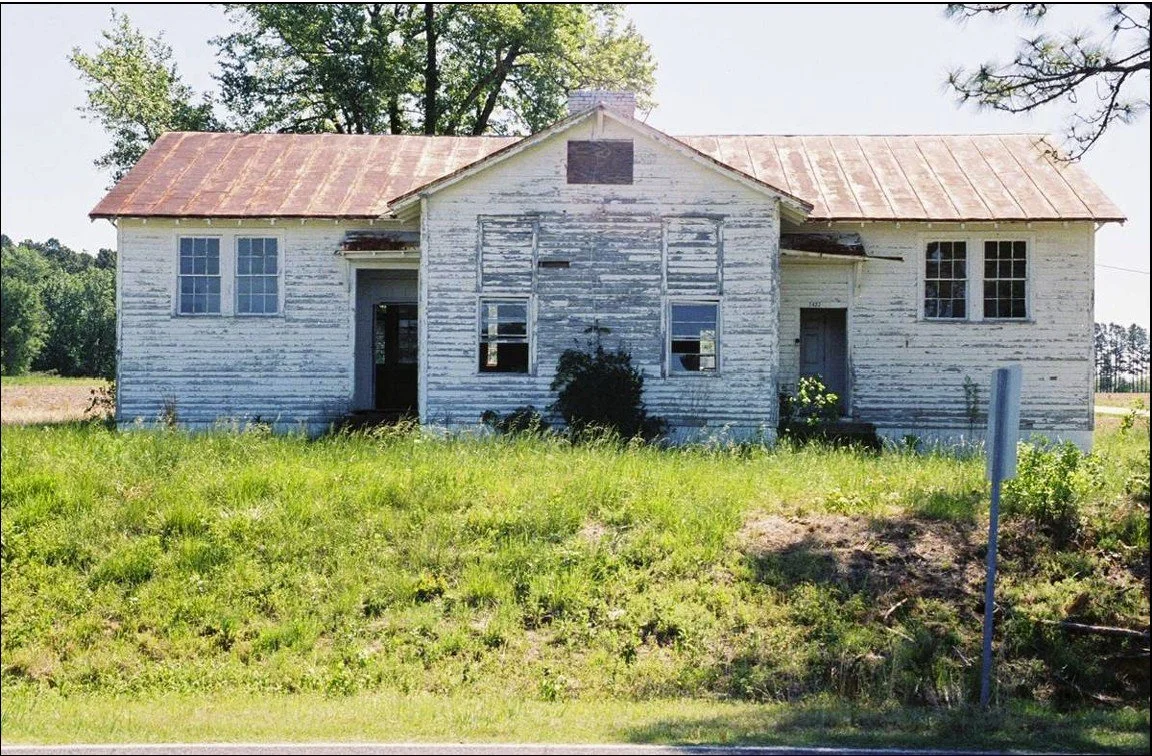
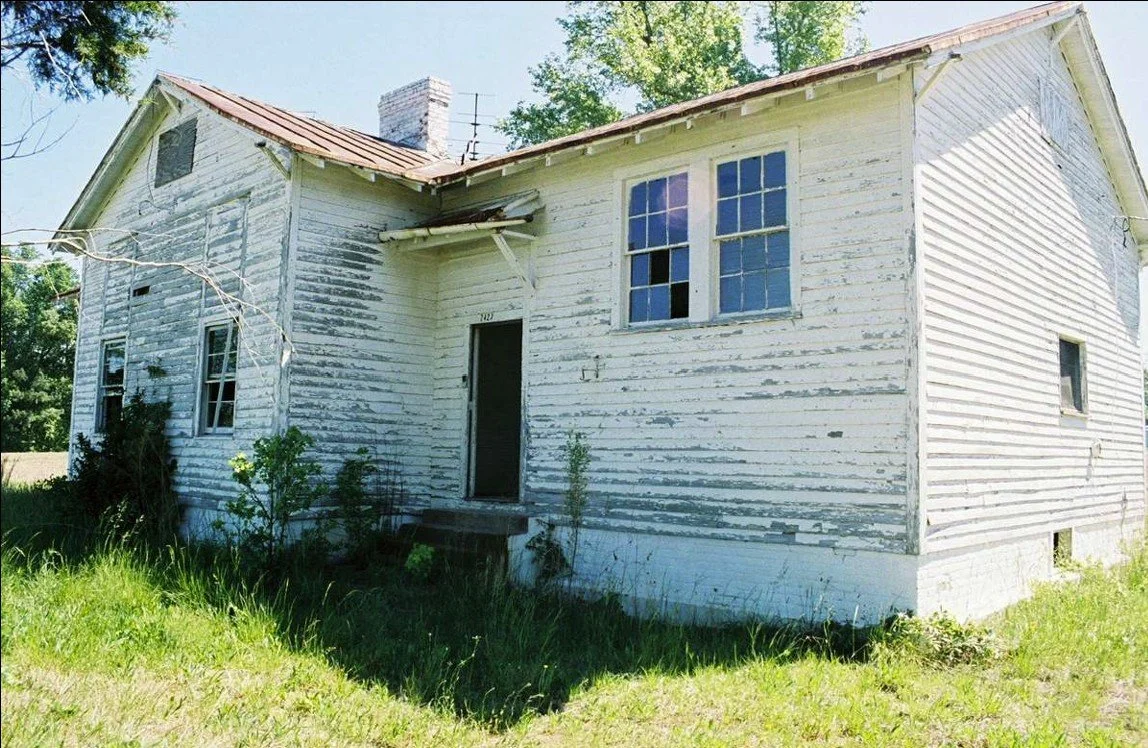
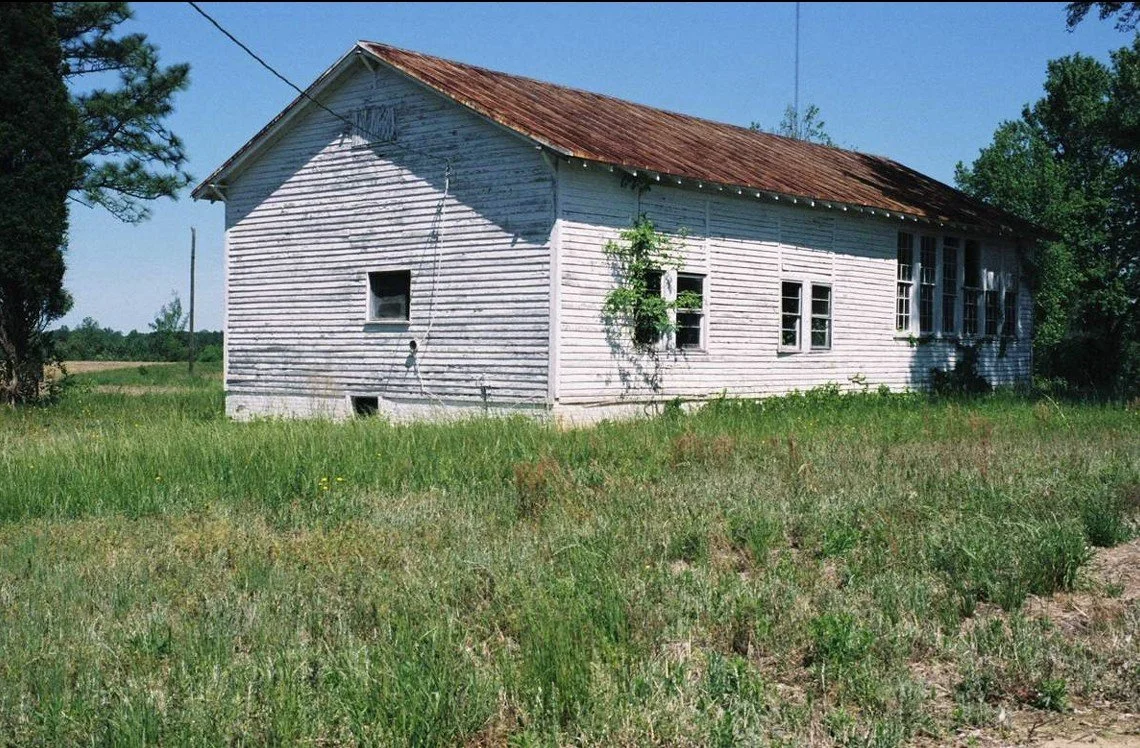
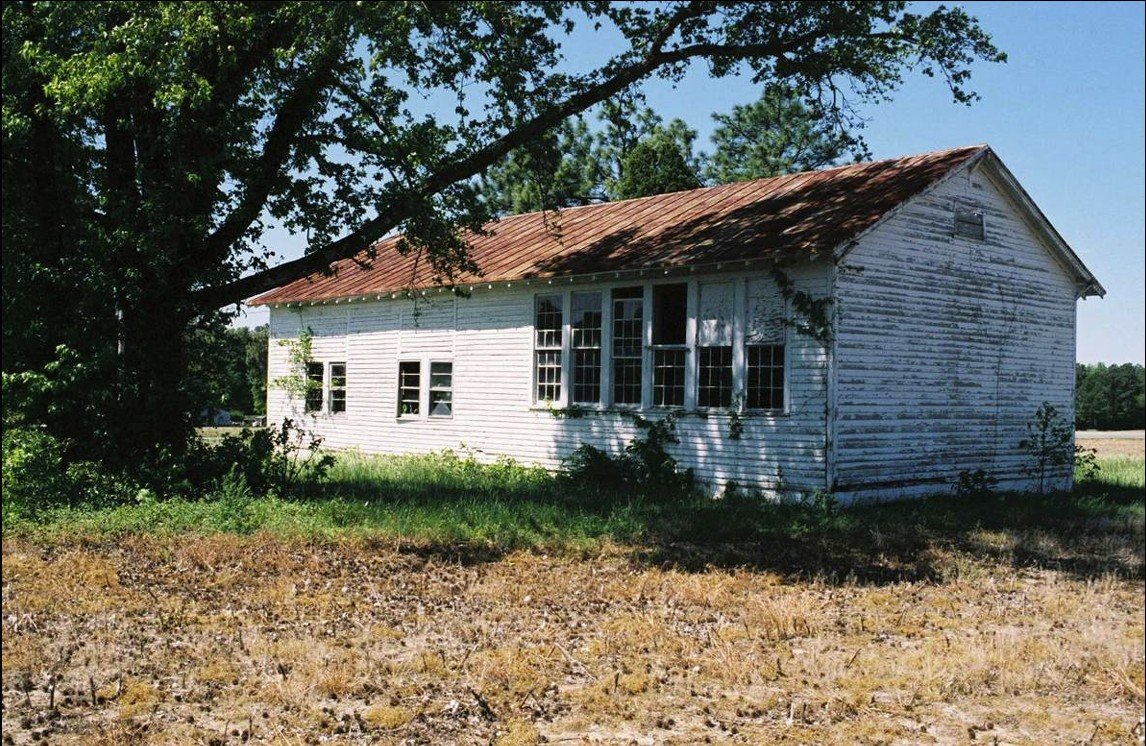
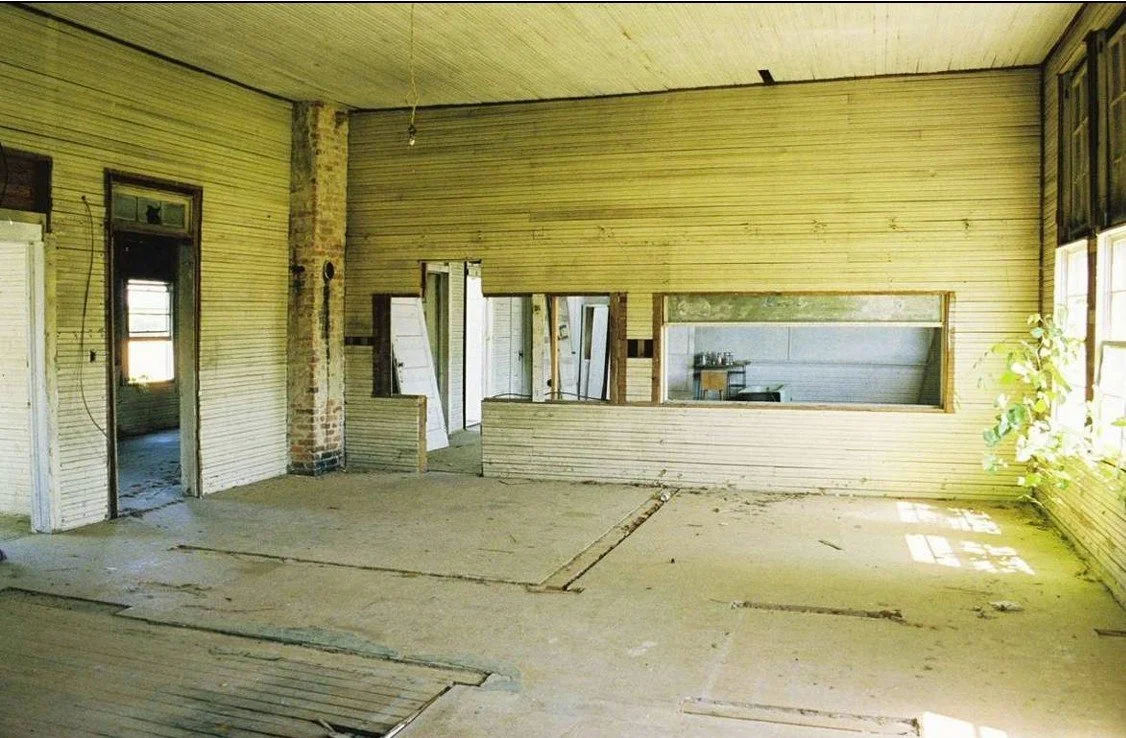
Historic Morgan School documentation photos courtesy of the North Carolina Rosenwald School survey, 2007.
In addition to their academic studies, students at Morgan School participated in agricultural and vocational activities, including 4-H programs. Boys studied subjects such as livestock, poultry, farming practices, and horticulture, while girls often learned home economics skills.
Beyond its educational purpose, the school also served as a gathering place for the surrounding area. PTA meetings, church musical programs, holiday celebrations, and other local events were held within the building, making it an important space for community life. One interesting feature of the school was its movable blackboards between the two classrooms. The blackboards could be raised to open the rooms into a larger meeting area, allowing gatherings and events to take place with a stage located in the south classroom, according to former students.
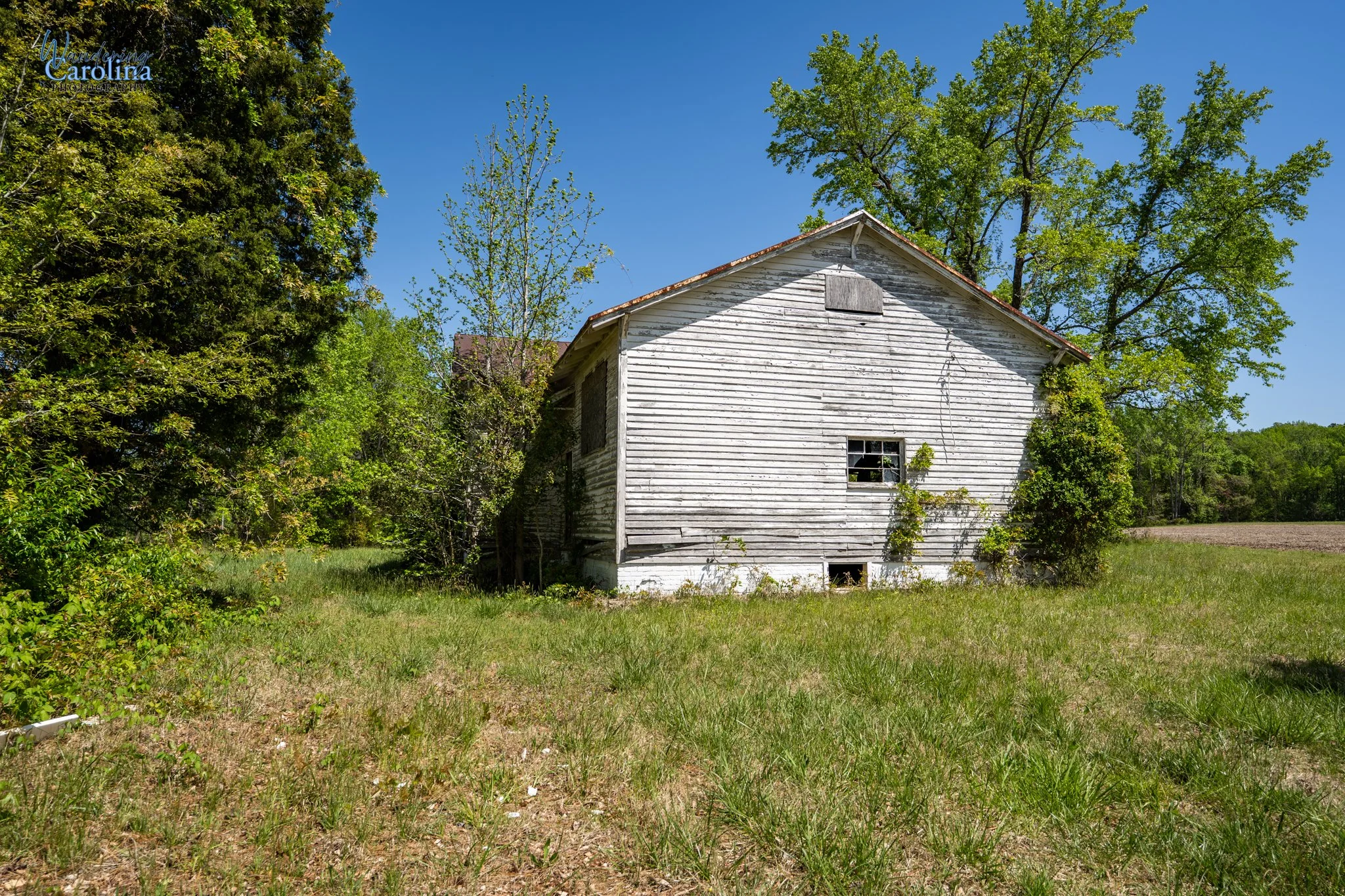
April 2026, Wandering Carolina
When school consolidation efforts began across the region and the school closed, the property was later sold and eventually converted into a private residence.
Today, Morgan School still stands near Bailey as a surviving example of the Rosenwald School movement, though time has clearly left its mark on the structure. While the school was once considered one of the better-preserved Rosenwald schools remaining in Nash County during its National Register documentation (circa 2007), years of exposure and neglect have resulted in visible deterioration. Even so, the building remains an important reminder of a significant chapter in North Carolina's educational history and the lasting impact of the Rosenwald School program.
Sources:
National Register of Historic Places Nomination for Morgan School (2006); North Carolina State Historic Preservation Office.
Brown, Marvin A. Tools for Assessing the Significance and Integrity of North Carolina's Rosenwald Schools and Comprehensive Investigation of Rosenwald Schools in Edgecombe, Halifax, Johnston, Nash, Wayne, and Wilson Counties. Prepared for the North Carolina Department of Transportation and Federal Highway Administration. URS Corporation–North Carolina, December 2007.
