
Liberia School: A Surviving Rosenwald School Near Warrenton, North Carolina
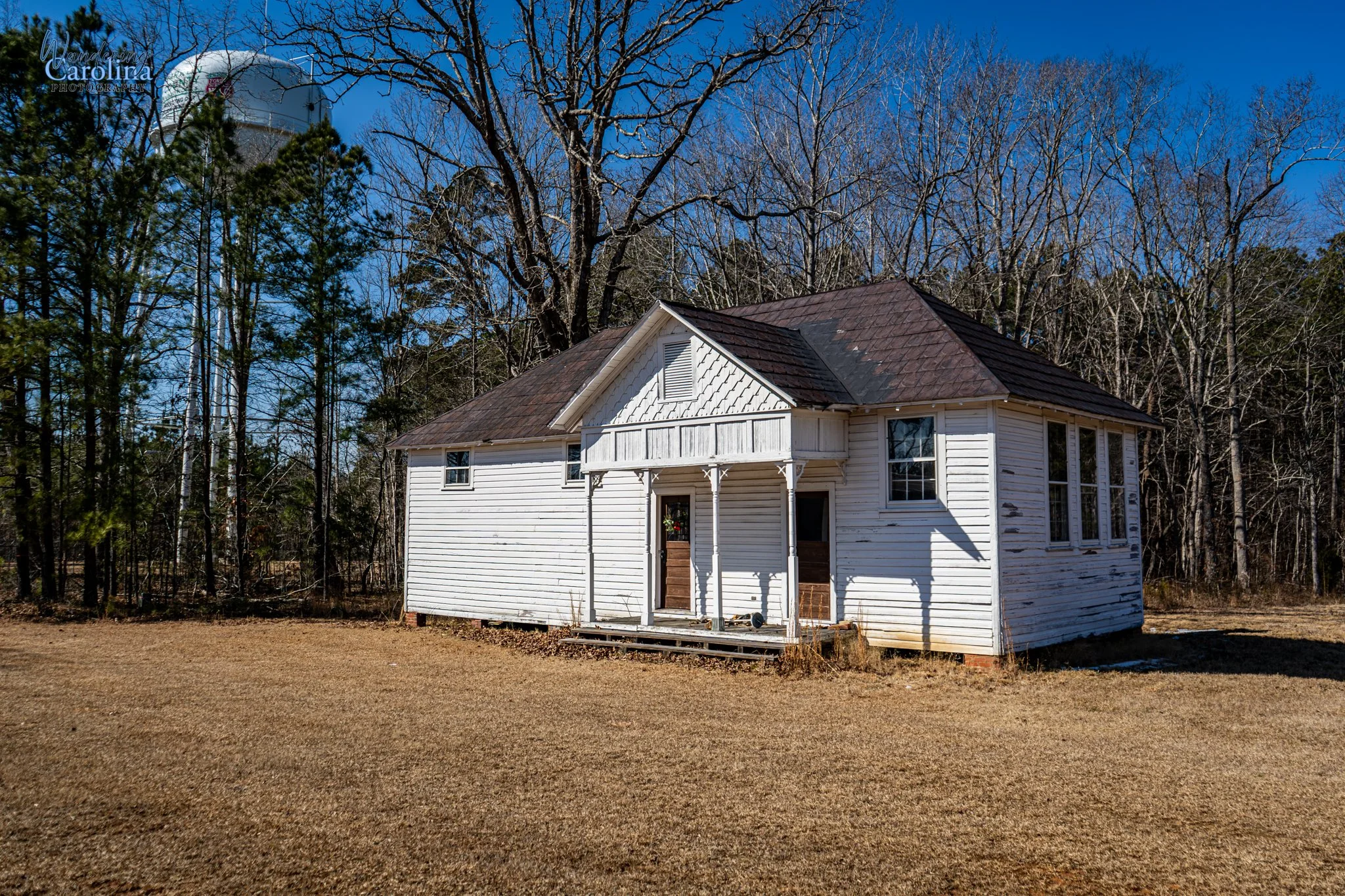
Photo courtesy of Wandering Carolina, February 2026
Located about four and a half miles south of Warrenton in Warren County, Liberia School was constructed between 1921 and 1922 as a Rosenwald School serving African American students. The school remained in operation until the early 1950s before eventually closing during the period of school consolidation that reshaped education across North Carolina. Today, the small building survives as one of the county’s remaining Rosenwald schools and was listed on the National Register of Historic Places in 2005.
Liberia School was part of the larger Rosenwald School program, one of the most important educational building efforts in the South during the early twentieth century. The program grew from a partnership between educator Booker T. Washington and philanthropist Julius Rosenwald, president of Sears, Roebuck and Company. Rosenwald grants worked alongside county funds and local support to construct schools throughout rural communities.
North Carolina played a major role in the Rosenwald movement. Between 1913 and 1932, more Rosenwald buildings were constructed in North Carolina than in any other participating state. These schools became an important part of the state's educational landscape, particularly in rural areas where many school buildings had previously been small, outdated, or overcrowded.
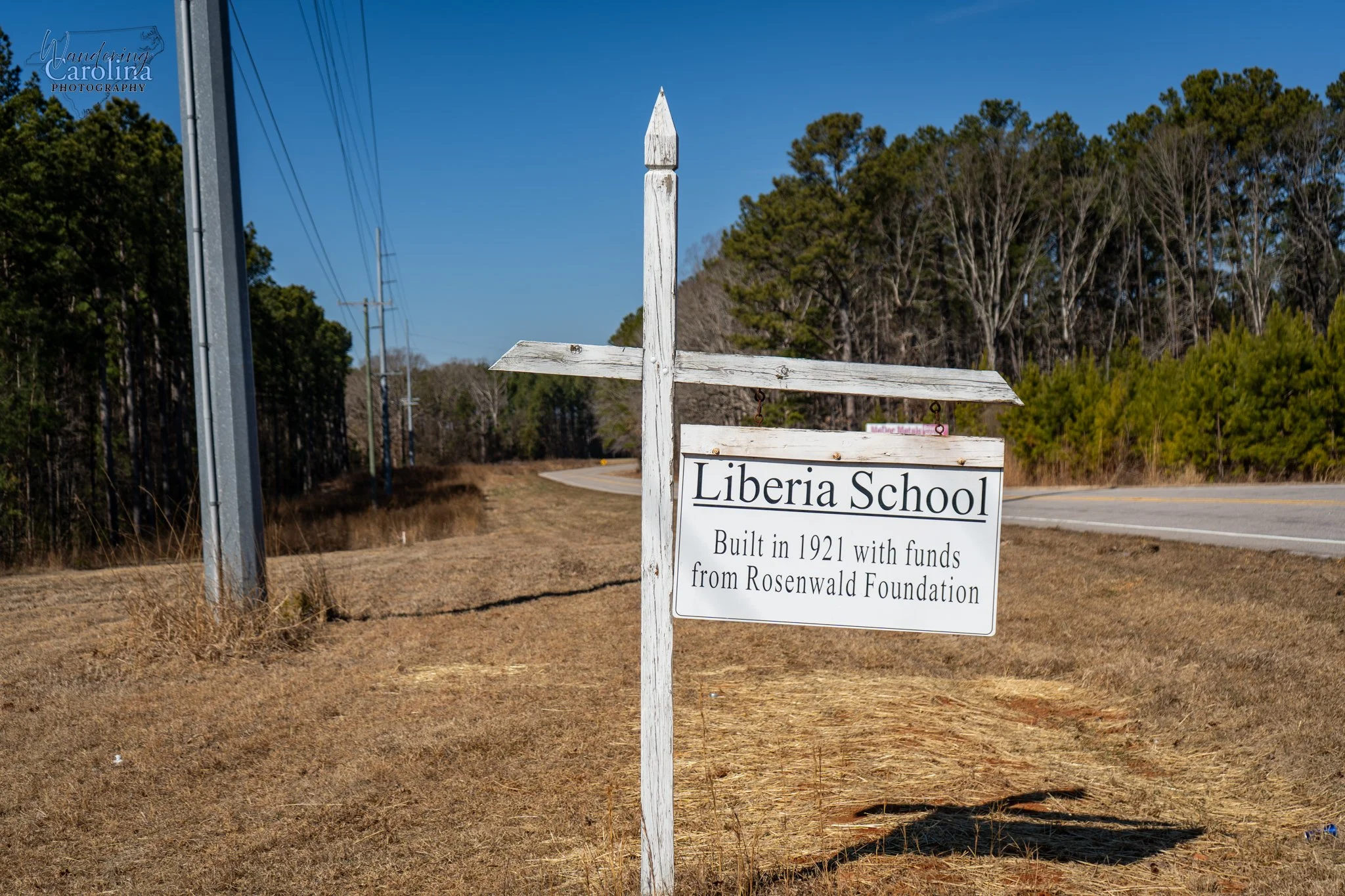
Courtesy of Wandering Carolina, February 2026.
Liberia School was one of twenty-five schools built with Rosenwald funding in Warren County. Unlike larger two-teacher or multi-room schools constructed later in the program, Liberia School was designed as a one-teacher school. The modest frame building measured roughly twenty by thirty-two feet and featured a hipped roof and a small front porch.
Liberia was designed with more purpose than its simple appearance might suggest. Natural light and ventilation were important features of Rosenwald school designs, particularly in rural schools that initially lacked electricity. Large window arrangements allowed sunlight to reach deep into the classroom while also improving airflow during warmer months. These ideas helped create better learning environments for students at a time when many schools lacked modern facilities.
Though smaller than many surviving Rosenwald schools, Liberia School represented an important piece of educational development in Warren County. During the early 1920s, county officials approved the construction of multiple Rosenwald schools, helping expand educational facilities throughout the area. At the same time Liberia School was being constructed for African American students, broader school consolidation efforts were also reshaping educational systems throughout the county.
Today, Liberia School remains as a reminder of a significant chapter in North Carolina history. While many Rosenwald schools have disappeared over time, surviving examples such as Liberia School continue to provide a physical connection to the educational landscape of the early twentieth century.
Sources
National Register of Historic Places. Liberia School, Warren County, North Carolina Nomination Form. North Carolina State Historic Preservation Office.
Additional historical background: Grokipedia, “Liberia School” — https://grokipedia.com/page/liberia_school
